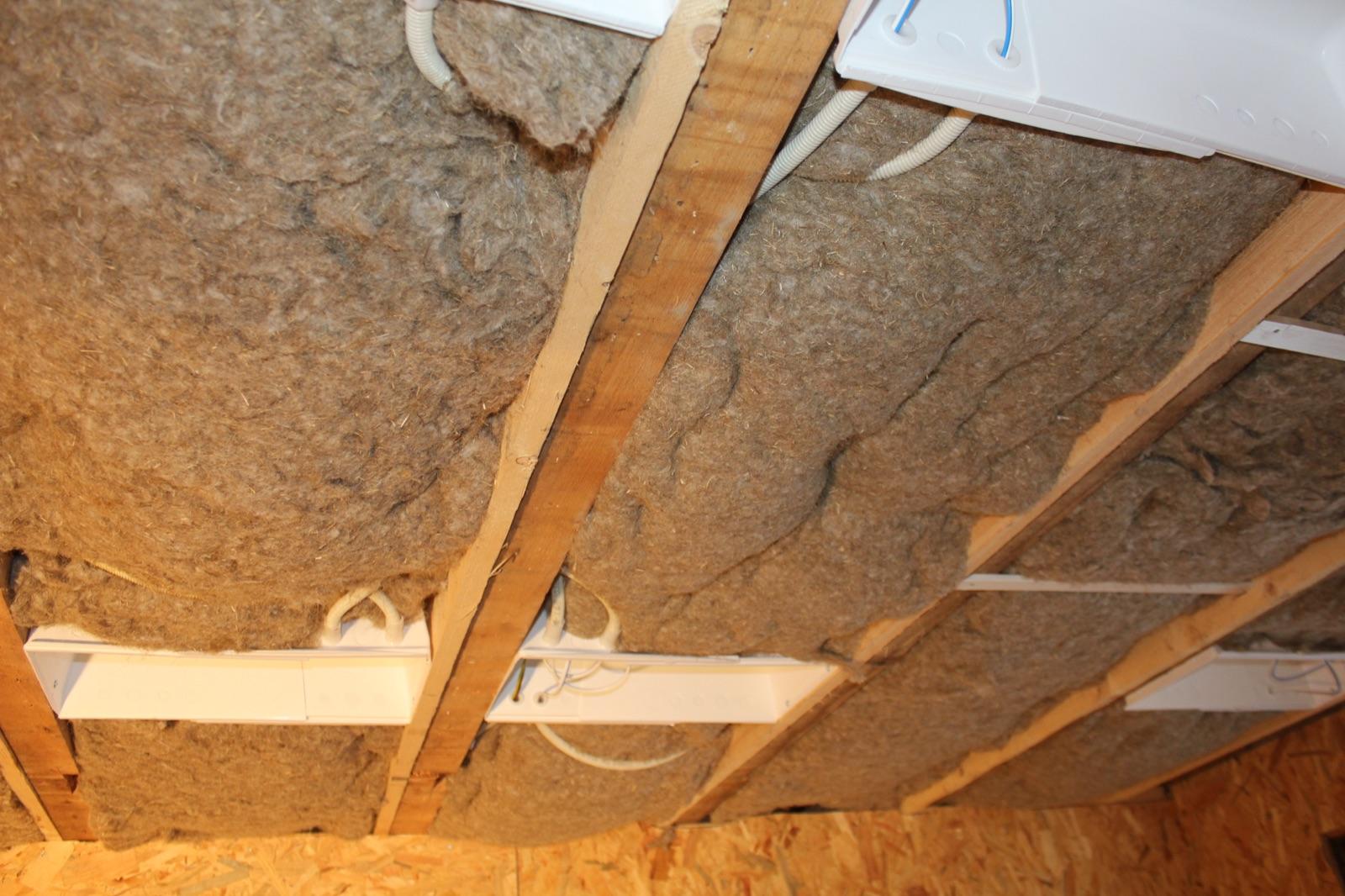
Insulation · Sheep wool insulation
100mm Thermafleece CosyWool Roll (3 x 370mm rolls)
Insulation Merchant (Insulation Supplies Ltd)·Stirling
On request
Request quote
Wood fibre, wool, hemp, cellulose, cork, and recycled options compared, and how to choose for each part of the building
7 min readUpdated November 2026
Save guidePhoto: Øyvind Holmstad · CC0
There is no single best sustainable insulation. The right choice depends on where it goes, how thick the build-up can be, how the wall or roof handles moisture, and what the fire strategy allows. A lower-impact product in the wrong place can cause damp or fail a fire check, which undoes the benefit.
Most lower-impact options fall into two groups. Biobased insulation, such as wood fibre, sheep's wool, hemp, cellulose, cork, and straw, is made from plant or animal fibres, often from co-products of other industries.
Recycled-content insulation, such as recycled polyester (PET) and some glass-based products, reuses waste material. BRE notes that natural fibre products vary a lot, so environmental impact should be judged product by product rather than by material type.
Note. "Sustainable" is not a regulated label. Ask for product-specific evidence, such as an EPD and a declared thermal conductivity, rather than relying on the material name.
Thermal conductivity (lambda, in W/mK) tells you how much heat passes through 1 m of material. Lower is better per millimetre, but a higher value just means a thicker layer for the same U-value. The ranges below are typical declared values from published sources. Use the declared value for the exact product and thickness you are buying.
Wood fibre
Sheep's wool
Hemp fibre
Cellulose
Expanded cork
Recycled polyester (PET)
Straw bales
Cellular glass (recycled glass)
Mineral wool (baseline)
PIR (baseline)
Typical declared thermal conductivity. Values vary by product, density, and thickness.
Tip. Compare products at the U-value you need, not at the same thickness. A product with a higher lambda can still be the better choice once carbon, moisture, and cost are counted.
Mineral wool and PIR are the usual starting point in the UK, so it helps to know what you are comparing against.
Mineral wool is made from stone or glass. Many stone wool and glass wool products are classed Euroclass A1, non-combustible. One stone wool slab declares 0.038 W/mK at 50-120 mm and 0.035 W/mK at 140 mm and above, and one glass wool loft roll declares 0.044 W/mK.
Glass wool can contain a large share of recycled glass, so ask for the declared figure. Mineral wool is vapour open, but BRE notes it has poor hygroscopic and capillary qualities, so it does not buffer moisture the way natural fibres can.
PIR gives the thinnest build-up. One common PIR board declares 0.022 W/mK, and BRE gives a range of 0.023-0.026 W/mK. The same board is classed Euroclass F on its own, so it relies on the rest of the build-up for fire performance. Foil facings make PIR vapour closed, which suits some positions but can trap moisture in others.
Start with the part of the building, then shortlist materials that suit it. These are starting points, not approved details, so check the manufacturer's stated uses and get moisture and fire advice where the table says so.
Loft, between and over joists
Pitched roof, between and over rafters
Timber frame walls
Solid walls, internal insulation
Solid walls, external insulation
Suspended timber floors
Solid ground floors
Warm flat roofs
| Topic | Detail |
|---|---|
| Lofts | The Energy Saving Trust recommends at least 270 mm for mineral wool. Other materials need a depth based on their own declared lambda, so ask the supplier for the thickness that gives your target U-value. |
| Solid walls | Historic England warns that insulating solid walls can make existing moisture problems worse or create new ones, so the wall's construction and condition need to be understood first. The Centre for Alternative Technology suggests removing gypsum plaster and adding a breathable layer before fitting internal insulation. |
| Floors and plinths | BRE advises that natural fibre insulation is not suitable below damp-proof course level unless it is fully protected by a damp-proof membrane. |
Biobased insulation is not automatically unsafe, but most of it is combustible. Wood fibre, sheep's wool, hemp, and cork boards commonly declare Euroclass E. Cellulose ranges from B-s2, d0 to E depending on product and installation. Mineral wool is often A1. Euroclass E is fine in many houses when it sits behind the right linings, but it limits use in some external walls.
In England, combustible materials are banned in and on the external walls of relevant buildings over 18 m, such as blocks of flats. Residential buildings of 11-18 m are covered by Approved Document B. Always check the classification of the actual product and the tested build-up.
On moisture, many natural fibres are hygroscopic and vapour open, which BRE says can help where some moisture gets into the fabric. That is not the same as being waterproof. Keep products dry on site, fix leaks and damp first, and get a moisture risk assessment for internal wall insulation and other sensitive build-ups.
Watch out. "Breathable" and "natural" are not fire or moisture data. Ask for the BS EN 13501-1 classification and a condensation or hygrothermal check for the specific build-up.
Prices change quickly, so compare current quotes rather than published price lists. As a general signal, BRE found in 2011 that natural fibre insulation was often more expensive than mineral- and oil-based products and made up less than 1% of the UK market. It also noted that the price could be comparable within some systems once overheating, acoustics, and moisture performance are counted.
Three documents do most of the work when you compare insulation: the declared performance, an EPD, and any third-party certificate.
| Topic | Detail |
|---|---|
| Declared lambda | Take it from the Declaration of Performance or data sheet. Check it matches your thickness, as some products declare different values at different thicknesses. |
| EPD | Compare product-specific EPDs at the same functional unit, ideally per square metre at the same thermal resistance. Check whether biogenic carbon is reported separately or netted off the headline figure. |
| BBA or other agrément certificate | Check it is current and covers your use. UKAS suspended the BBA's accreditations in 2026, so check the current position. |
| Fire classification report | Ask for the BS EN 13501-1 class and details of the tested build-up. |
| Ingredients | Ask what else is in the product, such as polyester binders, fire retardants, and insect treatments. One UK hemp batt's EPD, for example, lists a polymer binder and soda salts alongside the hemp fibre. |
Tip. If a supplier quotes a lambda value without a test standard or Declaration of Performance, treat it as a marketing figure until you see the document.
Matera lists insulation from many kinds of suppliers, and not every product has the same level of evidence. Use the compare table to line up declared lambda, thickness, fire class, and carbon data, and check which figures come from an EPD.
When you contact a supplier, ask for the Declaration of Performance, the EPD, the fire classification report, any current agrément certificate, the thickness needed for your target U-value, and an installed price at that thickness. For solid walls and other moisture-sensitive build-ups, ask whether they can provide a condensation risk analysis or recommend someone who can.
Where the facts in this guide come from. Standards and guidance change, and some sources are suppliers or trade sites, so check the original before relying on a detail.
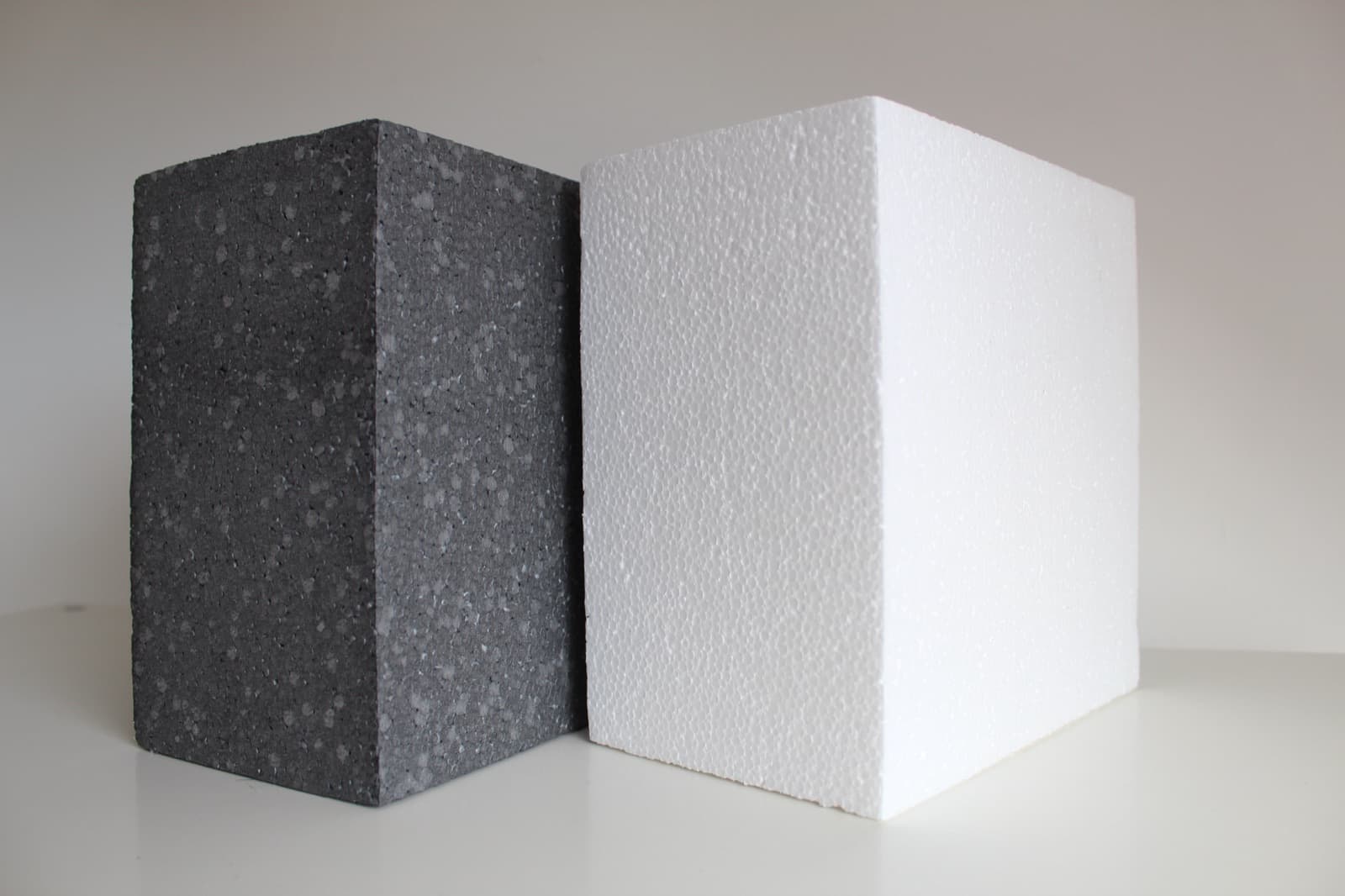
A practical framework for choosing insulation by performance, carbon, and cost
A practical framework for choosing insulation by performance, carbon, and cost

Lower-impact insulation options, and when to specify each one
Lower-impact insulation options, and when to specify each one
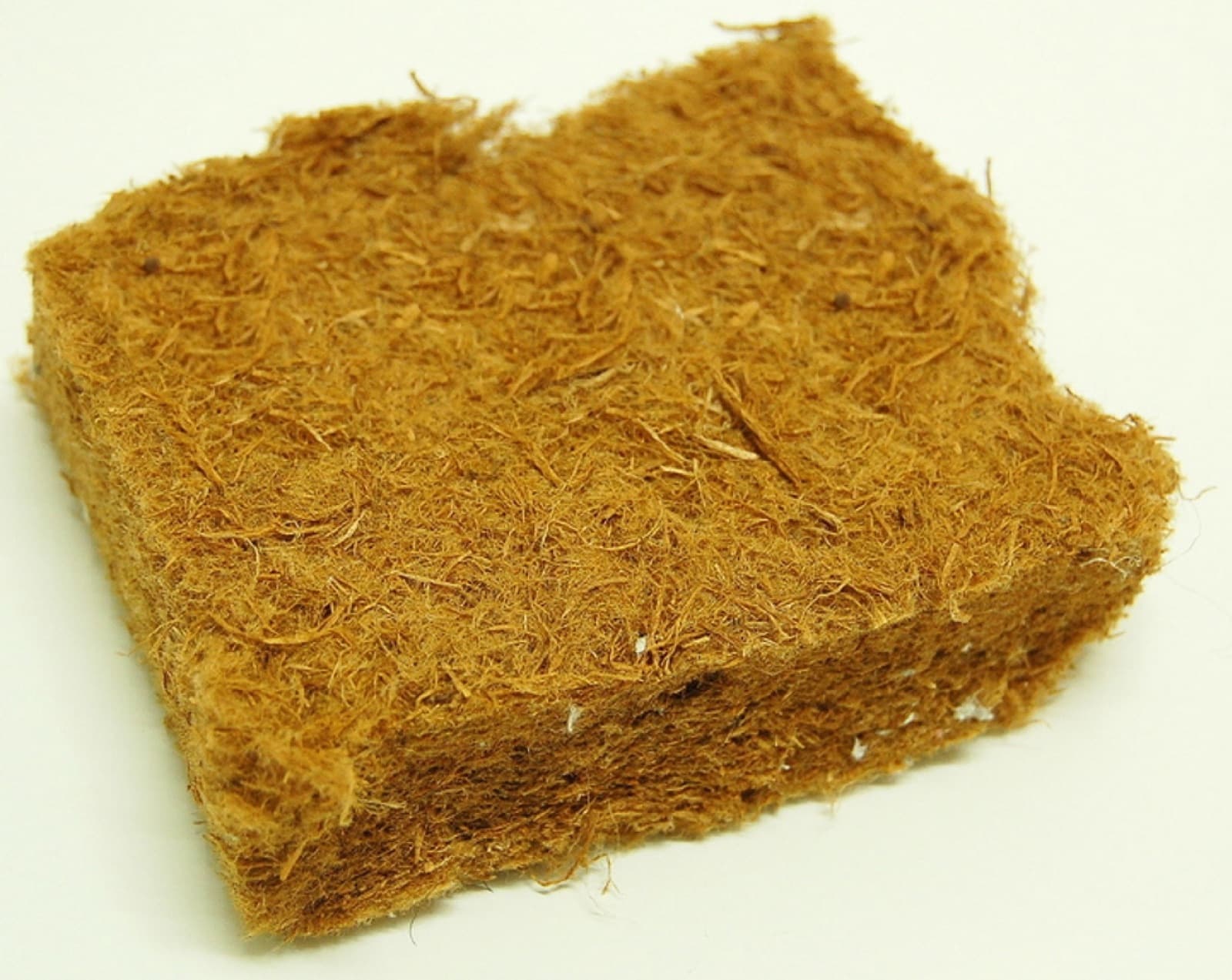
A low-impact alternative to PIR and mineral wool
A low-impact alternative to PIR and mineral wool

How they compare on cost, thermal and acoustic performance, fire, moisture, and sustainability
How they compare on cost, thermal and acoustic performance, fire, moisture, and sustainability
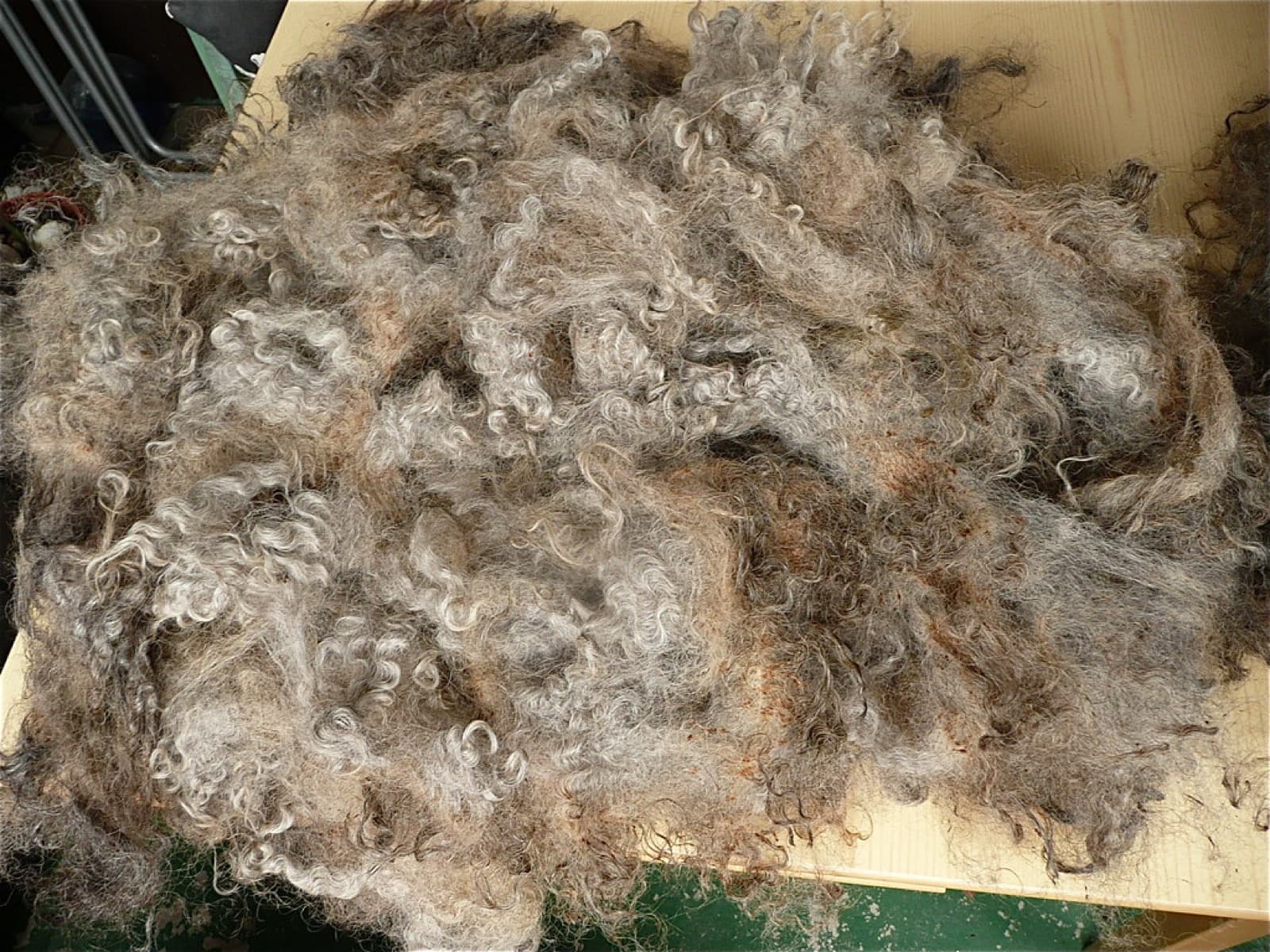
How it performs, where it works, and what to check on the label
How it performs, where it works, and what to check on the label