Material
Wood Fibre Insulation
A low-impact alternative to PIR and mineral wool
6 min readUpdated April 2026
Save guideWhat is wood fibre insulation?
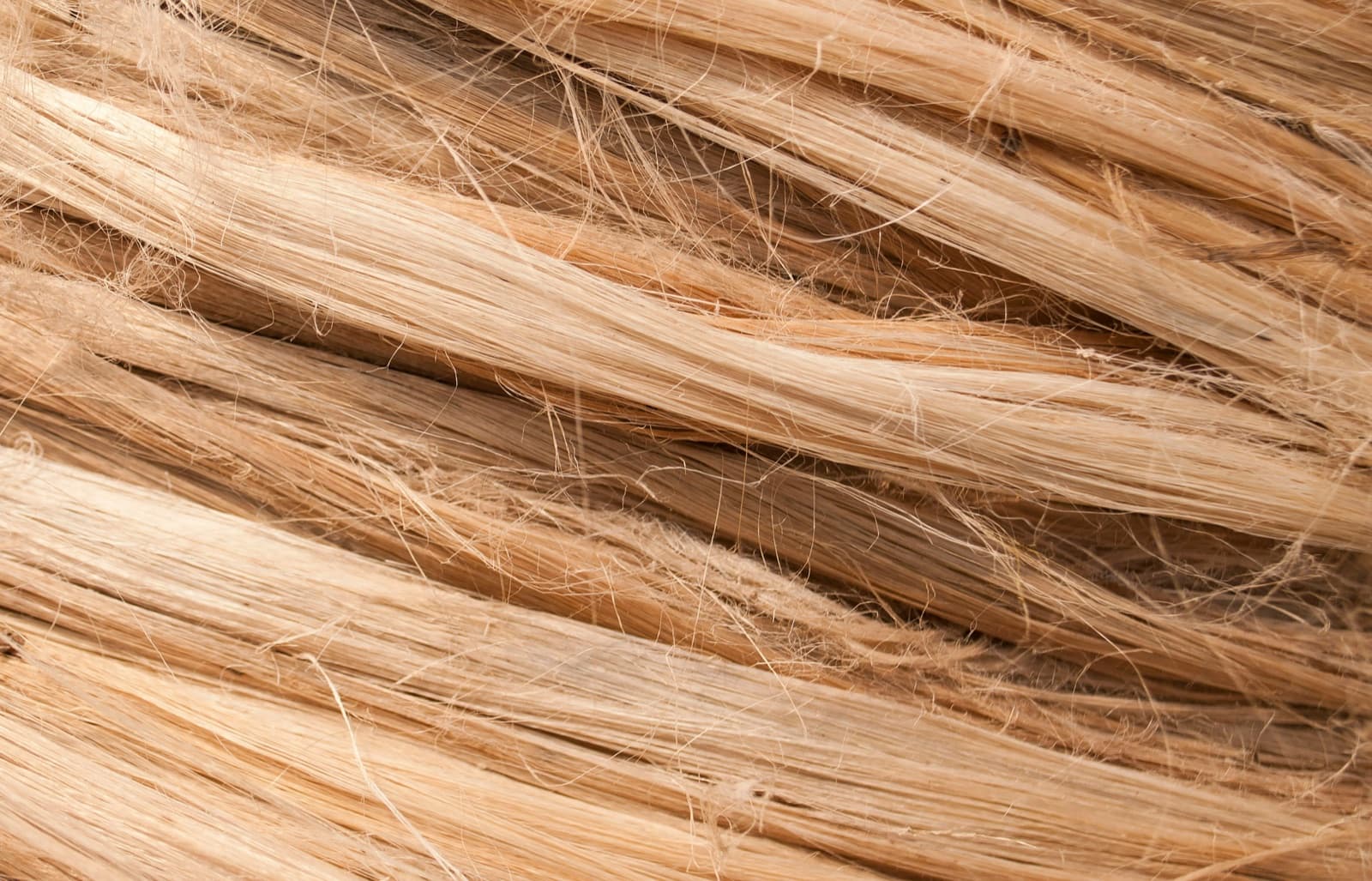
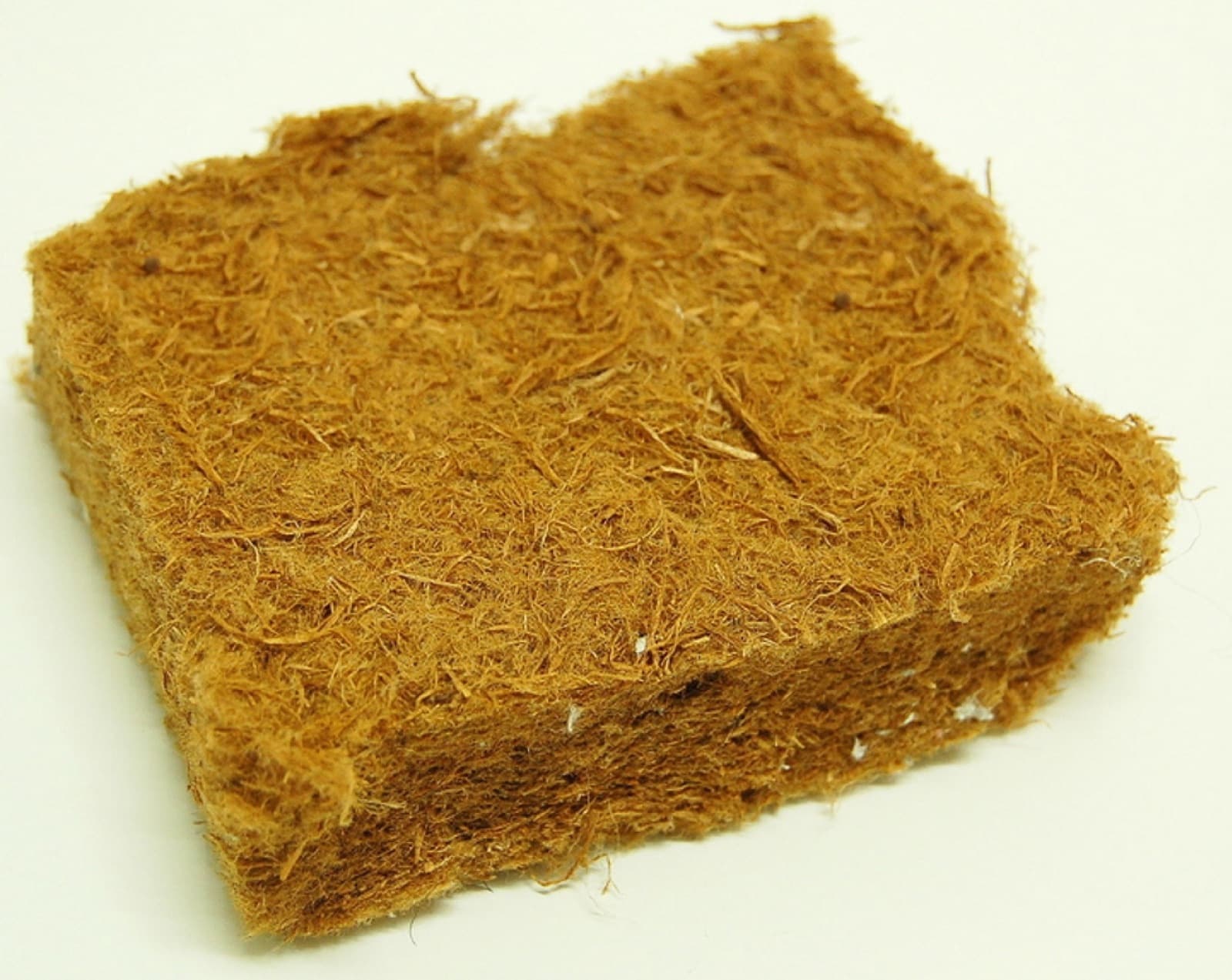
Wood fibre insulation is made from wood chips and timber industry residues, processed into rigid boards or flexible batts. It can be used in walls, roofs, and floors as a direct replacement for synthetic insulation products like PIR or mineral wool.
The material has a long history in continental Europe, particularly in Germany and Austria, where it has been used in high-performance building envelopes for decades. Manufacturers like Steico and Pavatex have refined production processes to deliver consistent thermal performance with minimal environmental impact.
How is it manufactured?
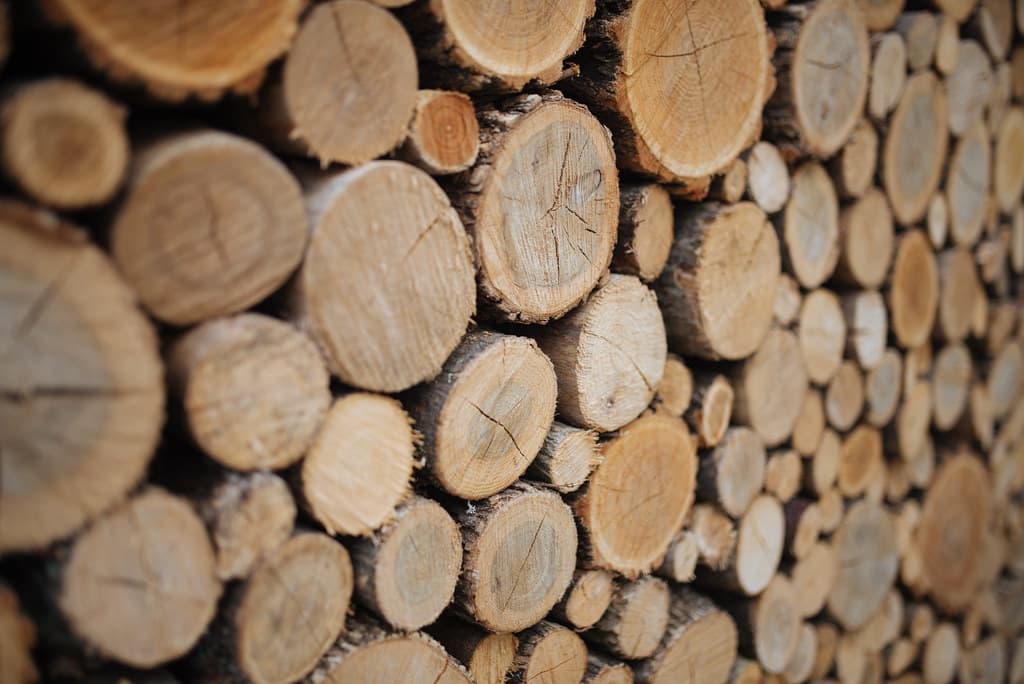
Wood fibre insulation is typically produced using one of two methods: a wet process (similar to papermaking) or a dry process that binds fibres with polyurethane resin or natural binders. Both start with softwood chips - often spruce or pine - sourced from sustainably managed forests or sawmill residues.
The wet process produces dense, rigid boards suited to external sheathing. The dry process creates lighter, flexible batts designed for internal framing cavities. Some manufacturers use no synthetic binders at all, relying instead on the natural lignin in wood to hold the fibres together.
Sustainability benefits
Wood fibre insulation offers several environmental advantages over conventional alternatives. These benefits are most meaningful when verified through product-specific Environmental Product Declarations (EPDs).
- Bio-based
- Derived from renewable timber resources rather than fossil-based chemistry.
- Carbon sequestration
- Wood fibres store carbon absorbed during tree growth.
- Lower embodied carbon
- Typically lower manufacturing emissions than PIR or XPS. Verify via EPD.
- Breathable
- Vapour-permeable, supporting moisture-safe wall assemblies.
- Recyclable
- Can be composted or recycled at end of life.
- Responsibly sourced
- FSC or PEFC certification available from leading manufacturers.
Tip. Always compare product-specific EPDs rather than relying on generic material-level assumptions. Embodied carbon values vary significantly between manufacturers and supply chains.
Trade-offs to consider
No material is without compromise. Understanding the limitations helps you specify wood fibre insulation appropriately for each project.
- Higher cost per square metre compared to mineral wool or PIR
- Thicker build-ups may be needed to achieve equivalent U-values
- Moisture detailing is critical - incorrect installation can lead to performance issues
- Availability can be variable depending on region and supplier
- Fire performance varies by product - check compliance with national building regulations
Where wood fibre works best
Wood fibre is strongest when the whole wall, roof, or floor build-up is designed around vapour movement, airtightness, and realistic thickness. It is not just a drop-in board swap for every situation.
| Use case | Good fit? | What to check |
|---|---|---|
| Timber frame walls | Often strong | Cavity depth, airtight layer, fire strategy, service zone |
| External wall insulation on older masonry | Often strong | Rain exposure, render system, fixings, plinth details, window reveals |
| Internal insulation on solid walls | Possible but needs care | Moisture risk, cold bridges, ventilation, hygrothermal advice |
| Loft rafters or roof sarking | Often strong | Roof membrane, ventilation strategy, condensation risk |
| Thin retrofit where every millimetre matters | Often harder | U-value target and whether another material is needed to keep build-up slim |
Common applications
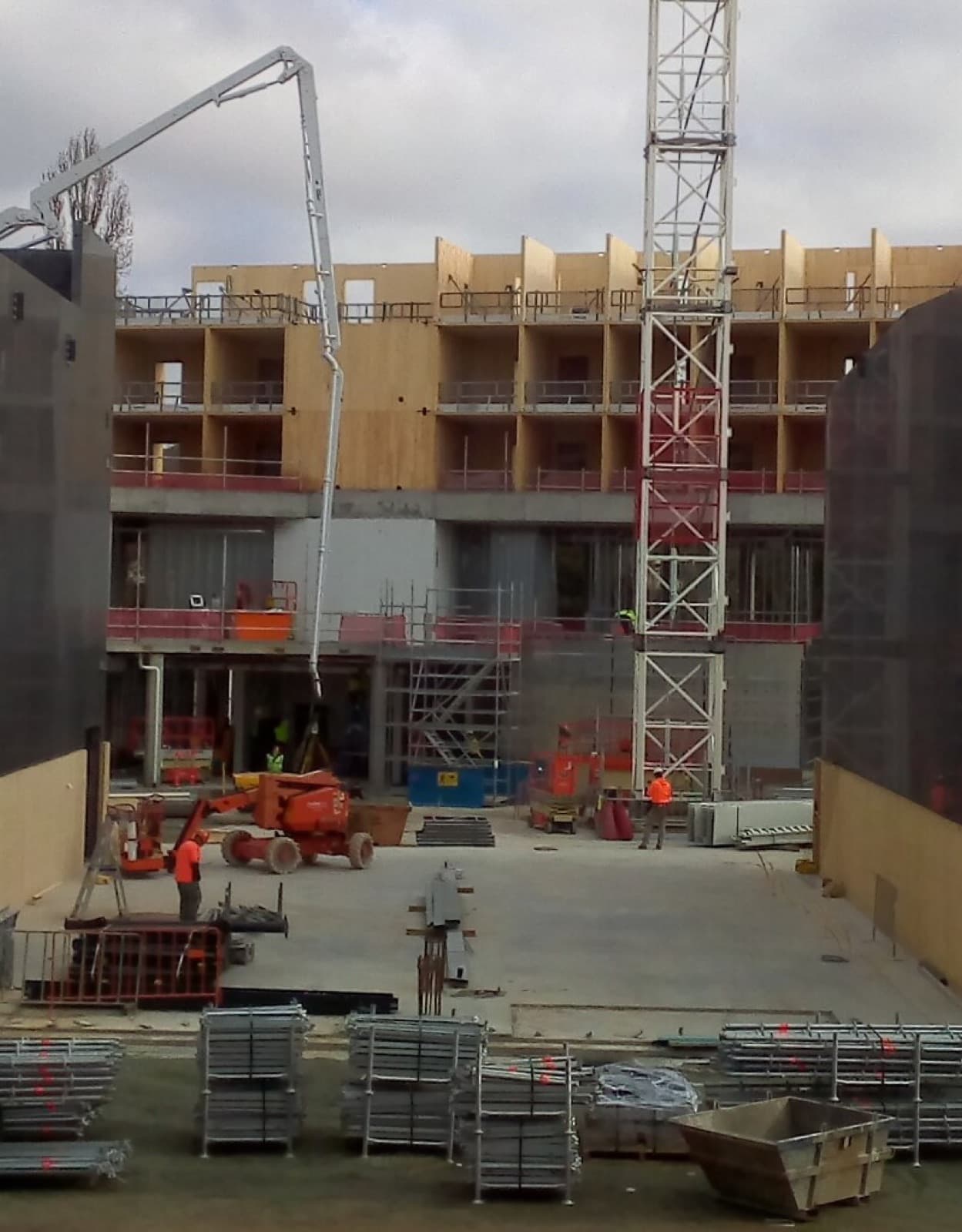
Wood fibre insulation is versatile enough for most building elements. Rigid boards are commonly specified for external wall insulation (EWI) and sarking beneath roofing, where they also provide an effective wind-tight layer. Flexible batts fill timber frame cavities, loft spaces, and internal partitions.
The material is particularly well suited to retrofit projects and Passivhaus builds, where its breathability supports moisture management in older building fabrics. It pairs well with lime renders and natural plasters.
Questions before specifying
Ask these questions early, especially on retrofit projects where moisture and detailing matter as much as thermal performance.
- What U-value are we trying to achieve, and how thick will the build-up be?
- Is the product rigid board, flexible batt, render carrier board, or sarking board?
- What airtightness layer, vapour control layer, membrane, render, or plaster is compatible?
- Has the wall or roof build-up been checked for condensation or moisture risk?
- What fire classification and acoustic performance does the product provide?
- Does the supplier provide EPD data, FSC or PEFC certification, and installation details?
Certifications to look for
When specifying wood fibre insulation, look for these certifications to verify sustainability and performance claims.
- FSC / PEFC
- Chain of custody confirms responsible timber sourcing.
- EPD
- Third-party verified lifecycle impact data.
- BBA Certificate
- UK building regulation compliance.
- Passivhaus certified
- Verified for high-performance building envelopes.
Useful links
- FSC chain of custodyRequirements, fees, and the route to finding an accredited certifier.
- PEFC for businessesUK PEFC guidance on getting certified and a directory of certification bodies.
- EPD InternationalLargest public EPD registry. Useful for benchmarking before commissioning your own.
- BRE Global EPDsUK-based EPD programme operator widely used for construction products.
- IBUInstitut Bauen und Umwelt - German programme operator widely accepted across Europe.