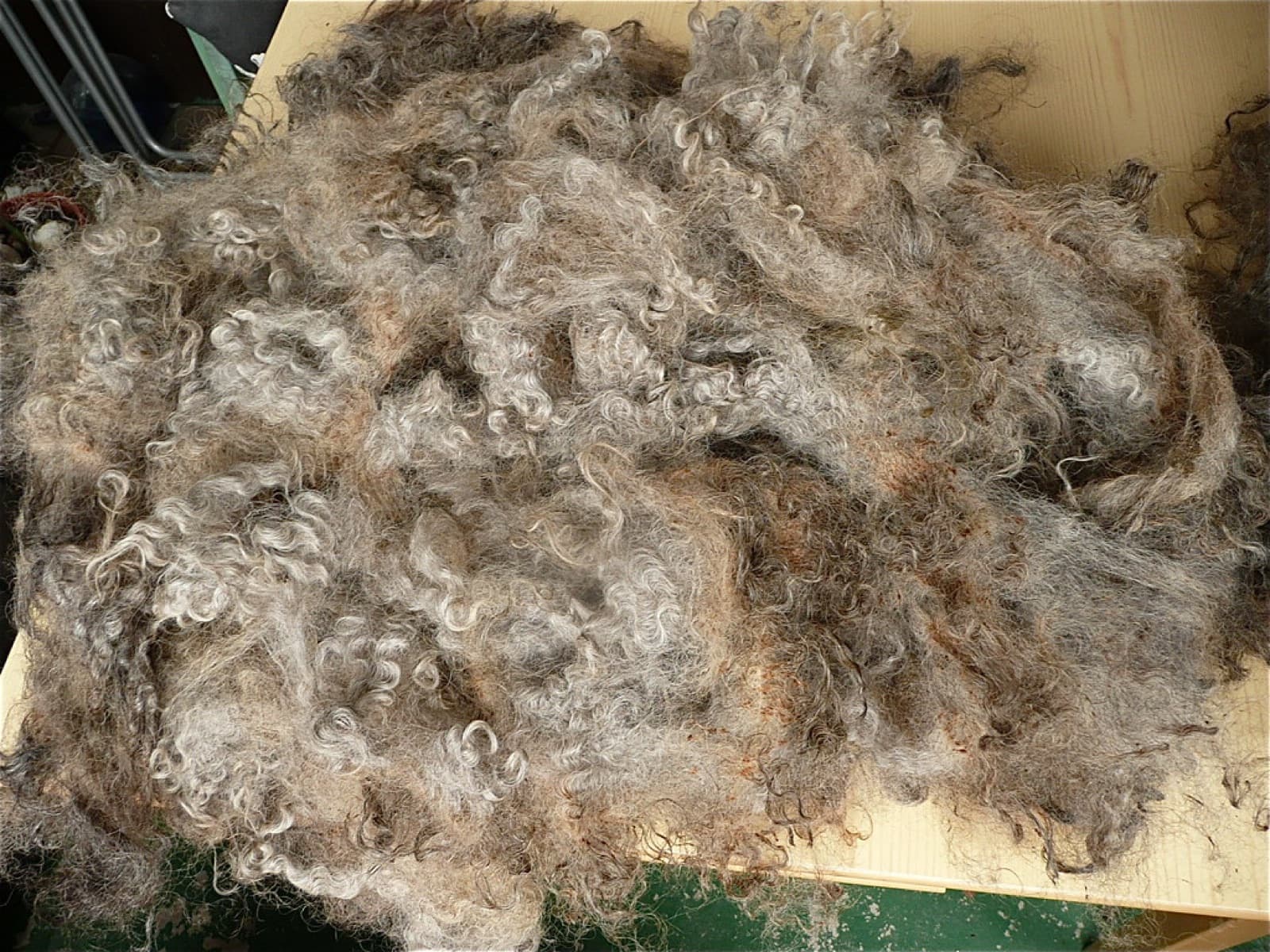
Insulation · Sheep wool insulation
Sheep wool insulation
Celtic Sustainables·Celtic House
In Stock
Request quote
How it performs, where it works, and what to check on the label
3 min readUpdated November 2026
Save guideSheep's wool insulation is made from wool fibres formed into rolls, slabs, or loose fill. It is usually treated against insects and often contains a binder or recycled polyester to hold its shape. Origin varies, so ask the supplier.
Declared thermal conductivity is typically around 0.035-0.040 W/mK, which is broadly similar to many mineral wool products. It takes up more depth than PIR for the same U-value, so check your build-up before specifying.
Sheep's wool
0.035-0.040Cellulose
0.038-0.040Wood fibre
Often around 0.038Mineral wool
Often 0.032-0.036PIR
Around 0.022-0.026Typical thermal conductivity. Use the declared value for the product you are buying.
Wool insulation cannot be used to solve a damp problem. Water leaks, rising damp, and poor ventilation still need fixing, and wet insulation performs poorly.
Watch out. Hygroscopic does not mean waterproof. Keep wool dry during delivery, storage, and installation, and have moisture risk checked for solid walls and other sensitive build-ups.
"100% natural" is worth checking. Wool insulation may include moth treatment, fire treatment, and polyester fibres or other binders. Polyester can be recycled and can help the product keep its shape, but it can make end-of-life recovery harder.
Current products commonly declare Euroclass E under EN 13501-1. Some older product sheets use other test methods, so don't compare them directly. Wool insulation should be kept away from flues and heat sources, following the manufacturer's clearance instructions. Its class also limits its use in the external walls of taller buildings.
Wool suits timber structures where a vapour-open build-up and comfortable installation are valued. It is not rigid, so it doesn't suit every position.
Between joists in lofts
GoodBetween rafters
GoodTimber frame walls
GoodSuspended timber floors
PossibleInternal insulation on solid walls
Needs careExternal wall or flat roof insulation
Usually unsuitableCompare the installed cost and availability against other options, and follow the supplier's safety advice. Read EPDs carefully rather than assuming wool is always the lowest-carbon choice.
Compare thermal conductivity, thickness, wool content, treatment, and fire class across products. Ask suppliers for current Declaration of Performance documents, and compare installed cost at the thickness you actually need.
Where the facts in this guide come from. Standards and guidance change, and some sources are suppliers or trade sites, so check the original before relying on a detail.
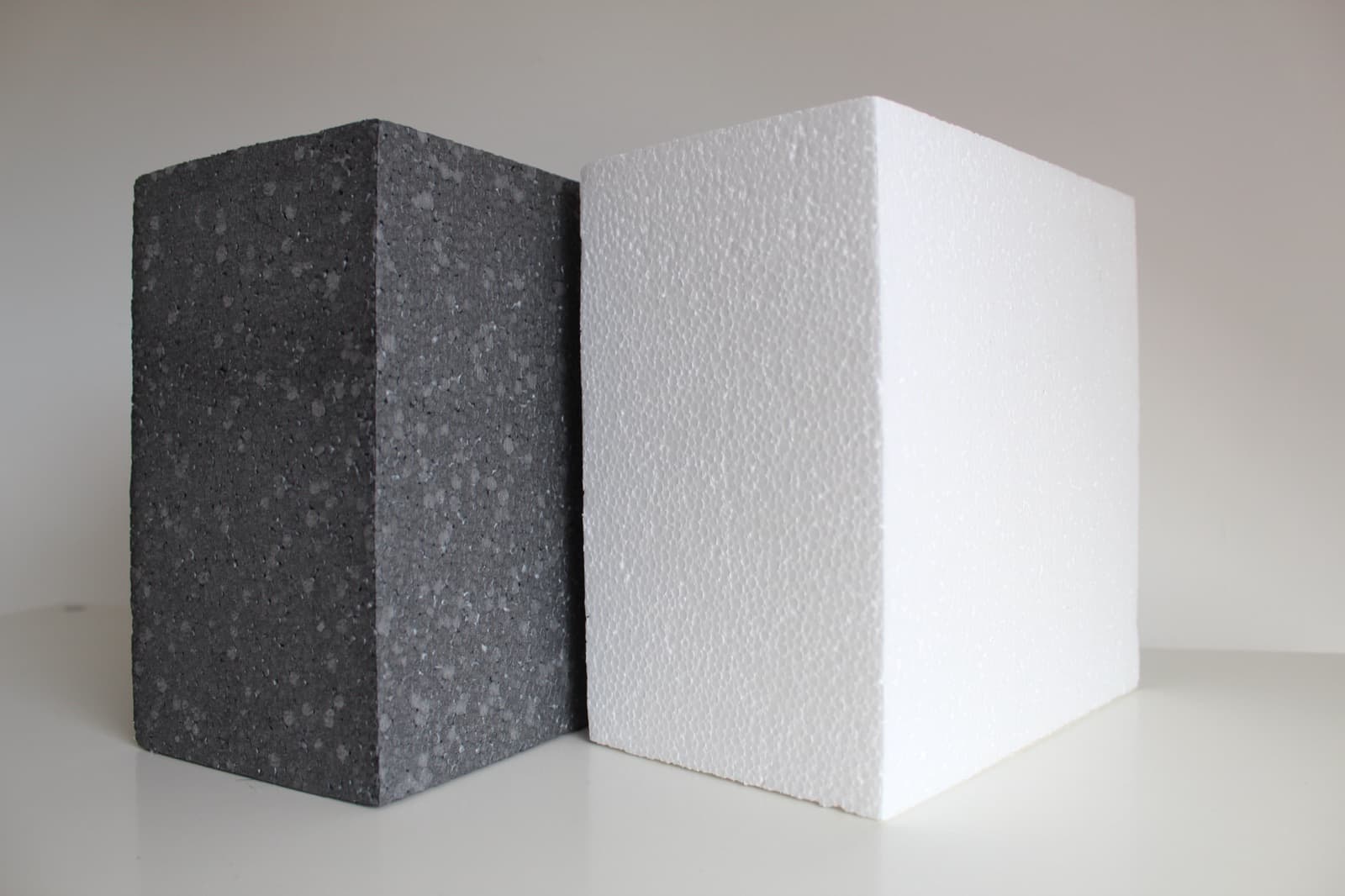
A practical framework for choosing insulation by performance, carbon, and cost
A practical framework for choosing insulation by performance, carbon, and cost
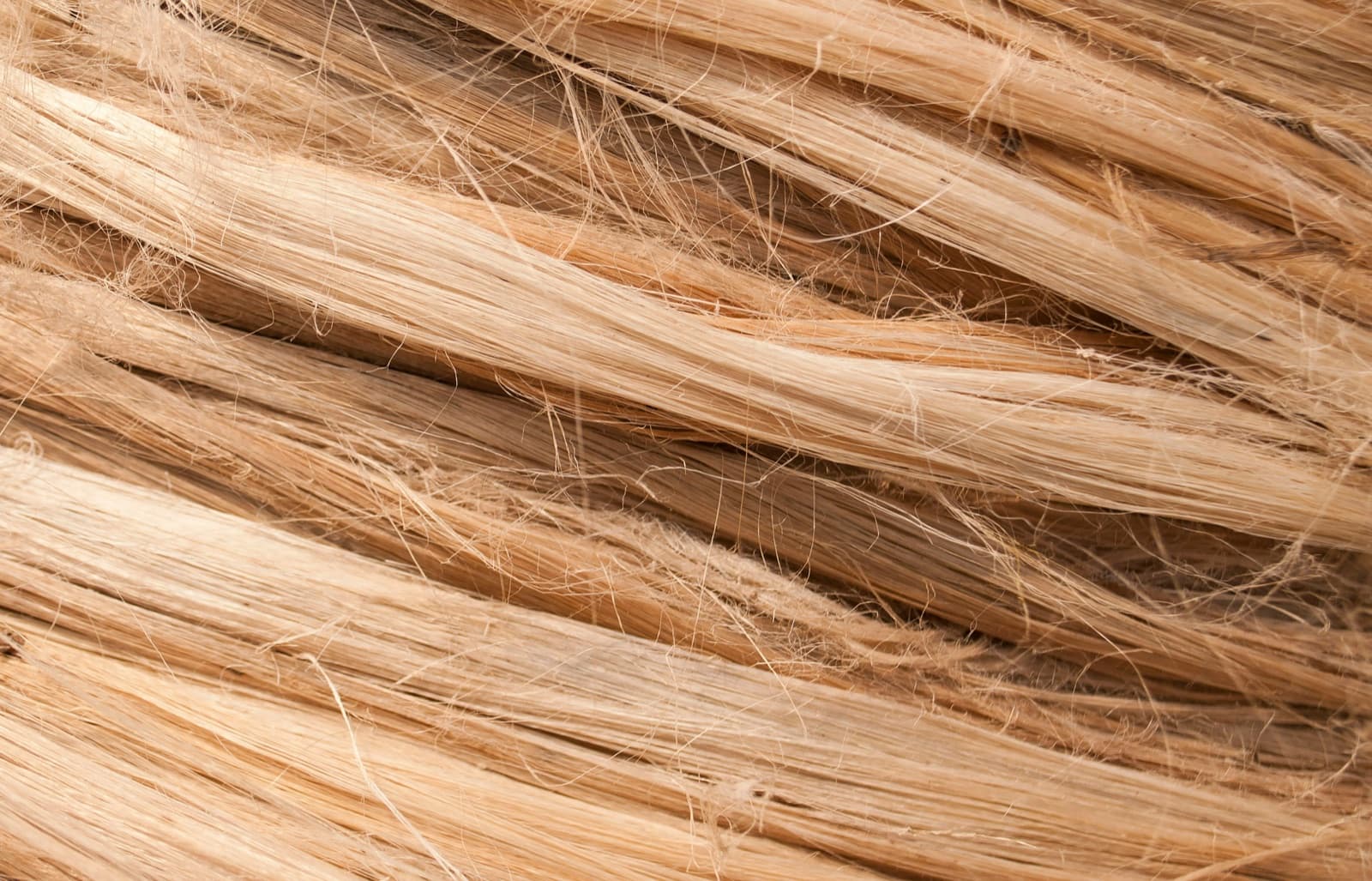
Lower-impact insulation options, and when to specify each one
Lower-impact insulation options, and when to specify each one
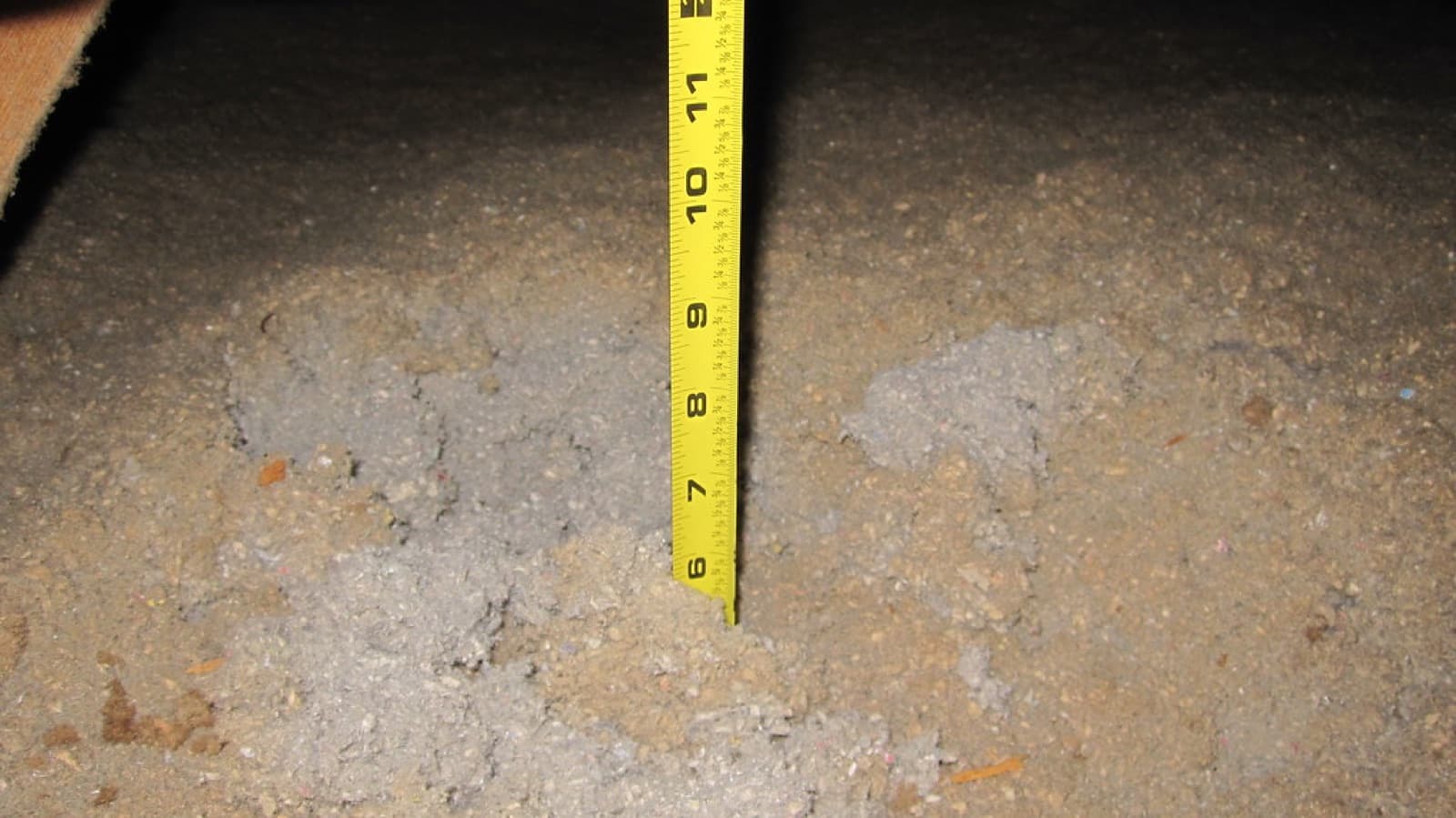
Recycled paper insulation: how it is installed, how it performs, and what to check
Recycled paper insulation: how it is installed, how it performs, and what to check

A low-impact alternative to PIR and mineral wool
A low-impact alternative to PIR and mineral wool