Masonry & Stone · Clay bricks
Reclaimed bricks
Herts Architectural Salvage·Pursley Farm
In Stock
Request quote
Bricks, timber, tiles, doors, sanitaryware, and flooring - what to inspect before you buy
7 min readUpdated July 2026
Save guideReclaimed materials can be a sweet spot for DIYers: lower waste, more character, and often better quality than cheap new equivalents. Old bricks, timber boards, quarry tiles, doors, sinks, and ironmongery can bring a project to life without needing a full architectural specification.
The catch is that second-hand materials are not standardised. They come in batches, vary in condition, and may need cleaning, sorting, or small repairs. The best reclaimed buys are the ones you can inspect properly and use without relying on hidden structural performance.
Tip. For a first salvage-yard trip, look for visible, non-structural items: tiles, shelves, doors, handles, bricks for garden edging, or timber for furniture. Leave structural elements until you have expert advice.
These are usually the safest and most rewarding reclaimed materials for small home projects.
| Material | Good uses | Check before buying |
|---|---|---|
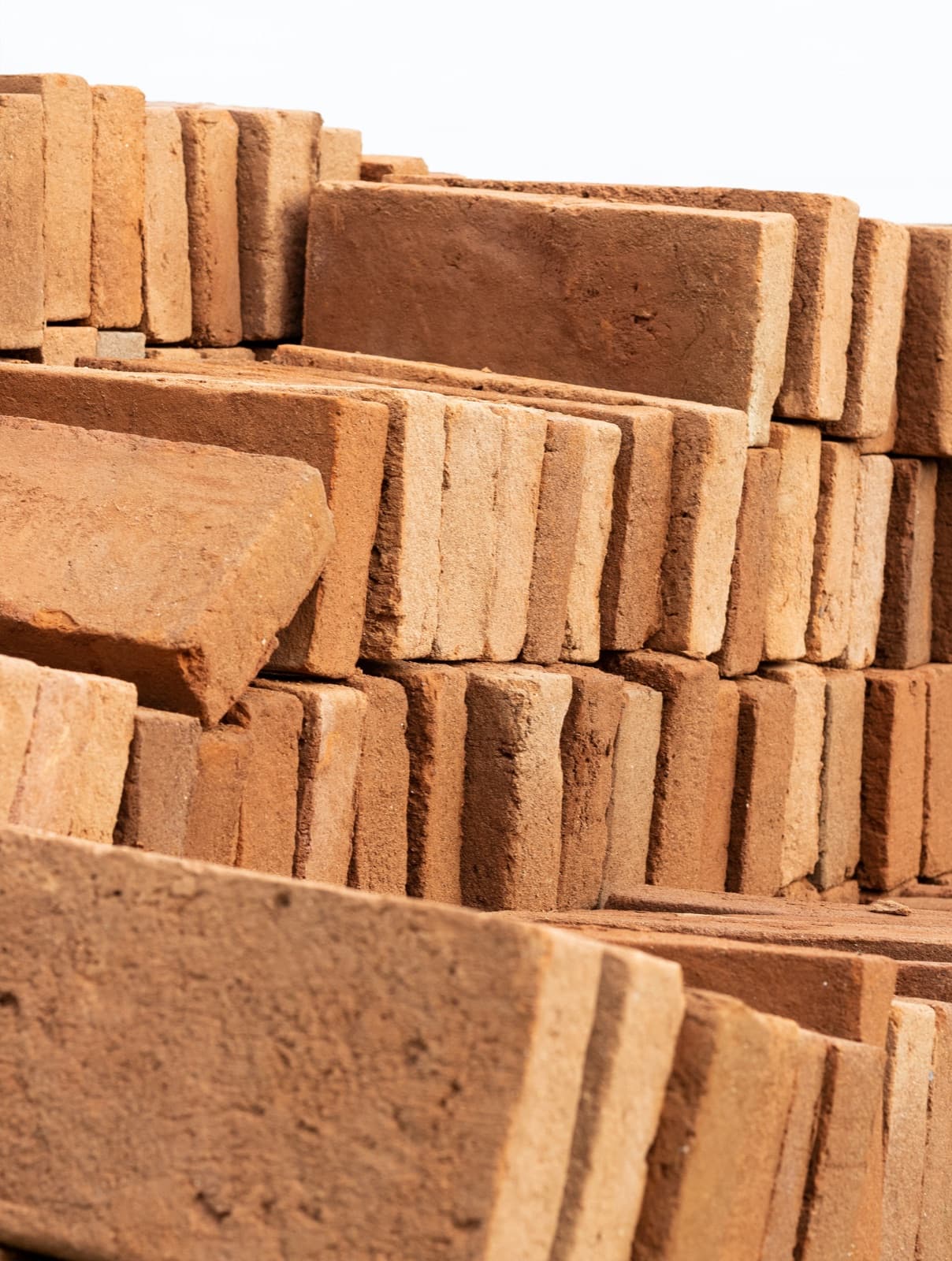
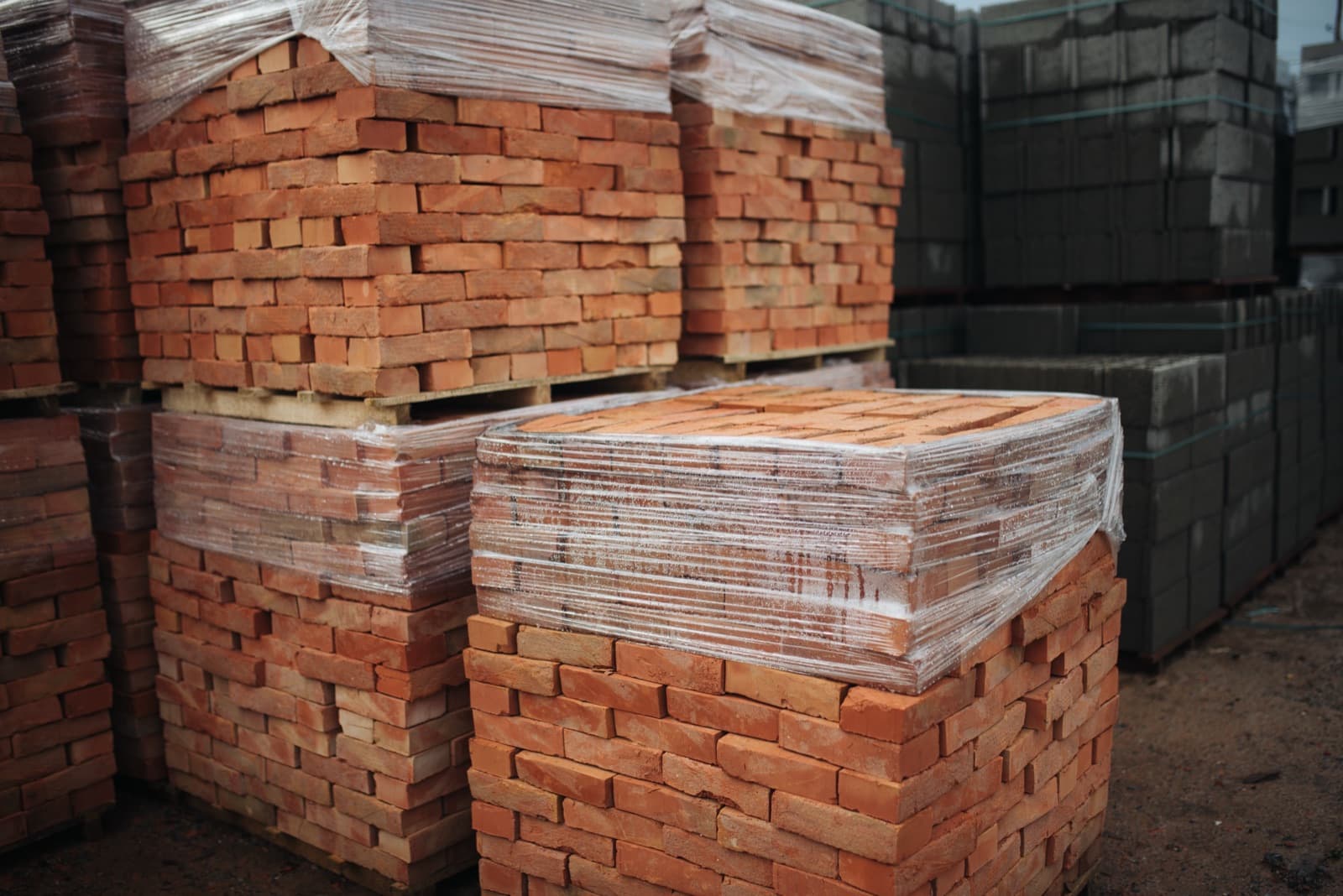
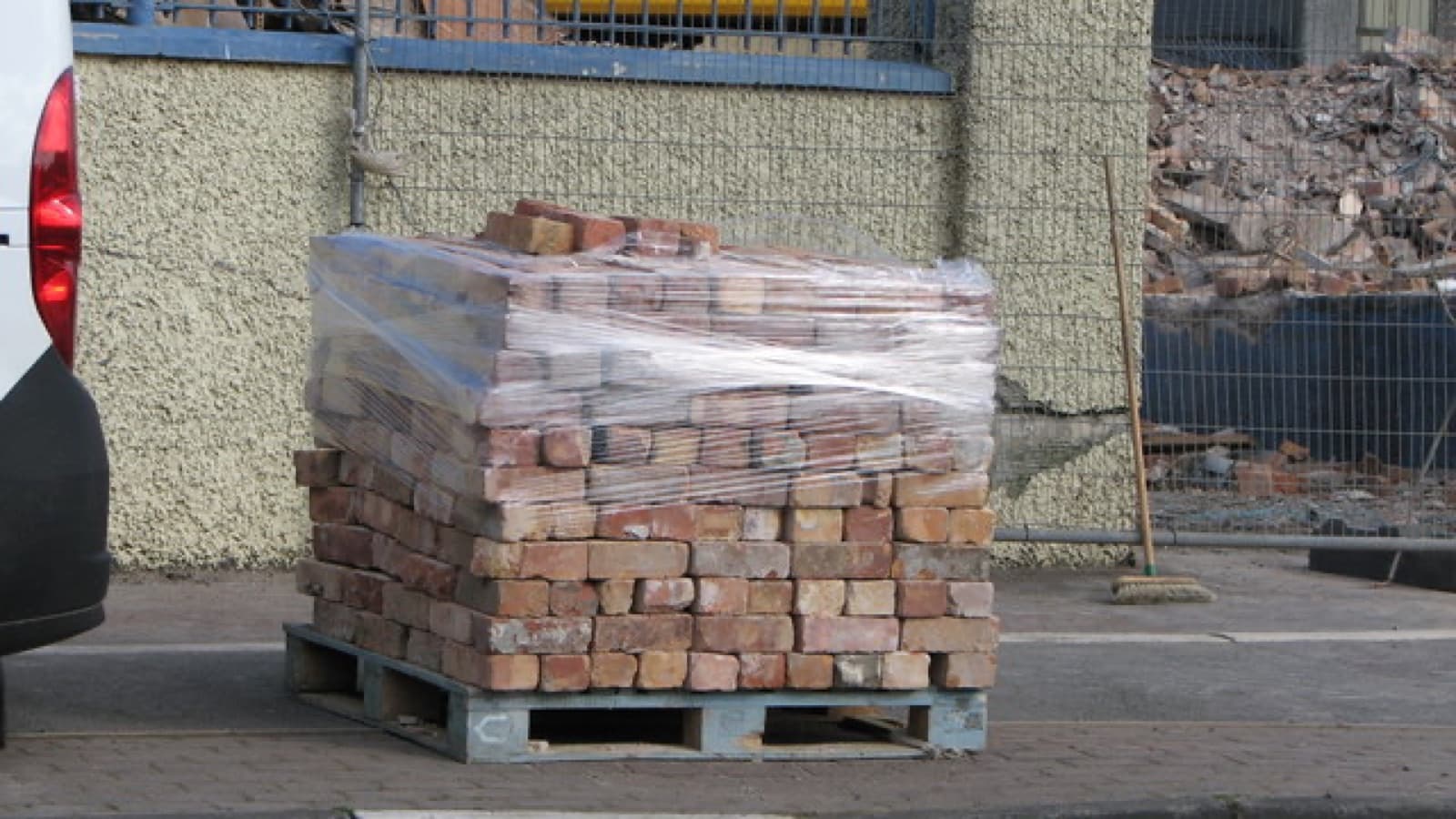
| Bricks | Garden edging, paths, small walls, fireplace surrounds, repair patches | Frost damage, heavy salt staining, crumbling faces, matching size, enough spares |
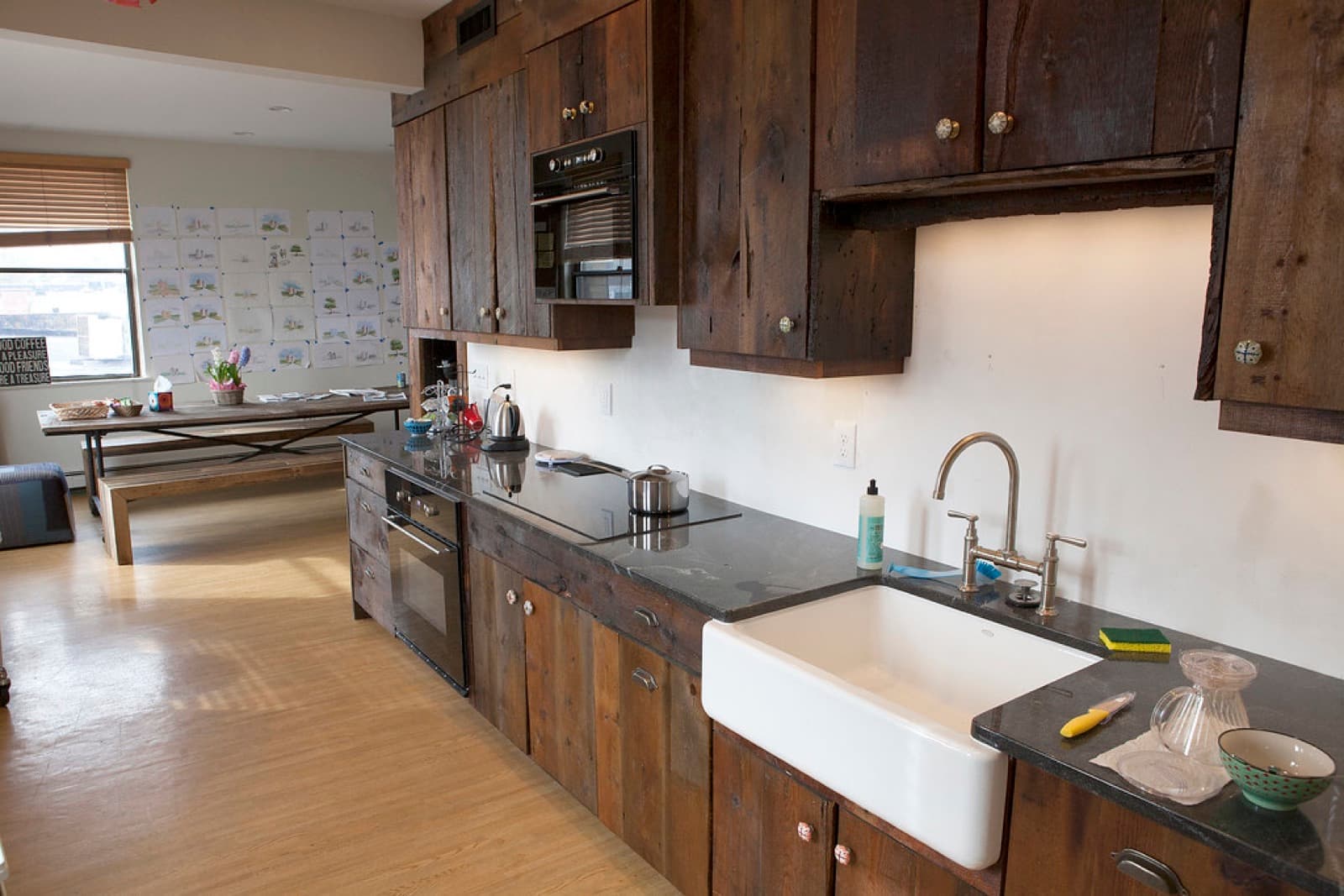
| Timber boards | Shelves, furniture, panelling, workbench tops, feature walls | Warping, rot, woodworm, nails, oil stains, strong chemical smells |
| Floorboards and parquet | Room repairs, small floors, thresholds, feature panels | Tongues and grooves, thickness, cupping, adhesive residue, enough matching boards |
| Quarry tiles and ceramic tiles | Hallways, splashbacks, hearths, small bathrooms | Cracks, chips, adhesive on backs, consistent thickness, spare percentage |
| Doors | Internal doors, pantry doors, cupboard fronts, decorative reuse | Twist, hinge positions, height, fire-rating needs, lead paint risk |
| Sanitaryware | Basins, baths, utility sinks, garden planters | Cracks, crazing, drain sizes, tap-hole layout, weight, missing fittings |
| Ironmongery | Handles, hooks, hinges, latches, brackets | Rust, missing screws, smooth operation, matching pairs or sets |
Do not inspect reclaimed materials like you are browsing decor. Inspect them like you will have to live with the awkward bits later.
| Topic | Detail |
|---|---|
| Measure first | Take the dimensions you need, plus the maximum size that will fit through doors, stairs, and car boots. |
| Buy extra | Allow 10-20% waste for bricks, tiles, and boards because some pieces will be damaged or unusable. |
| Check every face | Turn pieces over and look for cracks, rot, adhesive, paint build-up, salts, and missing edges. |
| Smell timber | Strong oil, chemical, smoke, or damp smells can be difficult to remove indoors. |
| Look for fixings | Old nails, screws, staples, and embedded metal can damage tools. |
| Ask about provenance | Where it came from, whether it was indoors or outdoors, and how long it has been stored. |
| Photograph the batch | If you need more later, a photo helps the yard understand what you are trying to match. |
Some reclaimed items are tempting but risky. They may still be reusable, but not as a quick DIY purchase.
Watch out. If cutting, sanding, drilling, or heating an unknown old material could release dust or fumes, stop and identify it first. Lead paint and asbestos are not worth guessing around.
Reclaimed materials work best when they are matched to the wear, moisture, and cleaning needs of the room.
Budget time for cleaning. The material may be cheaper than new, but the labour is part of the deal.
Architectural salvage yards are the most reliable starting point because you can inspect stock in person and ask questions. Online marketplaces can be cheaper, but you need better photos, clearer measurements, and a plan for collection.
Search for reclaimed timber, reclaimed bricks, salvaged tiles, architectural salvage, reclaimed flooring, FSC recycled timber, recycled-content tiles, and low-VOC finishes for cleaning up and protecting second-hand materials. Use Matera's more technical reclaimed materials guide when a project needs grading, provenance, or structural confidence.