Low-Impact Material Swaps for DIY Projects
Simple substitutions for shelves, floors, walls, kitchens, and garden jobs
5 min readUpdated July 2026
Save guideSmall projects still have material choices
DIY projects are often too small for formal specifications, but they still involve dozens of choices: boards, paint, adhesive, sealant, flooring, tiles, shelves, worktops, and finishes. Swapping one or two high-impact defaults can make the project healthier and lower waste without making it precious.
The best swaps are boring in a good way: easy to buy, easy to install, and easy to repair later.
Easy swaps by job
Use this as a practical shopping list when planning a weekend or room-by-room project.
| Project | Common default | Lower-impact swap |
|---|---|---|
| Shelves | New MDF or melamine board | FSC timber, reclaimed scaffold boards, or formaldehyde-free board |
| Wall refresh | Standard vinyl emulsion | Clay paint, mineral paint, or verified low-VOC paint |
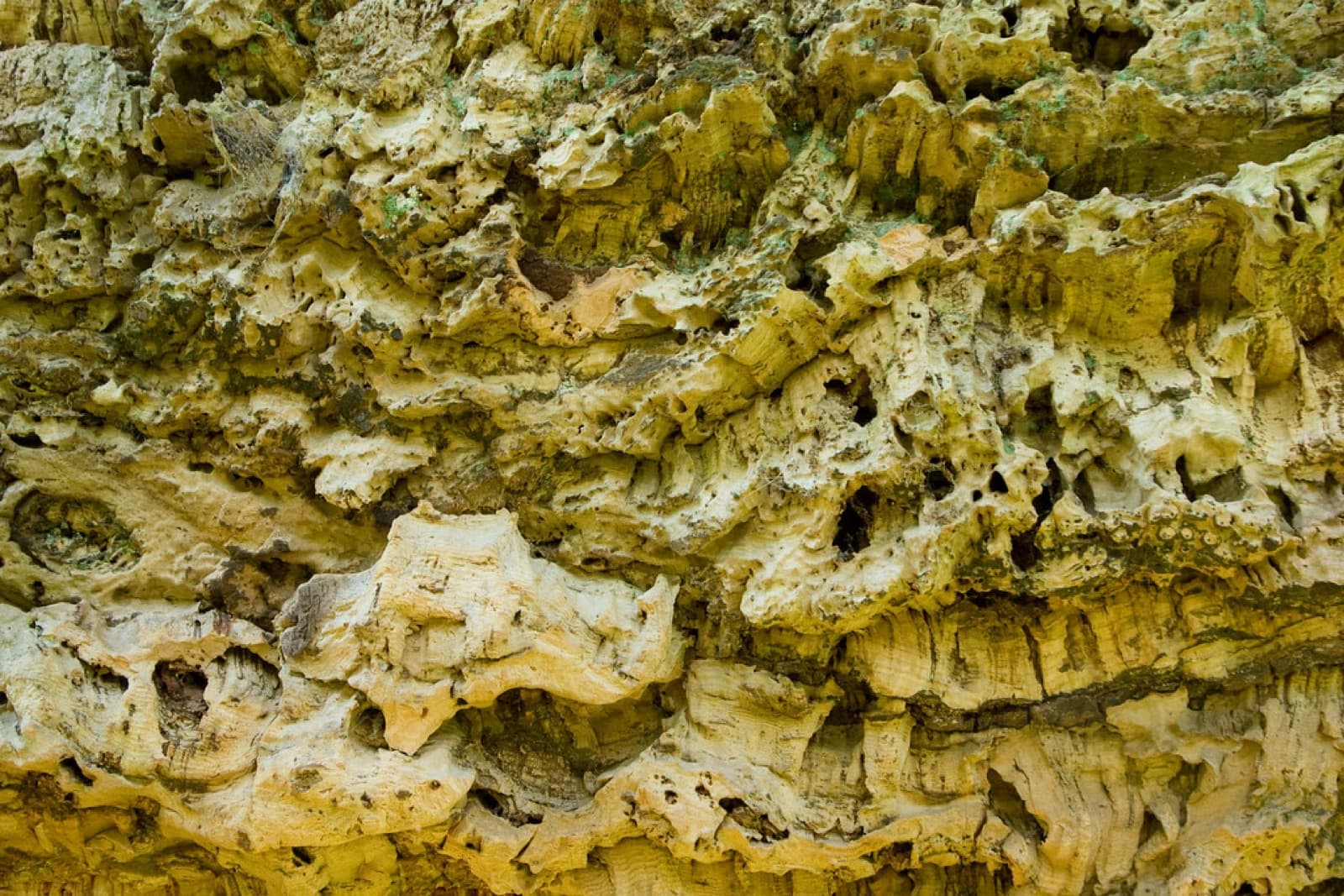
| Floor underlay | Foam underlay | Cork underlay or recycled fibre underlay |
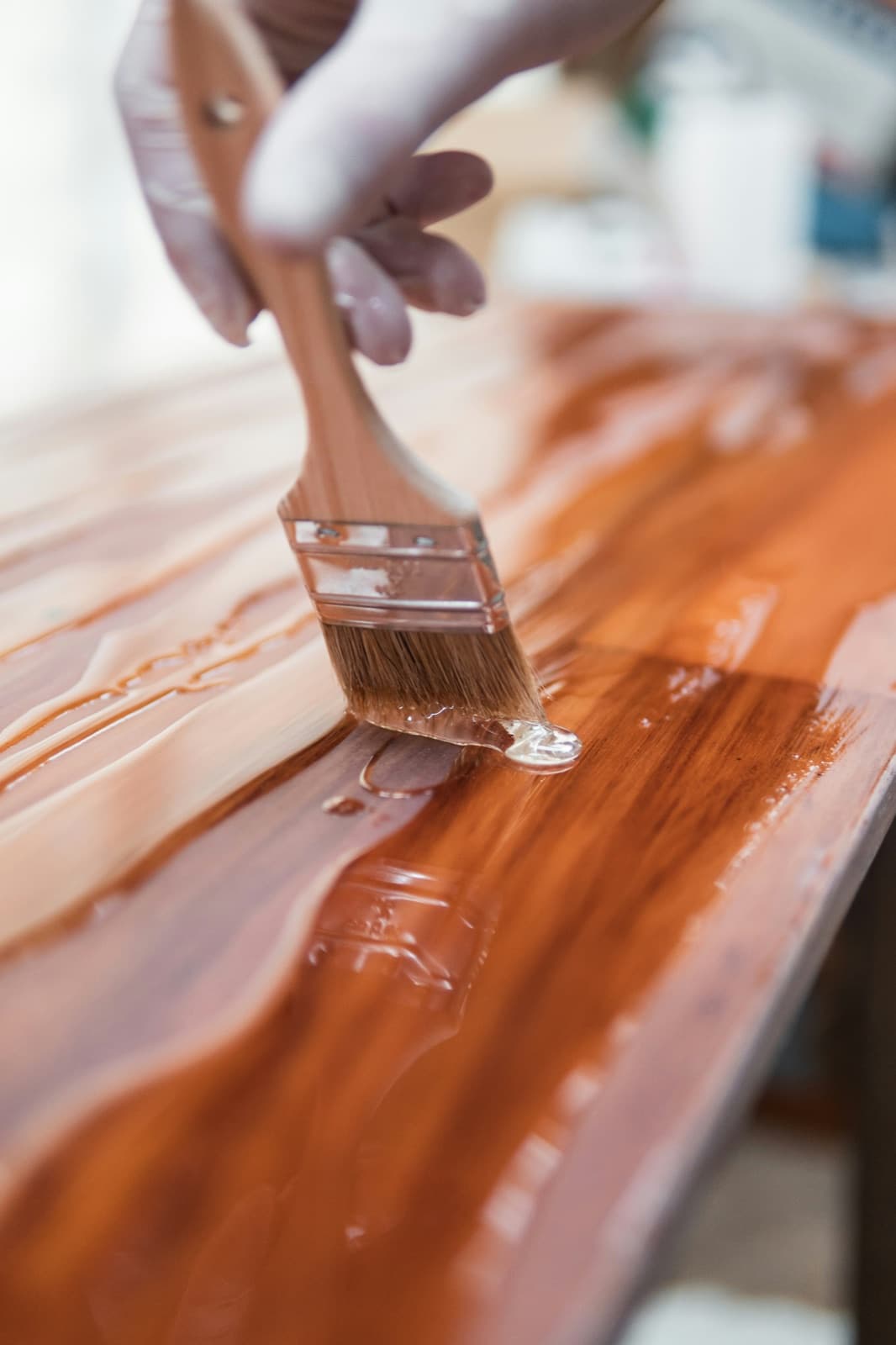
| Wood finish | Solvent varnish | Plant oil, hard-wax oil, or water-based low-VOC varnish |
| Tiles | New ceramic only | Reclaimed tiles, recycled-content tiles, or smaller tiled areas |
| Sealants | High-VOC solvent products | Low-VOC water-based sealants where suitable |
| Garden edging | New plastic edging | Reclaimed brick, stone, untreated durable timber, or steel edging |
The lowest-impact material is often the one you do not buy
Before choosing an eco alternative, check whether you can use less material or keep what is already there.
- Sand and refinish timber rather than replacing it.
- Patch plaster locally instead of overboarding the whole wall.
- Keep existing tiles if they are sound and change grout, paint, or fittings around them.
- Use open shelving sparingly; fewer boards and brackets often looks better too.
- Measure twice and buy close to what you need to avoid half-used tins and offcuts.
Where not to compromise
Some DIY swaps are not worth the risk. Use the right product where safety, moisture, or structural performance matters.
- Bathrooms and kitchens
- Wet areas need products rated for moisture and cleaning.
- Fire-rated assemblies
- Fire-rated doors, walls, and assemblies should not be altered casually.
- Flooring adhesives
- Adhesives and levelling compounds must match the subfloor and the floor finish.
- Exterior timber
- Outdoor timber needs the right durability class, detailing, or finish.
- Structural timber
- Never guess structural timber sizes from appearance.
Room-by-room swaps
A useful low-impact swap is one that fits the room, not just the label on the product.
| Room or job | Easy swaps | Avoid |
|---|---|---|
| Bedroom | Clay paint, wool rug, reclaimed shelves, FSC timber | High-odour finishes right before sleeping in the room |
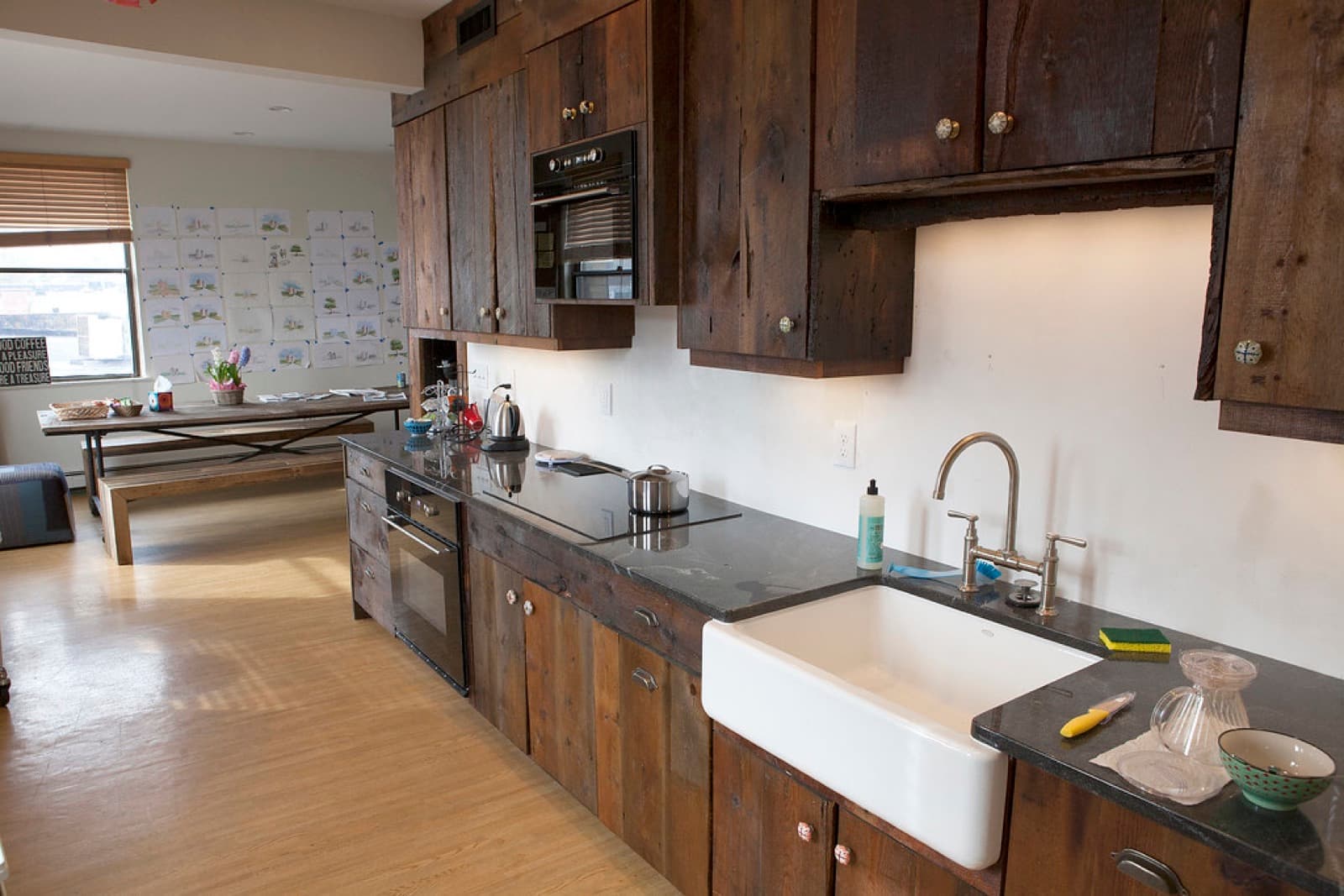
| Kitchen | Reclaimed shelves, durable low-VOC paint, linoleum or tile | Untested sealants near sinks and splash zones |
| Bathroom | Durable fittings, low-VOC sealants, repair before replacement | Swapping out waterproofing systems for unproven natural alternatives |
| Hallway | Hard-wearing low-VOC paint, natural fibre runner, reclaimed hooks | Delicate finishes in high-scuff areas |
| Garden | Reclaimed brick, stone, terracotta, steel edging | Thin plastic edging and untreated indoor timber outside |
Easy, medium, and advanced swaps
Choose swaps that match your skill level. A small finished project beats an ambitious one that stalls halfway through.
- Easy: paint samples, reclaimed shelves, natural fibre rugs, second-hand furniture, plant oil on a small table.
- Medium: cork underlay, reclaimed tiles for a splashback, low-VOC adhesive choices, garden edging with brick or stone.
- Advanced: internal wall insulation, wet-room systems, structural timber changes, large floor replacements.
- Get help when the swap affects moisture, fire safety, structure, electrics, gas, or waterproofing.
Before you shop
A low-impact swap is easiest when you know the boring details before you stand in front of the shelf.
- Take measurements, photos, and notes on the existing surface.
- Check whether the room is wet, high-traffic, rented, old, or damp-prone.
- Write down the tools and primers the product needs, not just the product itself.
- Ask whether unopened packs can be returned.
- Buy one sample or small quantity before committing to a full room.
Labels worth noticing
DIY packaging is full of vague green claims. A few labels are more useful than most.
- FSC or PEFC
- The labels to look for on timber and paper-based boards.
- Blue Angel, EU Ecolabel, Declare, Greenguard
- Useful marks for lower-emission interior products.
- EPD
- Product-specific environmental data if you want to check the numbers.
- Recycled content
- Look for a stated percentage, not just a leaf icon.
- VOC information
- Check content and emissions data for paints, adhesives, and sealants.
What to search for on Matera
Search for reclaimed timber, FSC timber, cork underlay, natural paints, low-VOC adhesives, recycled tiles, plant oils, and formaldehyde-free boards. Save products by project so you can compare cost, delivery, and maintenance before buying.
Useful links
- FSC chain of custodyRequirements, fees, and the route to finding an accredited certifier.
- PEFC for businessesUK PEFC guidance on getting certified and a directory of certification bodies.
- DeclareProduct-ingredient transparency label. Lighter alternative when a full C2C is out of scope.
- EPD InternationalLargest public EPD registry. Useful for benchmarking before commissioning your own.
- BRE Global EPDsUK-based EPD programme operator widely used for construction products.