Alternatives

What to Buy New vs What to Buy Reclaimed

Simple rules for timber, bricks, tiles, doors, sinks, furniture, and where new is safer

5 min readUpdated July 2026Sign in to save

The simple rule

Buy reclaimed when you can inspect the material, use it visibly, and repair or replace it if needed. Buy new when safety, moisture, warranty, fire rating, or hidden performance matters.

Buy reclaimed when

  • You can inspect it before buying
  • It will be used visibly
  • You can repair or replace it later

Buy new when

  • Safety or fire rating is involved
  • It must seal or stay waterproof
  • It carries structural loads
  • Warranty or hidden performance matters

Tip. Reclaimed is brilliant for character and waste reduction. New is often better for products that must seal, hold loads, resist fire, or stay waterproof.

Usually good to buy reclaimed

These are beginner-friendly because you can see most of the condition before buying.

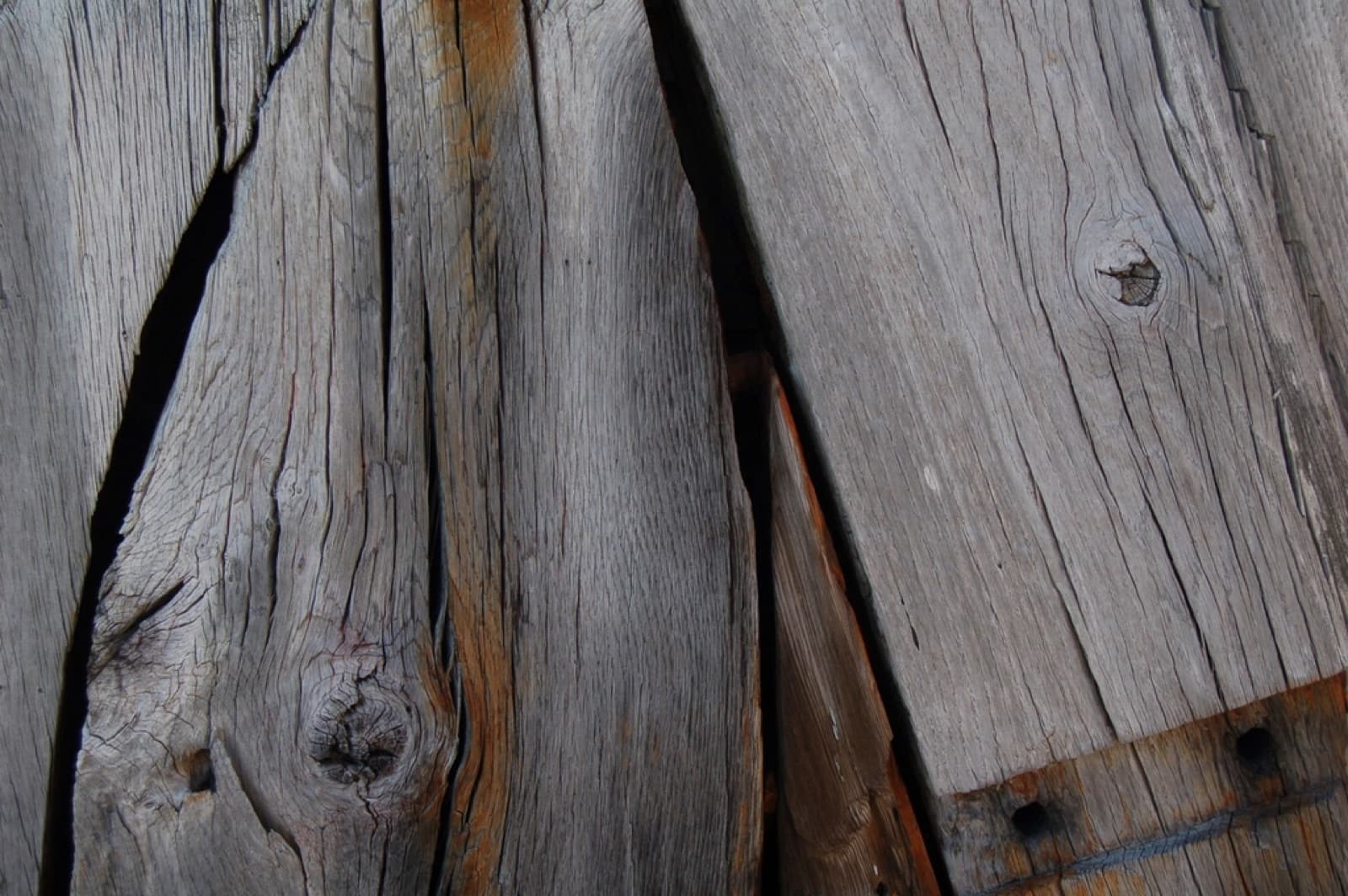
  • Timber for shelves, furniture, panelling, and non-structural projects.
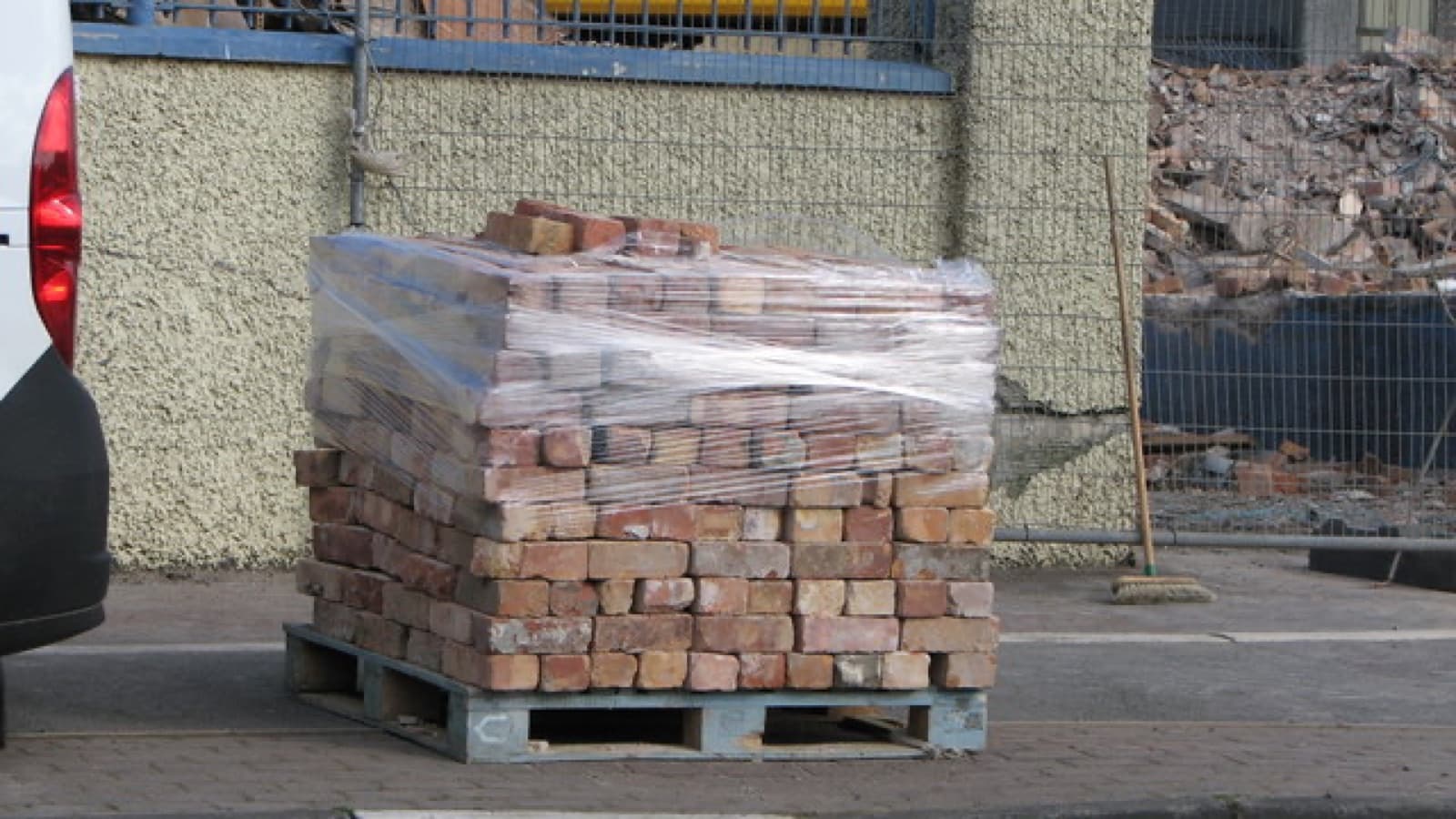
  • Bricks for garden edging, paths, small walls, and decorative repairs.
  • Tiles for splashbacks, hearths, and small floors where you can buy enough spares.
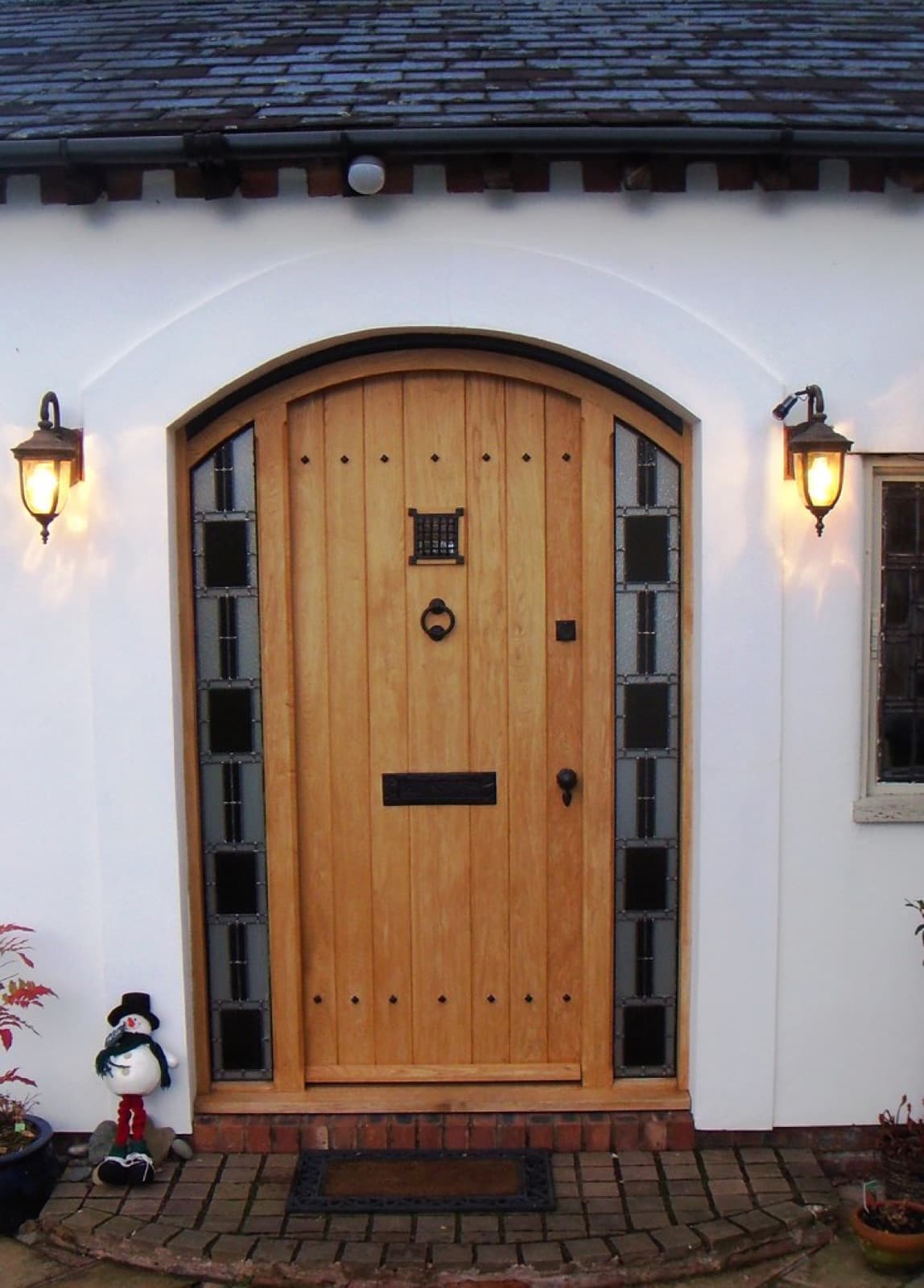
  • Internal doors where fire rating is not required.
  • Handles, hooks, mirrors, brackets, and freestanding furniture.
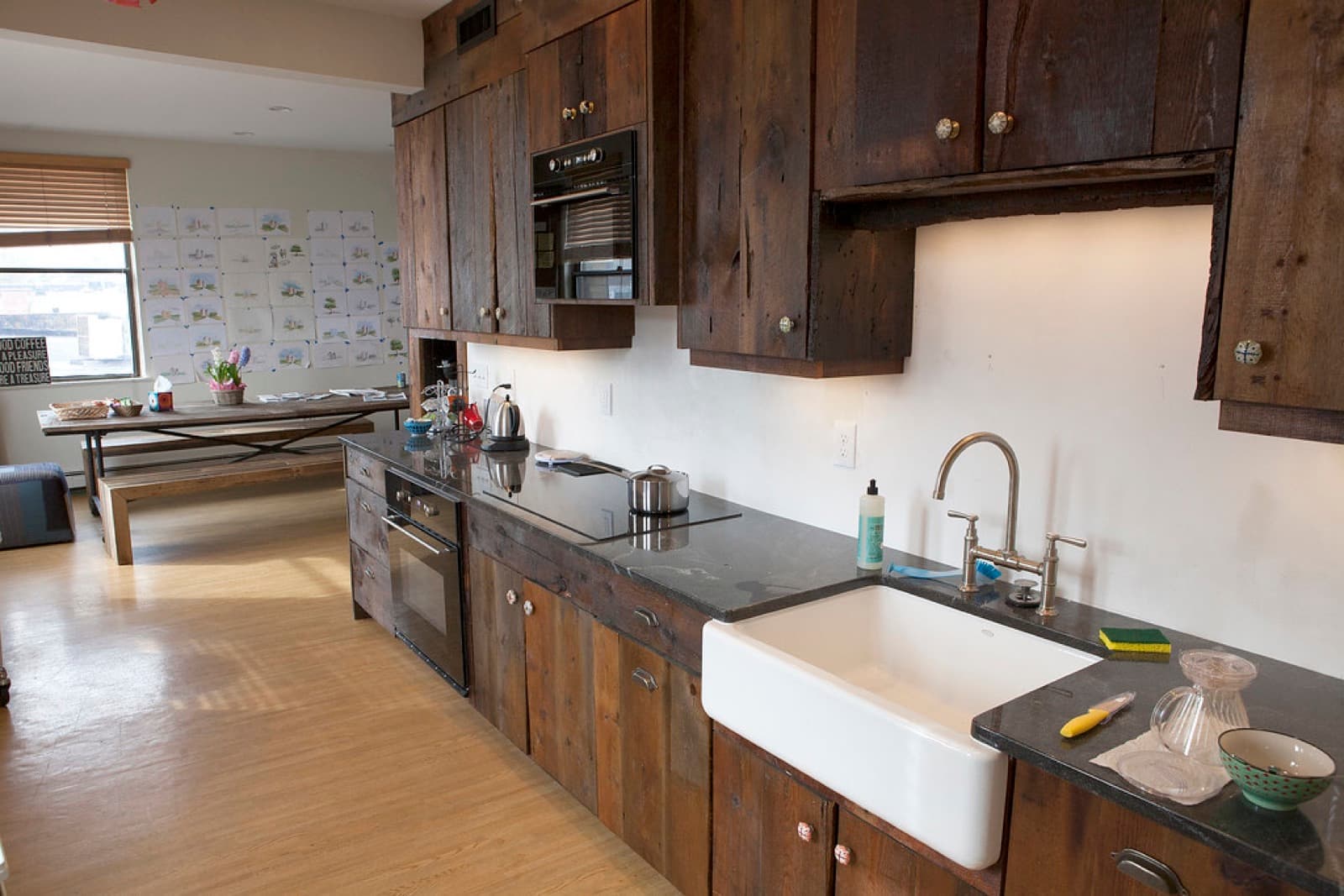
  • Basins or sinks where cracks, tap holes, and waste sizes are checked.

Usually better to buy new

These are not ideal beginner salvage purchases.

  • Structural timber, steel beams, lintels, and load-bearing posts.
  • Fire doors and fire-rated assemblies.
  • Electrical fittings, gas appliances, boilers, and flues.
  • Waterproofing boards, tanking systems, shower trays, and wet-room membranes.
  • Sealants, adhesives, primers, and fillers with shelf-life or compatibility risks.

A mixed approach often works best

You do not have to choose between all-new and all-reclaimed. Many good beginner projects use reclaimed materials where they are visible and new materials where performance matters.

Tiled splashback

Reclaimed tiles for a small splashback, with new adhesive and grout.

Cabinet fronts

Reclaimed cabinet handles on new low-formaldehyde doors.

Shelving

Second-hand timber shelves finished with new low-VOC oil or wax.

Garden edging

Reclaimed bricks over a new drainage layer under the path.

Sink

A reclaimed sink with new taps, waste, washers, and plumber-approved fittings.

Material-by-material rules of thumb

Use reclaimed where condition is visible and performance is simple. Use new where hidden failure would be expensive, unsafe, or hard to diagnose.

MaterialReclaimed can work well forBuy new when
TimberShelves, furniture, panelling, visible trimIt is structural, graded, fire-rated, or exposed to persistent moisture
Brick and stoneGarden edging, paths, decorative repairsIt must match engineered performance or carry structural load
TilesSmall splashbacks, hearths, feature areasYou need guaranteed slip rating, waterproofing, or many matching spares
DoorsInternal character doors and cupboard frontsYou need a certified fire door or exact acoustic performance
SanitarywareBasins and baths you can inspect closelyHidden plumbing, seals, wastes, or safety standards are uncertain

Inspection checklist

Before buying reclaimed, check condition like you will be the person fixing the awkward bits later.

  • Measure carefully and check whether it fits your space and transport.
  • Look for cracks, rot, woodworm, salts, missing parts, and old paint.
  • Smell timber and furniture for damp, smoke, oil, or chemical smells.
  • Ask where it came from and how it has been stored.
  • Buy enough spares for breakage, trimming, and future repairs.

Before you pay

Second-hand bargains become expensive when the size is wrong, collection is awkward, or the missing part is impossible to replace.

  • Check the exact dimensions and whether trimming will expose poor edges.
  • Confirm how heavy it is and whether your vehicle, stairs, and doorway can handle it.
  • Ask if the price includes all pieces, brackets, hinges, fixings, or matching spares.
  • Photograph labels, stamps, maker marks, and any defects before collection.
  • Avoid pressure-buying if you have not checked safety, moisture, or fit.

What to search for on Matera

Search for reclaimed timber, reclaimed bricks, salvaged tiles, architectural salvage, FSC timber, low-formaldehyde boards, low-VOC sealants, and suppliers who explain condition, storage, returns, and compatibility.