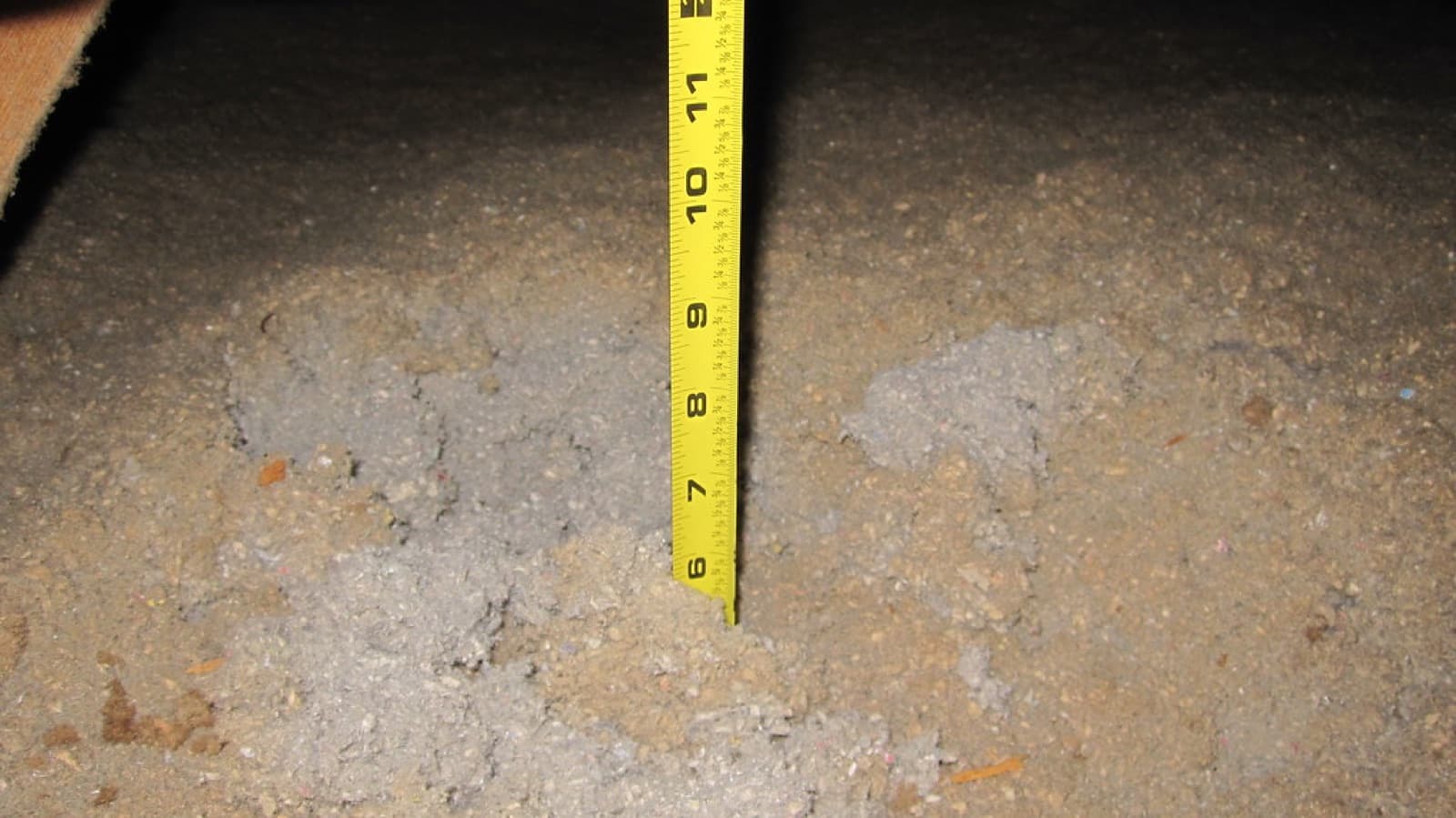
Cellulose Insulation
Recycled paper insulation: how it is installed, how it performs, and what to check
2 min readUpdated November 2026
Save guideWhat is cellulose insulation?
Cellulose insulation is made mostly from recycled paper, shredded into fibres and treated with additives for fire and pest resistance. It is usually blown, injected, or damp-sprayed into place by trained installers, which helps it fill irregular spaces around joists, pipes, and cables.
How does it perform?
Declared thermal conductivity is typically about 0.038-0.040 W/mK and varies by product and installation method. One UK product, for example, declares 0.038 W/mK when dry installed and 0.039 W/mK when sprayed with moisture.
| Topic | Detail |
|---|---|
| Thermal | Compare the declared value for the installation method you will use. |
| Density | Follow the required density for the application. It affects performance and settling. |
| Moisture | Hygroscopic and vapour open, so it can work in breathable build-ups if the design allows it. |
Installation methods
Installation quality has a big effect on performance, so ask how the installer checks the result.
Open blown
- Typical use
- Horizontal lofts
- What to check
- Settled depth, eaves ventilation, and access boards
Dense pack
- Typical use
- Closed timber frame walls, sloped roofs, and floors
- What to check
- Density, membrane strength, and voids
Damp spray
- Typical use
- Open wall cavities
- What to check
- Moisture content, drying time, and adhesion
Tip. Ask for density records from the job. Weighing the bags used and comparing them with the filled volume is a simple check that a cavity holds the required amount.
Fire class and additives
Fire class depends on the product and how it is installed. Published examples range from B-s2, d0 to E, so check the current documents for the exact product rather than assuming all cellulose is the same. It is also important to keep insulation clear of flues, recessed lights, and other hot services, following the manufacturer's instructions.
Formulations differ. If you want to avoid a specific substance, ask for a safety data sheet and full ingredient information.
Where it works best
Cellulose is good at filling awkward spaces, as long as the space is suitable and can be properly contained.
Lofts
Good- Check
- Ventilation, roof leaks, and settled depth
Timber frame walls and cassettes
Good- Check
- Dense pack density, fire, and airtight layer
Sloped roofs
Good- Check
- Membranes, ventilation, and moisture design
Suspended timber floors
Possible- Check
- Containment and subfloor ventilation
Masonry cavity walls
Check- Check
- Product approval, wall condition, and exposure
Damp or leaking structures
Unsuitable until fixed- Check
- Repair first and allow drying
Trade-offs
You usually need a trained installer and specialist equipment. Dust needs controlling during installation. Cellulose must be kept dry and well contained, as loose material can settle if the density is wrong and is messy to remove from a closed cavity.
Check for a product-specific EPD rather than assuming its carbon figure, as additives and transport still count.
Using Matera
Ask suppliers for recycled content, declared conductivity, required density, fire class, and additives, plus whether they can recommend trained installers near your project. Compare installed prices, as the cost of labour matters more here than with roll insulation.
Useful links
Sources
Where the facts in this guide come from. Standards and guidance change, and some sources are suppliers or trade sites, so check the original before relying on a detail.
Related guides
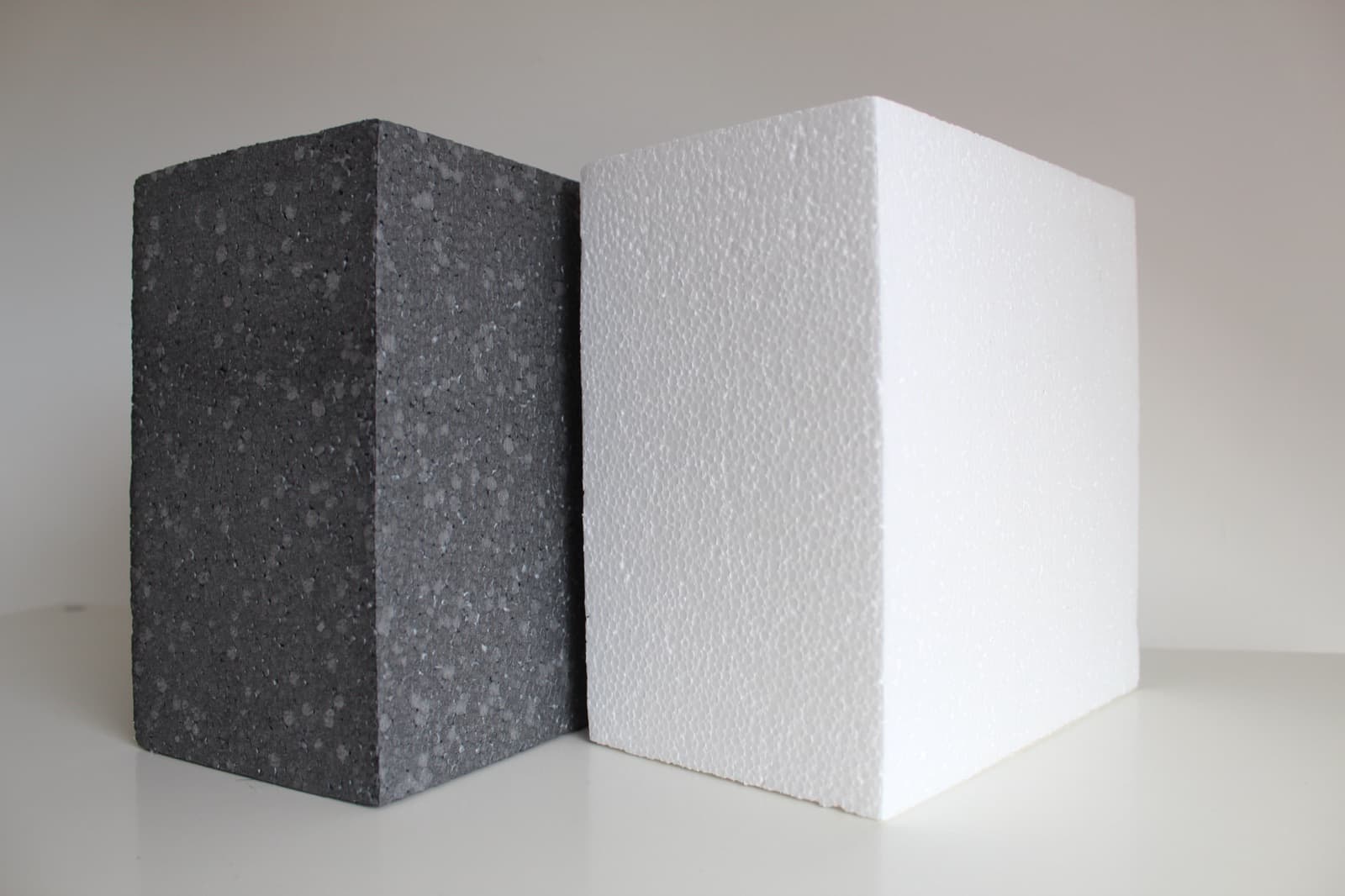
How to Compare Insulation Materials
A practical framework for choosing insulation by performance, carbon, and cost
How to Compare Insulation Materials
A practical framework for choosing insulation by performance, carbon, and cost
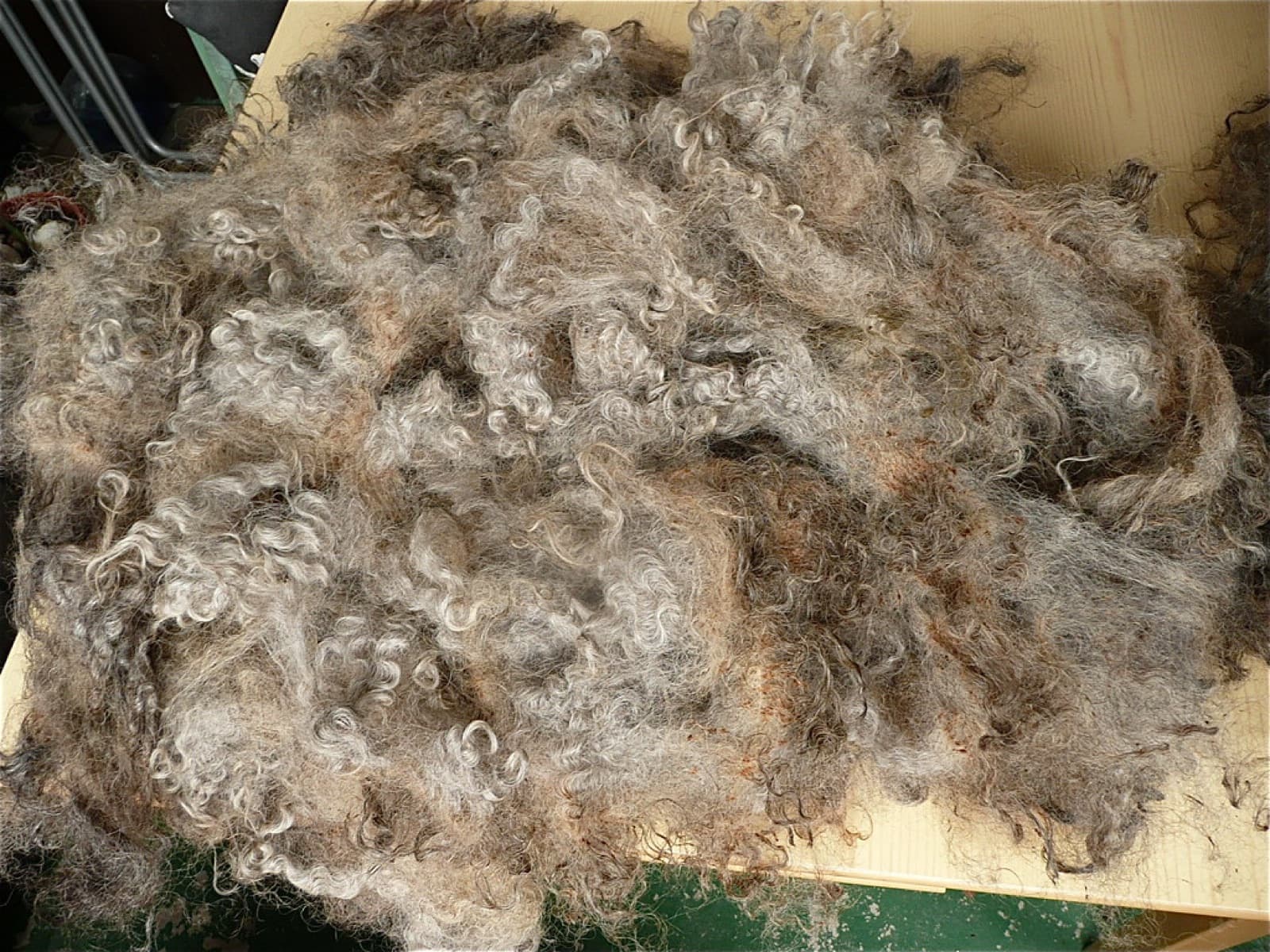
Sheep's Wool Insulation
How it performs, where it works, and what to check on the label
Sheep's Wool Insulation
How it performs, where it works, and what to check on the label
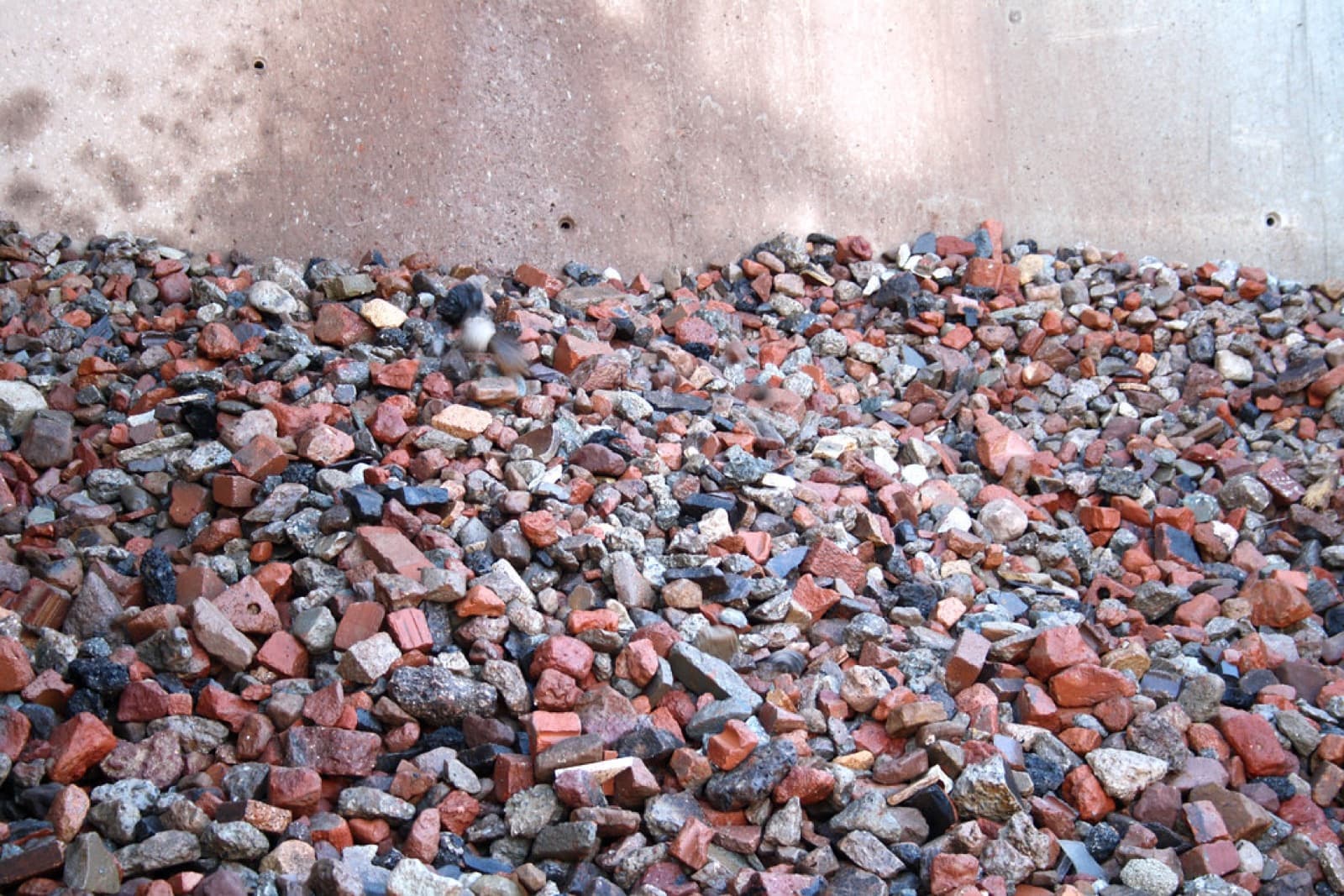
Recycled Content Explained
What the percentages mean and how to compare them fairly
Recycled Content Explained
What the percentages mean and how to compare them fairly
Alternatives to PIR Insulation
Lower-impact insulation options, and when to specify each one
Alternatives to PIR Insulation
Lower-impact insulation options, and when to specify each one