Material
Lime Mortars, Renders & Plasters
Which lime to use, where it works, and what its carbon claims really mean
3 min readUpdated November 2026
Save guideWhat is lime?
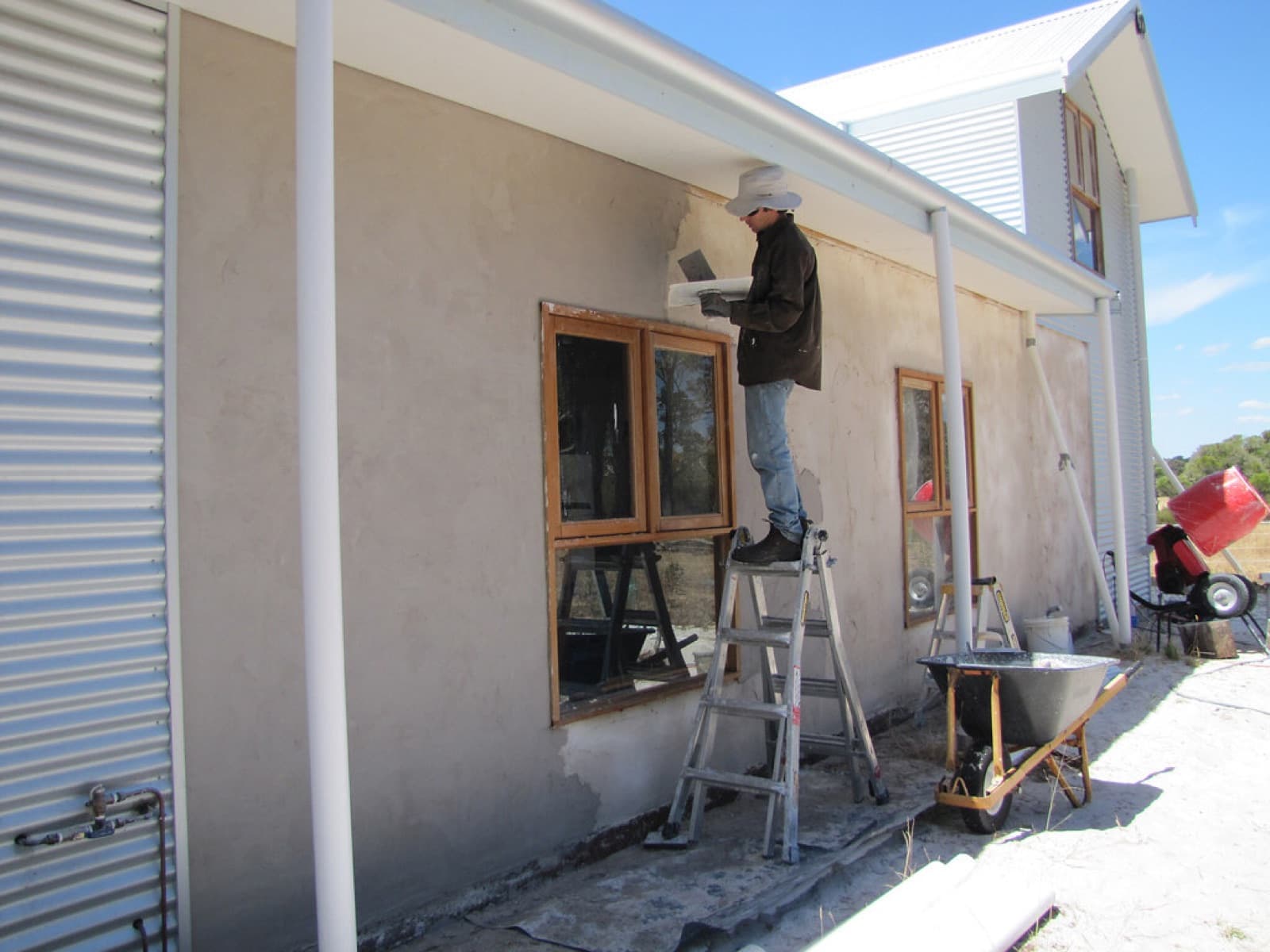
Lime is made by heating limestone or chalk, driving off carbon dioxide to produce quicklime, and then combining it with water. Mixed with sand, it makes mortars, renders, and plasters.
Lime remains popular for repairing older buildings because it is generally softer and more vapour permeable than cement. It can let a wall release moisture and accommodate small movements.
Types of lime
The right type depends on exposure, the wall, and how quickly the work needs to gain strength. Stronger is not automatically better, particularly with soft bricks and stone.
Lime putty or hydrated lime (non-hydraulic)
- How it sets
- Slowly, by absorbing CO2 from the air
- Typically used for
- Plaster, limewash, and sheltered conservation work
- Keep in mind
- Slow to harden and needs protection
Hot-mixed lime
- How it sets
- Mainly by carbonation
- Typically used for
- Conservation mortars and repairs
- Keep in mind
- Hot, so needs experienced handling
NHL 2
- How it sets
- Water and air
- Typically used for
- Soft masonry and internal work
- Keep in mind
- Weakest of the natural hydraulic grades
NHL 3.5
- How it sets
- Water and air
- Typically used for
- General mortar and render
- Keep in mind
- Check it suits the masonry
NHL 5
- How it sets
- Water and air
- Typically used for
- Exposed locations and damp conditions
- Keep in mind
- Can be too strong for soft masonry
Formulated or premixed lime
- How it sets
- Varies
- Typically used for
- Convenience and consistency
- Keep in mind
- Ask what the binder contains, as it may include cement
NHL numbers refer to the minimum 28-day compressive strength in MPa under BS EN 459-1.
Mortar, render, and plaster
Each use has different demands, but the general principle is to choose a mix that is no stronger or less permeable than the masonry needs.
| Topic | Detail |
|---|---|
| Repointing | Match the existing mortar where appropriate. Mortar should be the sacrificial part of the wall, so the bricks or stones do not take the damage. |
| Render | Usually applied in several coats, with each one allowed to cure. It needs sound detailing at the top, base, and openings. |
| Plaster | Traditional three-coat systems take time, while premixed products can simplify the work. |
| Limewash | A thin breathable finish that needs periodic renewal. |
Watch out. Cement repairs on older walls can trap moisture and speed up decay. Before you repoint or re-render, find out what is on the wall and why any damp is occurring. For a listed building, check whether consent is required.
Is lime low carbon?
Lime is often described as carbon neutral or even carbon negative. Treat those claims carefully. Making quicklime releases process CO2 of around 0.75 tonnes per tonne before counting kiln fuel. Non-hydraulic lime reabsorbs CO2 as it cures, which offsets part of this over time, but how much and how quickly depends on the product and conditions.
For comparisons, use EPDs with matching declared units and scopes. Published figures vary considerably by product.
Tip. Ask whether a carbon claim includes carbonation, what timescale is assumed, and whether it has been independently verified.
Working with lime
Lime rewards preparation and patience, and most failures come from drying too quickly or frost.
| Topic | Detail |
|---|---|
| Timing | Avoid frost and hot, windy conditions. Allow for this in the programme. |
| Curing | Protect fresh work with hessian or sheeting and keep it damp as advised. |
| Background | Dampen the wall to control suction, and remove loose or unsuitable material. |
| Safety | Lime is caustic. Wear eye and skin protection and keep clean water to hand. Take specialist advice on hot mixing. |
| Skills | For repairs to historic or exposed walls, use someone with lime experience. |
| Sand | Its grading affects performance as well as colour. |
Trade-offs
Lime is not always the better choice. It can cost more in time and labour, and it may be unnecessary in modern cavity construction designed around cement-based products. Where a modern impermeable system is already in place, adding lime alone may not change how the wall behaves.
Using Matera
Tell suppliers about your wall type, exposure, and time of year. Ask for the product's strength class, binder contents, recommended sand and mix, and curing advice, along with an EPD if carbon matters to your project.
Useful links
Sources
Where the facts in this guide come from. Standards and guidance change, and some sources are suppliers or trade sites, so check the original before relying on a detail.
- Repointing Brick and Stone Walls (Historic England)Mortar strength and permeability
- Repointing (SPAB)Sacrificial mortar, and protecting new work from frost, drying, and rain
- Inappropriate cement pointing (SPAB)Why cement can damage older masonry
- Mechanical properties of NHL mortars (University of Bath)Strength classes and variation between products
- Natural hydraulic lime article (Building Conservation Directory)Testing and curing of NHL mortars
- Cement and lime calcination factors (GreenCalculus)The 0.75 t CO2 per tonne process figure
- PAS 2035:2023 (BSI)Lime finishes as vapour-permeable air barriers
Related guides
Concept3 min
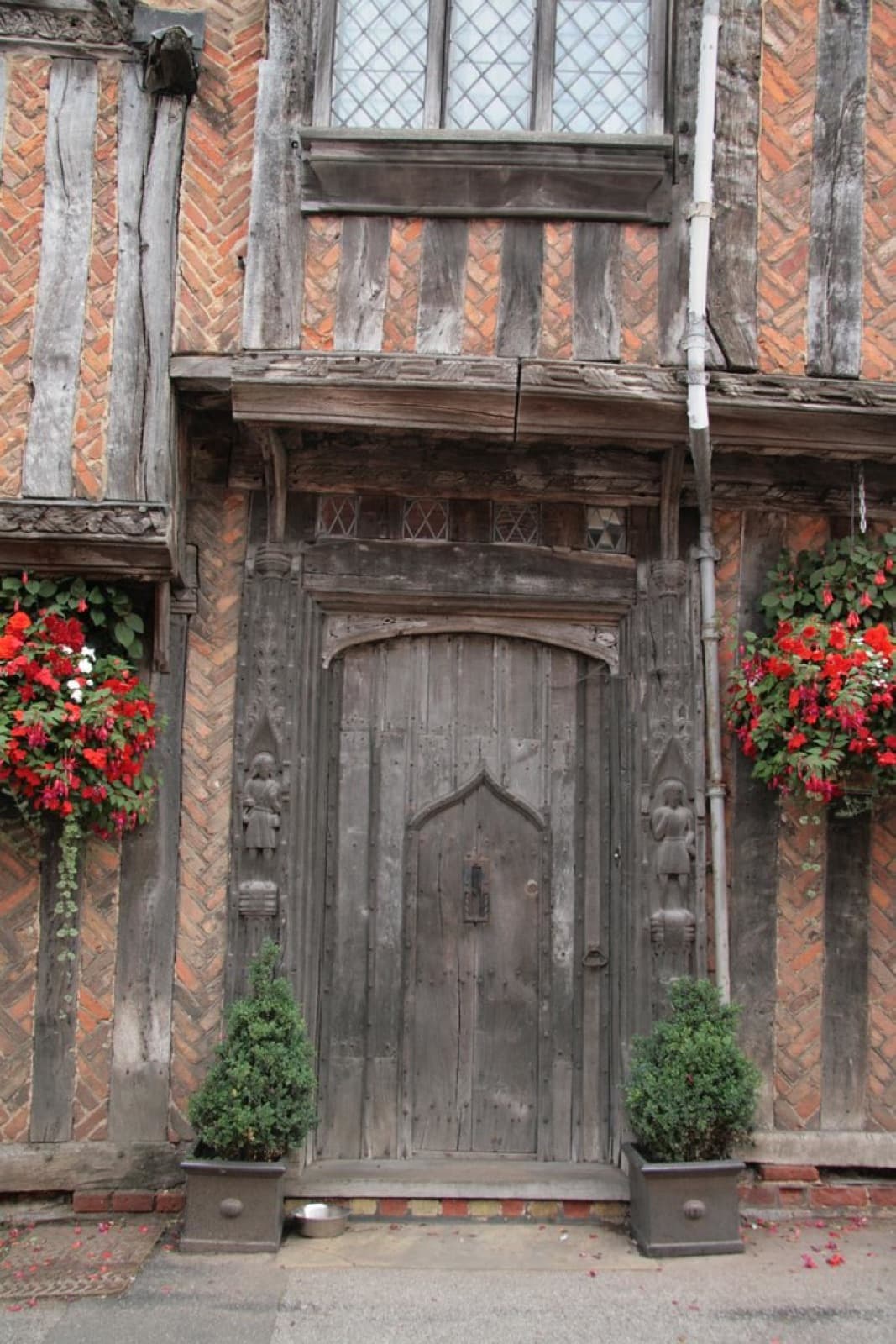
What Breathable Means in an Old House
Old walls, lime, moisture, vinyl paint, cement, insulation, and why trapping water is bad
Concept3 min read
What Breathable Means in an Old House
Old walls, lime, moisture, vinyl paint, cement, insulation, and why trapping water is bad
Material7 min
Natural Paints & Finishes
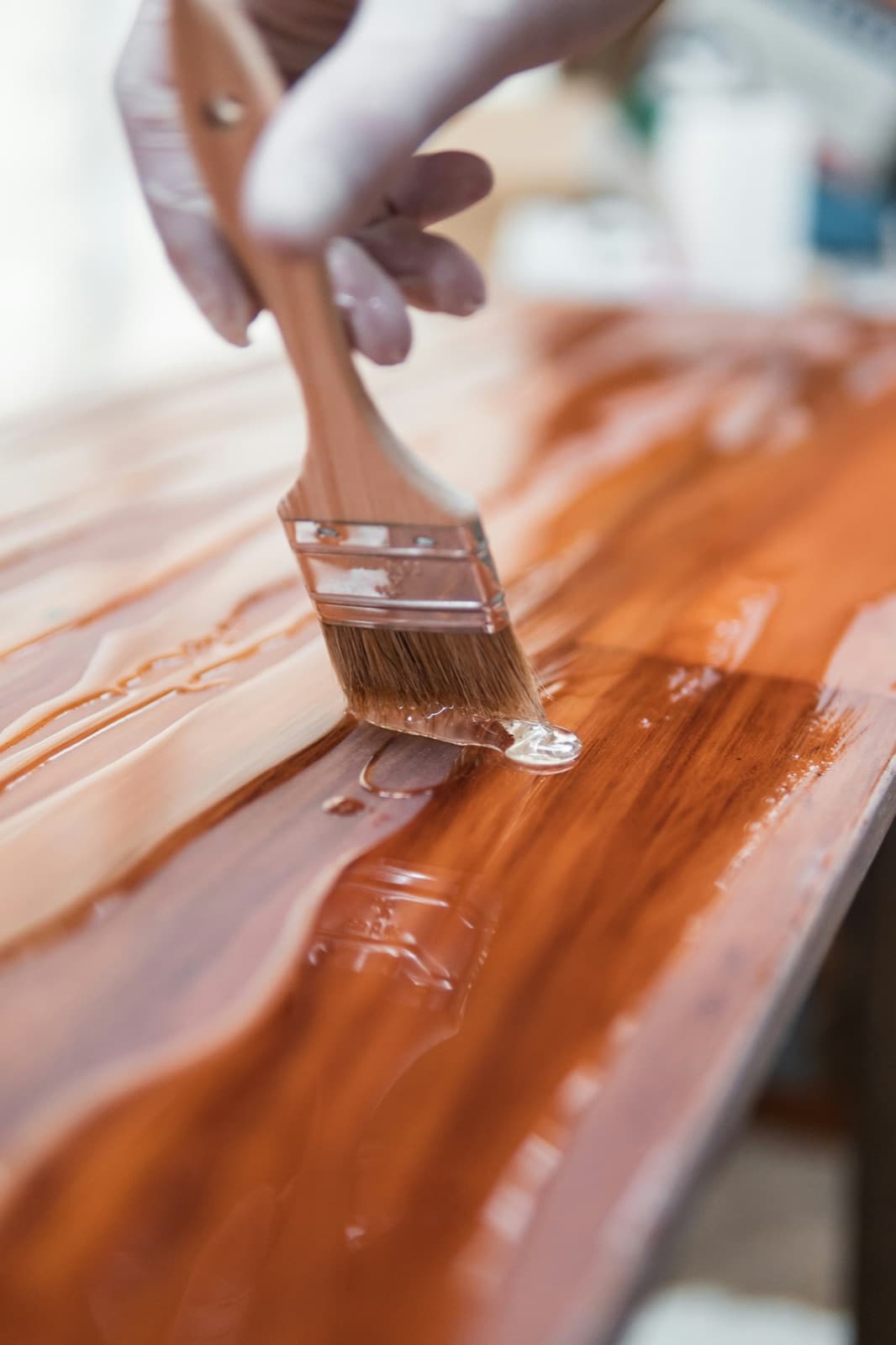
Low-VOC mineral and plant-based alternatives for interiors
Material7 min read
Natural Paints & Finishes
Low-VOC mineral and plant-based alternatives for interiors
Material4 min
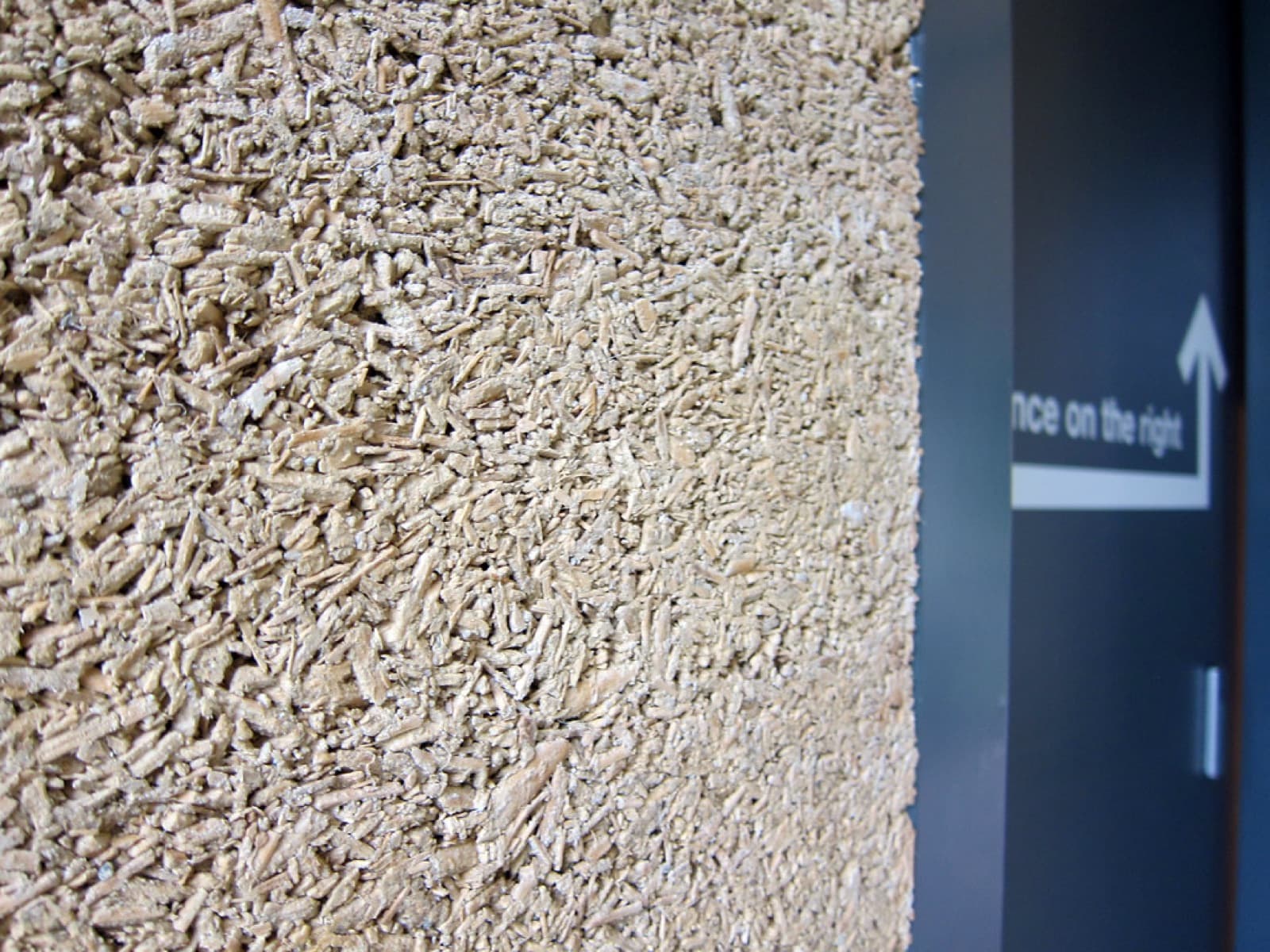
Hempcrete & Hemp-Lime
A carbon-storing insulating wall material
Material4 min read
Hempcrete & Hemp-Lime
A carbon-storing insulating wall material
Concept4 min
Retrofit & PAS 2035
How the UK's whole-home retrofit standard works, and what it means for your materials
Concept4 min read
Retrofit & PAS 2035
How the UK's whole-home retrofit standard works, and what it means for your materials