Concept
Durability & Longevity as Sustainability
Why longer-lasting materials are greener - and how to design for it
7 min readUpdated April 2026
Save guideThe overlooked sustainability metric
When people think about sustainable building materials, they think about recycled content, low embodied carbon, bio-based origins, and certifications. They rarely think about how long the material will last. This is a significant blind spot.
A material with modest embodied carbon that lasts 60 years has a lower lifetime impact than a 'green' material with half the upfront carbon that needs replacing every 15 years. The replacement cycle matters enormously: each replacement carries its own manufacturing, transport, installation, and waste disposal emissions.
Durability is not glamorous. It does not have a certification logo or a marketing campaign. But it is one of the most powerful levers for reducing the total environmental impact of a building over its design life.
Note. A building with a 60-year design life that uses finishes lasting 15 years will go through four complete fit-out cycles. The embodied carbon of those finishes is effectively multiplied by four - a factor that is often completely ignored in early-stage carbon calculations.
How replacement cycles multiply carbon
Lifecycle stage B4 in an EPD covers 'replacement' - the embodied carbon of manufacturing, transporting, and installing replacement materials during the building's reference service life. This stage is frequently omitted from cradle-to-gate (A1-A3) comparisons but can dominate the whole-life carbon picture for shorter-lived products.
- Flooring (15–25 yrs)
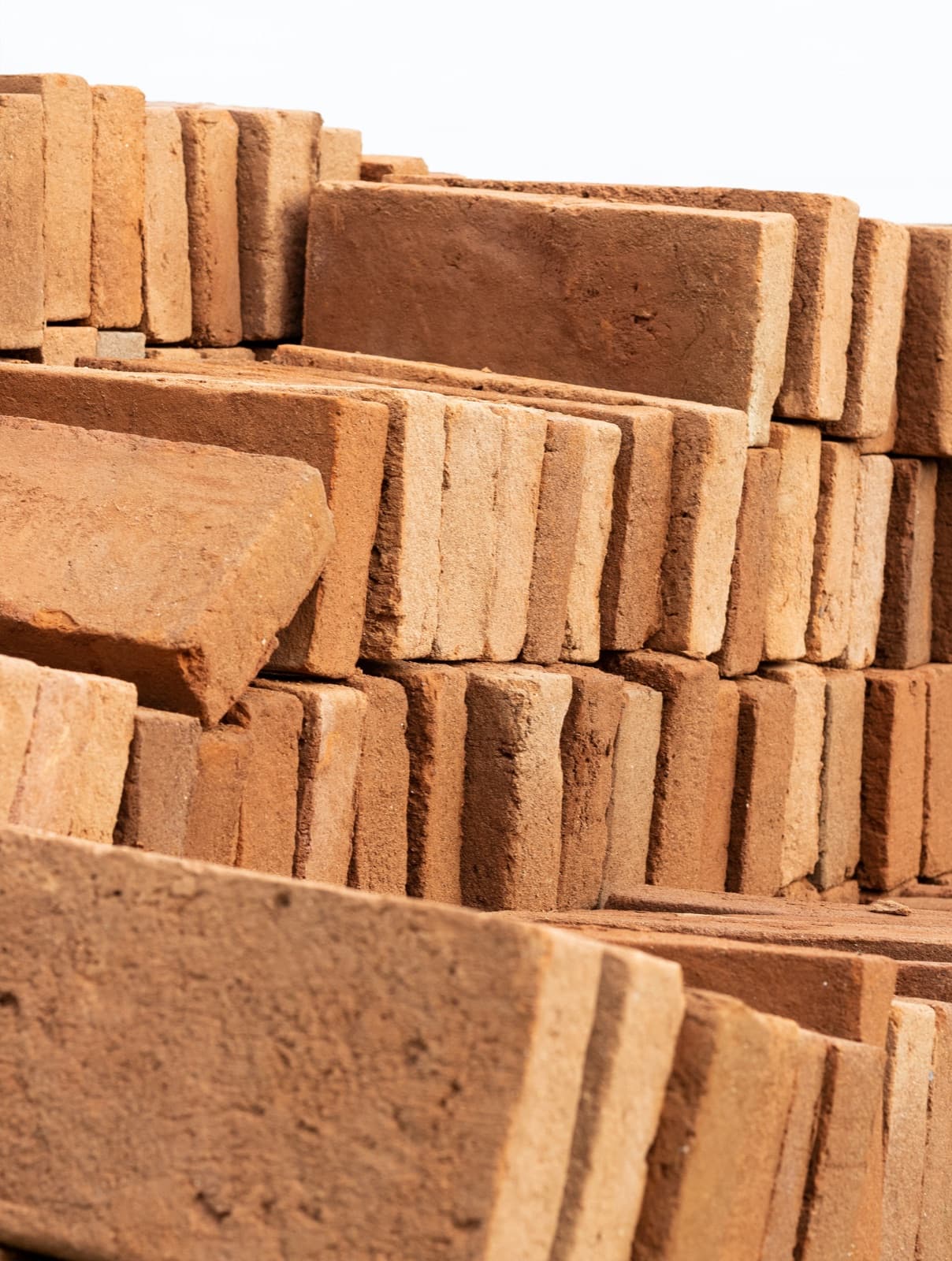
- Carpet and vinyl replaced 2–4 times over a 60-year building life. Stone or brick lasts the distance.
- Cladding (25–40 yrs)
- Timber cladding needs refinishing. Metal and brick are lower-maintenance over decades.
- Sealants (10–20 yrs)
- Membranes and sealants fail silently. Specify for the building's full design life.
- Internal finishes (5–15 yrs)
- Paint cycles add up. Durable finishes like lime plaster reduce lifetime carbon.
- Roofing (30–60 yrs)
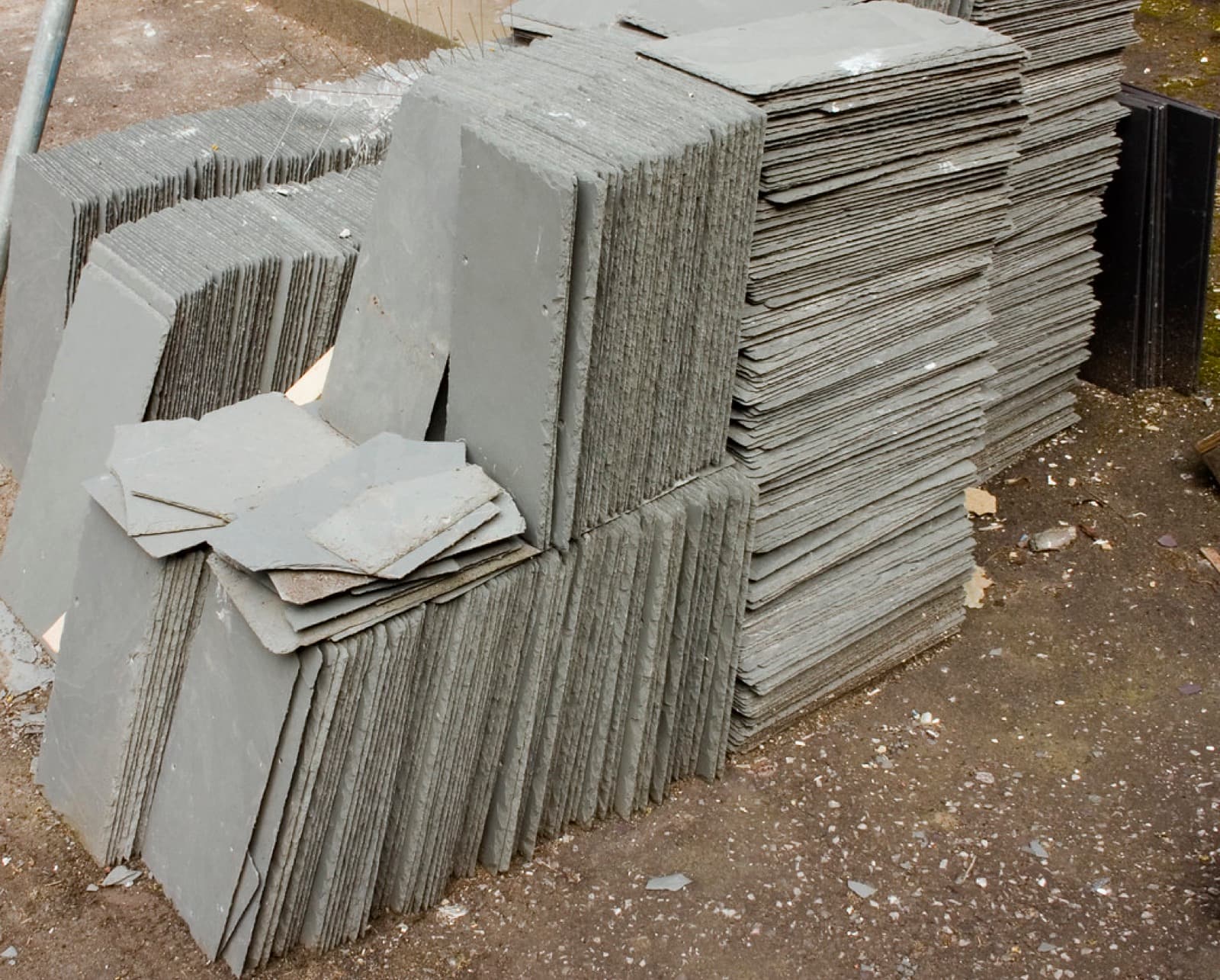
- Slate and clay tile outlast felt and single-ply membranes by decades.
Maintenance vs replacement
Not every material that degrades needs replacing. Some can be maintained, repaired, or refurbished at a fraction of the carbon cost of full replacement. Choosing materials that can be maintained rather than replaced is a durability strategy.
| Topic | Detail |
|---|---|
| Timber | Can be sanded, refinished, and repaired. Damaged sections can be spliced without replacing the whole element. Oil and wax finishes can be reapplied locally without stripping the entire surface. |
| Lime render and plaster | Can be patch-repaired. Unlike cement render, lime is flexible enough to accommodate minor movement without cracking and can be reworked after application. |
| Natural stone | Can be cleaned, repointed, and repaired. Individual damaged stones can be replaced (indented) without disturbing the surrounding wall. Stone is effectively a permanent material if properly detailed. |
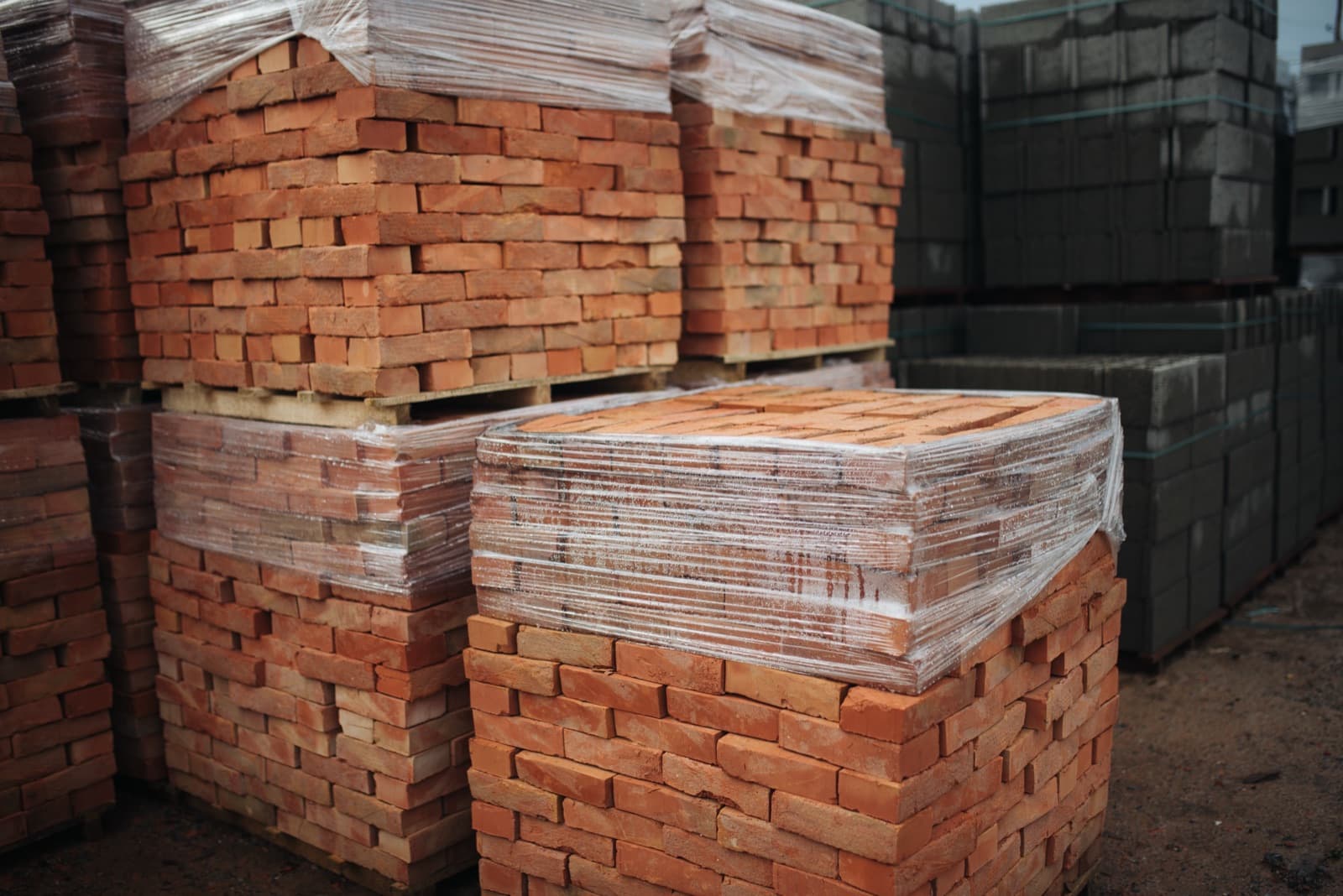
| Brick | Mortar joints can be raked and repointed. Individual bricks can be replaced. Lime mortar (softer than the brick) acts as a sacrificial element, protecting the bricks themselves. |
| Metal roofing and cladding | Zinc, copper, and lead develop protective patinas and can last 60-100+ years. Damaged sections can be cut out and replaced locally. Standing seam systems allow panel replacement without disturbing neighbours. |
Tip. When comparing materials, ask: can this be repaired, or must it be replaced? Materials that support local repair - timber, stone, brick, lime, metal - have fundamentally different lifecycle profiles from materials that require full replacement when damaged.
Design for disassembly
Design for disassembly (DfD) is the practice of designing buildings and components so that they can be taken apart at end of life and the materials recovered for reuse or high-quality recycling. It extends material life beyond the first building.
DfD does not require exotic technology. It requires thoughtful detailing and a preference for mechanical connections over chemical bonds.
Use mechanical fixings
Bolts and screws over adhesives. Enables future separation and reuse.
Avoid composites
Multi-material sandwiches can't be separated. Keep materials distinct.
Use standard sizes
Standard dimensions maximise reuse potential in future buildings.
Create material passports
Document what's in the building so future teams know what can be recovered.
Design for access
Make fixings reachable. Hidden connections become permanent connections.
How to specify for longevity
These practical principles help you integrate durability thinking into material specification without defaulting to the most expensive option for everything.
| Topic | Detail |
|---|---|
| Match durability to the building's design life | A temporary pavilion designed for 5 years does not need 100-year materials. A school designed for 60 years does. Match the material to the intended service period. |
| Invest in durability where replacement is difficult | Structure, substructure, and envelope elements are expensive and disruptive to replace. Prioritise longevity here. Internal finishes that can be swapped cheaply during refurbishment can tolerate shorter lifespans. |
| Detail for weather and moisture | Most material failures are moisture-related. Proper detailing (drips, overhangs, DPCs, ventilated cavities) extends material life far more than choosing a premium product with poor detailing. |
| Specify for the real environment | A timber species that is durable in a sheltered courtyard may fail rapidly on an exposed coastal elevation. Match the material to the actual microclimate, not the laboratory test conditions. |
| Include reference service life in carbon comparisons | When comparing two materials, divide whole-life carbon by the number of years of service. This gives a per-year carbon cost that accounts for replacement cycles. |
| Challenge premature replacement culture | Many materials are replaced for cosmetic reasons long before they reach functional failure. Design for patina and graceful ageing. Materials that look better with age (copper, oak, weathering steel, lime plaster) avoid unnecessary replacement cycles. |
Note. The RIBA Plan of Work Stage 7 (Use) is where durability decisions play out. Building owners rarely think about embodied carbon, but they care deeply about maintenance costs. Framing durability as a cost strategy as well as a carbon strategy makes it more compelling.
Useful links
- EPD InternationalLargest public EPD registry. Useful for benchmarking before commissioning your own.
- BRE Global EPDsUK-based EPD programme operator widely used for construction products.
- IBUInstitut Bauen und Umwelt - German programme operator widely accepted across Europe.
- FSC chain of custodyRequirements, fees, and the route to finding an accredited certifier.
- PEFC for businessesUK PEFC guidance on getting certified and a directory of certification bodies.