Concept
DIY Basics for Solid-Wall Homes
How to make older walls warmer without trapping moisture
6 min readUpdated July 2026
Save guideStart with the wall you actually have
Many UK homes built before the 1920s have solid brick, stone, or rubble-filled walls rather than modern cavities. These walls often manage moisture by absorbing and releasing it. That is why some modern waterproof layers, hard cement repairs, and sealed insulation systems can make damp worse rather than better.
For DIYers, the safest first move is diagnosis. Is the wall cold but dry? Is there condensation? Is rain getting in from outside? Is ground moisture rising? Different problems can look similar from inside the room.
Watch out. Do not cover persistent damp with insulation or lining boards until the source is understood. You can hide the symptom while making the wall less able to dry.
Good first projects
You can improve comfort without immediately committing to major internal wall insulation.
Draught-proof the gaps
Doors, windows, loft hatches, and service penetrations are quick comfort wins.
Top up the loft
Add loft insulation where access is safe and ventilation is maintained.
Repaint breathably
Use breathable paint or limewash on older walls instead of sealing them further.
Repair with lime
Small cracks in lime plaster want compatible lime filler, not hard gypsum.
Soften cold windows
Thick curtains, shutters, or thermal blinds reduce radiant cold near glazing.
Start with the problem, not the product
Solid-wall homes can be cold, damp, draughty, or all three. The right material depends on which problem you are actually solving.
| Symptom | Often worth checking first | Material route later |
|---|---|---|
| Cold but dry wall | Draughts, loft insulation, heating pattern, window comfort | Wood fibre, cork, or other designed internal/external insulation |
| Mould in corners | Condensation, ventilation, furniture tight to walls | Breathable paint after moisture source is managed |
| Damp after rain | Gutters, render cracks, pointing, roof edges, ground levels | Lime repair or external fabric work before internal finishes |
| Flaking vinyl paint | Trapped moisture or incompatible coating | Careful stripping, lime/clay/mineral finish if wall is suitable |
| High heating bills | Whole-house heat loss, airtightness, loft, floor, windows | Retrofit plan rather than one isolated board layer |
Materials that often suit solid-wall retrofit
When insulation is needed, vapour-open materials are often more forgiving for old buildings because they allow some drying rather than relying on a perfect plastic vapour barrier.
- Wood fibre boards
- Common for internal or external wall insulation, often finished with lime or clay plaster.
- Cork boards
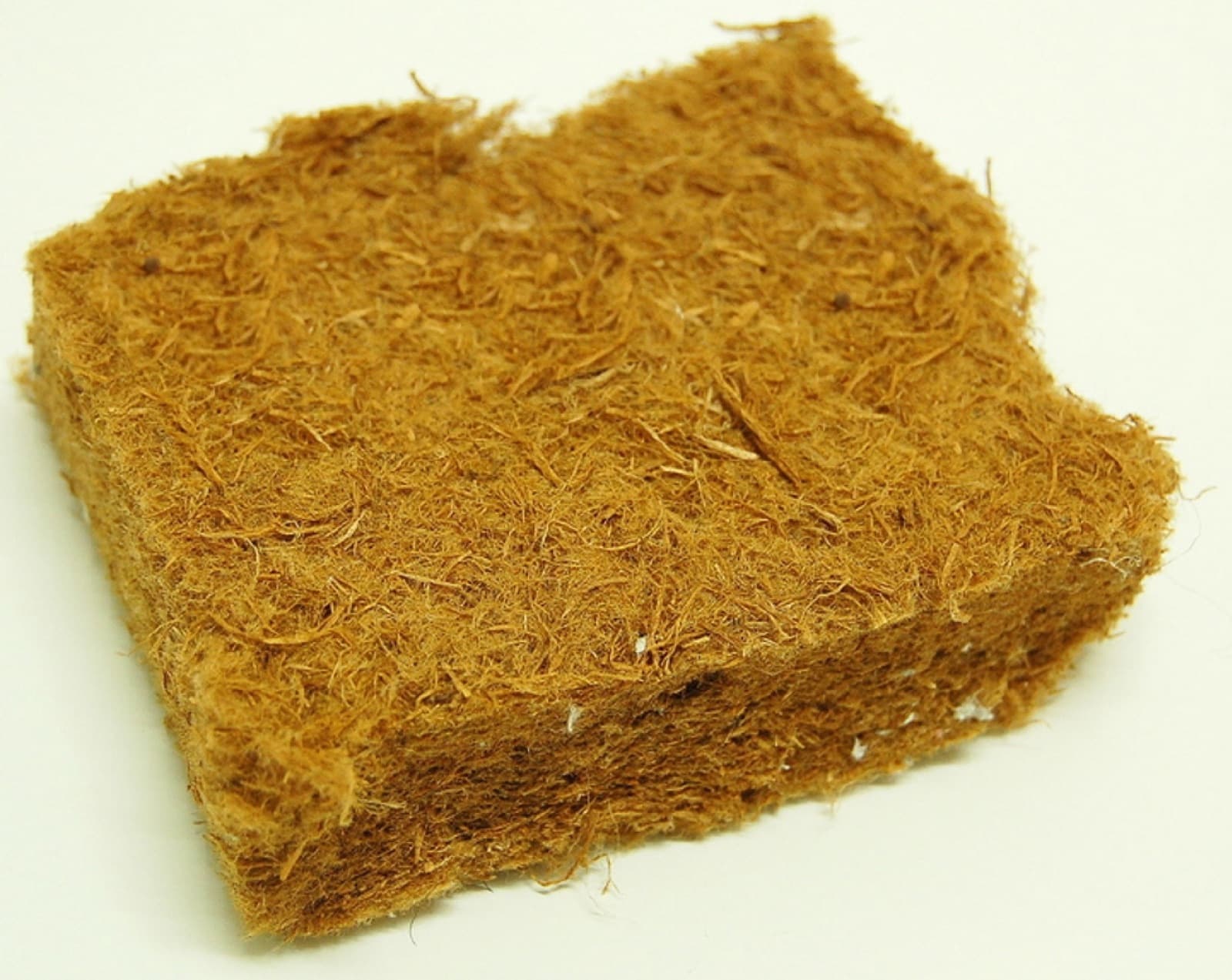
- Moisture-resistant, breathable, and useful where durability matters.
- Calcium silicate boards
- Useful for some damp-risk internal applications, though not a cure for water ingress.
- Lime plaster
- Repairable and compatible with many older walls.
- Clay plaster
- Good for internal humidity buffering on suitable substrates.
When to bring in a professional
Some retrofit decisions are too consequential for guesswork. A little expert input can prevent expensive damage.
- Listed buildings or conservation areas
- Black mould, salts, crumbling plaster, or recurring damp patches
- Internal wall insulation on a whole room or whole house
- External wall insulation, render replacement, or roof junction changes
- Any work that affects gas appliances, ventilation, electrics, or fire safety
Beginner retrofit mistakes
Most damage comes from trapping water, removing ventilation, or covering symptoms before understanding the cause.
- Adding insulated plasterboard to a damp external wall without checking rain, salts, or condensation.
- Using cement filler or render on soft brick, stone, cob, or lime-built walls.
- Blocking air bricks, vents, fireplaces, or gaps without a ventilation plan.
- Mixing random breathable products and assuming the whole system is moisture-safe.
- Ignoring junctions around floors, ceilings, windows, sockets, and skirting where cold bridges appear.
- Treating a dehumidifier reading as a diagnosis rather than a clue.
Questions to ask suppliers
A good supplier should be able to explain where their product works, where it does not, and what system it belongs to.
- Is this suitable for solid brick or stone walls?
- What plaster, adhesive, primer, or render is compatible with it?
- How does the wall dry after installation?
- Do you have installation guidance for DIYers or small contractors?
- What are the common failures you see on site?
What to search for on Matera
Search for wood fibre insulation, cork insulation, lime plaster, clay plaster, breathable membranes, natural paints, and retrofit-compatible boards. Prioritise suppliers who publish installation guidance and clearly explain moisture compatibility.
Useful links
- EPD InternationalLargest public EPD registry. Useful for benchmarking before commissioning your own.
- BRE Global EPDsUK-based EPD programme operator widely used for construction products.
- IBUInstitut Bauen und Umwelt - German programme operator widely accepted across Europe.
- FSC chain of custodyRequirements, fees, and the route to finding an accredited certifier.
- PEFC for businessesUK PEFC guidance on getting certified and a directory of certification bodies.