Alternatives to Plasterboard
Lower-carbon, healthier options for internal linings and finishes
7 min readUpdated April 2026
Save guideWhy look beyond plasterboard?
Plasterboard (gypsum board) is the dominant internal lining material in UK construction - lightweight, easy to install, fire-resistant, and inexpensive. So why would you consider alternatives?
The environmental case centres on three issues: the embodied carbon of gypsum mining and calcination, the difficulty of recycling plasterboard from mixed demolition waste (contaminated gypsum in landfill produces hydrogen sulphide gas), and the opportunity to use internal linings that actively improve indoor air quality through moisture buffering.
There are also performance arguments. Plasterboard has almost no thermal mass and poor moisture buffering capacity. In airtight modern buildings, this can contribute to overheating and humidity problems. Materials with greater hygroscopic capacity can help regulate indoor environments passively.
Clay boards and clay plaster
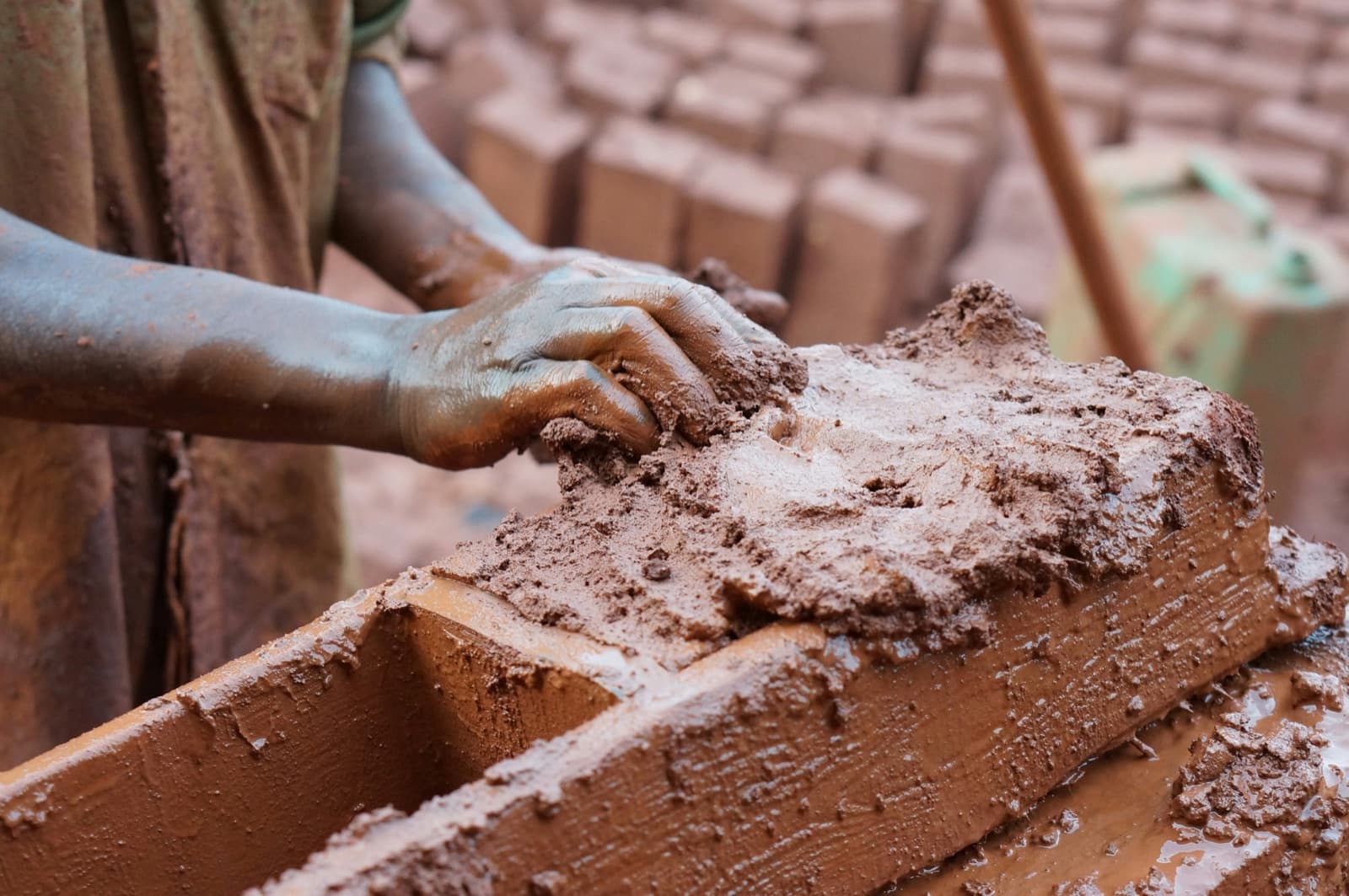
Clay boards are manufactured from unfired clay, typically reinforced with plant fibres and backed with a jute mesh. They are installed similarly to plasterboard - screwed to timber or metal studs - and finished with clay plaster.
Clay plaster can also be applied in 2-3 coats directly over a suitable substrate (masonry, straw bale, or over a base board). It provides a beautiful, tactile finish with excellent moisture-buffering properties.
| Topic | Detail |
|---|---|
| Best for | Airtight buildings, straw bale and hempcrete homes, projects prioritising indoor air quality and natural materials |
| Moisture buffering | Outstanding - clay can absorb and release 6-8 times more moisture than gypsum plasterboard |
| Embodied carbon | Approximately 40-60% lower than plasterboard (no calcination required) |
| Trade-offs | Heavier than plasterboard, more expensive (2-3x material cost), requires specialist finishing skills for plaster application |
Tip. Clay plaster is particularly effective in bedrooms and bathrooms where humidity fluctuates. It can stabilise indoor relative humidity within the 40-60% range that is optimal for health and comfort.
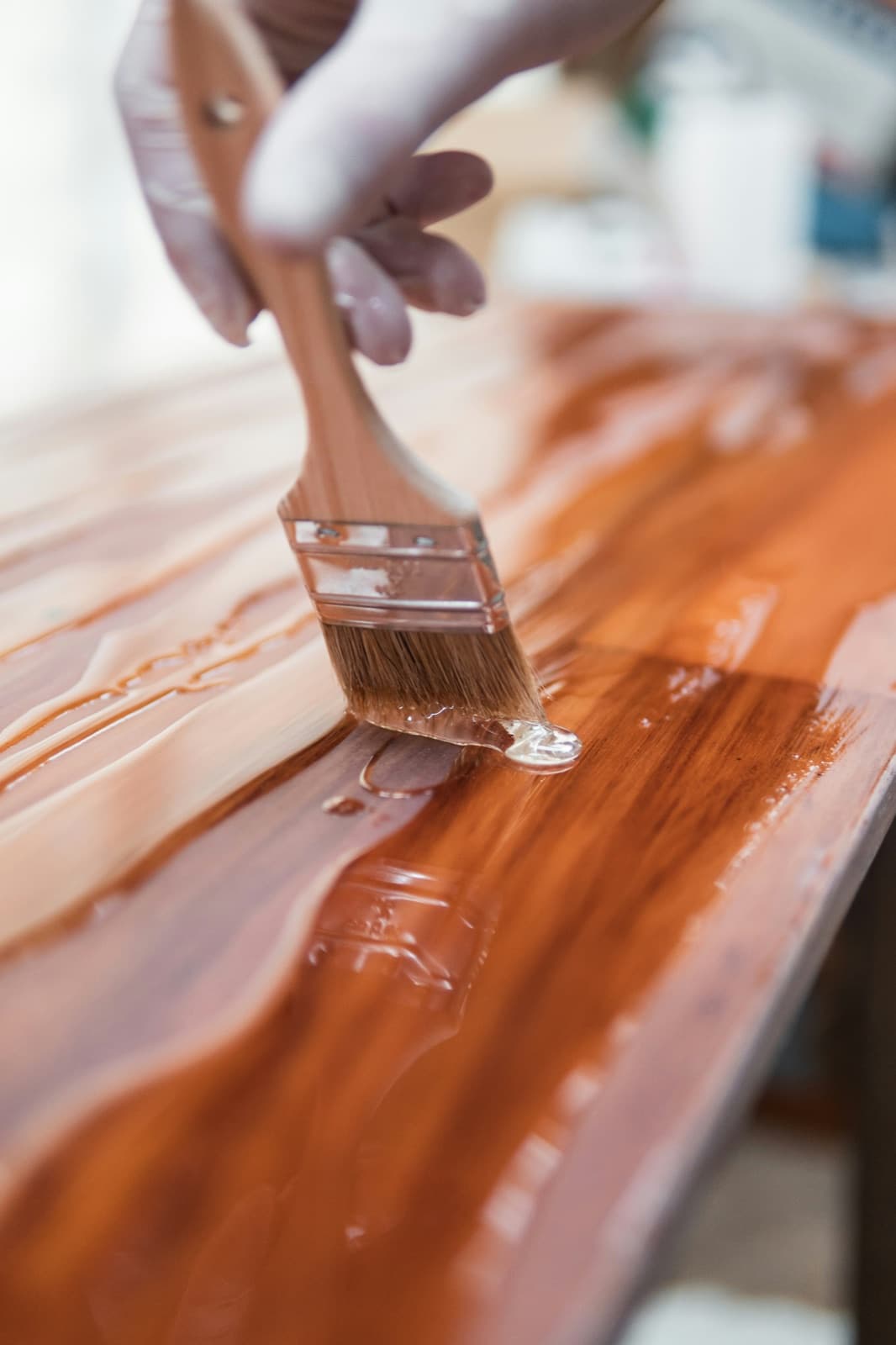
Lime plaster
Lime plaster is one of the oldest building finishes, made from slaked lime (calcium hydroxide) mixed with sand and sometimes animal hair or plant fibre for reinforcement. It is applied in multiple coats over masonry, lath, or base boards.
Lime plaster is breathable (vapour-permeable), antibacterial, and absorbs CO2 from the atmosphere as it carbonates over time. It is the natural partner for heritage buildings, rammed earth, straw bale, and hempcrete - all materials that require breathable finishes to manage moisture safely.
| Topic | Detail |
|---|---|
| Best for | Heritage buildings, breathable wall systems (hempcrete, straw, rammed earth), exposed masonry |
| Breathability | Highly vapour-permeable - essential for moisture-safe performance in breathable wall assemblies |
| Embodied carbon | Moderate - lime production requires kiln firing, but the binder reabsorbs CO2 as it cures |
| Trade-offs | Slow curing (weeks to months), requires skilled application, sensitive to frost during curing, higher labour cost |
Magnesium oxide (MgO) boards
Magnesium oxide boards are manufactured from magnesium oxide, magnesium chloride, and reinforcing fibres (typically glass fibre mesh). They offer fire resistance, moisture resistance, and mould resistance that exceeds conventional plasterboard.
MgO boards gained popularity as a fire-safe alternative to plasterboard, particularly after tightening fire regulations. They are non-combustible (Euroclass A1 or A2), dimensionally stable when wet, and resistant to termites and fungal growth.
| Topic | Detail |
|---|---|
| Best for | Fire-rated applications, wet areas, high-humidity environments, external sheathing (some grades) |
| Fire performance | Euroclass A1-A2 (non-combustible) - superior to standard plasterboard |
| Moisture resistance | Does not lose structural integrity when wet, unlike gypsum board |
| Trade-offs | Heavier than plasterboard, variable quality between manufacturers (some early imports had quality issues), limited UK recycling infrastructure, higher embodied carbon than clay alternatives |
Watch out. MgO board quality varies significantly between manufacturers. Early imports from some overseas suppliers suffered from excessive moisture absorption and efflorescence. Specify boards tested to EN standards and request independent test certificates.
Wood fibre internal boards
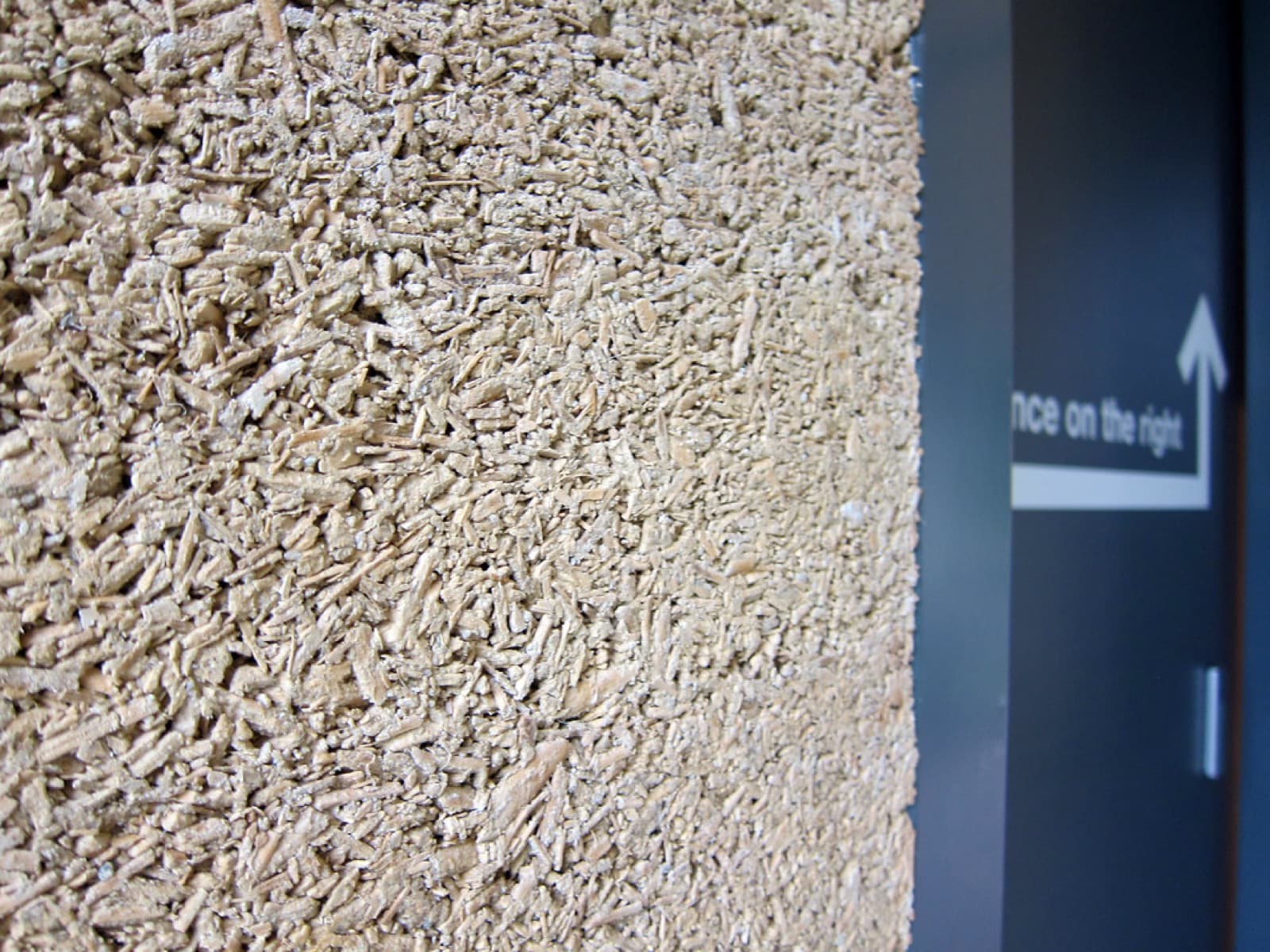
Wood fibre boards designed for internal lining offer a bio-based alternative to plasterboard. They provide thermal insulation, moisture buffering, and acoustic absorption in a single layer. Some products are designed as direct plasterboard replacements, screwed to studs and finished with clay or lime plaster.
| Topic | Detail |
|---|---|
| Best for | Timber frame buildings, projects seeking bio-based internal linings, rooms requiring acoustic absorption |
| Thermal insulation | Provides additional insulation value beyond that of the main wall build-up |
| Acoustic performance | Better sound absorption than plasterboard due to fibrous, open structure |
| Trade-offs | More expensive than plasterboard, thicker for equivalent structural performance, limited fire rating without additional protection |
How to choose
The best alternative depends on the wall system, project priorities, and budget.
| Topic | Detail |
|---|---|
| For breathable walls (hempcrete, straw, rammed earth) | Lime plaster or clay plaster are the natural choices - never use cement render or vinyl-faced boards on these walls |
| For indoor air quality | Clay boards and clay plaster offer the best moisture buffering and are free of synthetic chemicals |
| For fire performance | MgO boards offer superior non-combustible ratings |
| For embodied carbon | Unfired clay boards typically have the lowest embodied carbon of all options |
| For cost-sensitive projects | Consider lime or clay plaster over masonry substrates where the wall structure is already in place |
| For retrofit | Lime plaster is often the most appropriate choice for older buildings with solid walls |
Useful links
- EPD InternationalLargest public EPD registry. Useful for benchmarking before commissioning your own.
- BRE Global EPDsUK-based EPD programme operator widely used for construction products.
- IBUInstitut Bauen und Umwelt - German programme operator widely accepted across Europe.
- DeclareProduct-ingredient transparency label. Lighter alternative when a full C2C is out of scope.