DIY Natural Wall Finishes
A beginner-friendly guide to clay paint, limewash, and breathable finishes
5 min readUpdated July 2026
Save guideWhy natural finishes are a good DIY starting point
Paint is one of the easiest ways for a homeowner to make a room feel better without changing the building fabric. Natural wall finishes are especially appealing because they can reduce indoor air pollutants, soften the look of a room, and help older walls keep breathing.
For DIYers, the trick is not to buy the most specialist product first. Start with the room, the wall surface, and how much wear the finish needs to handle. A bedroom wall, a kitchen splash zone, and an old lime-plastered cottage wall all want different answers.
Quick choices by project
Use this as a first filter before you get lost in product names.
- Bedroom or living room refresh
- Clay paint is usually the easiest natural option - soft matte finish, forgiving for beginners.
- Old stone, brick, or lime plaster
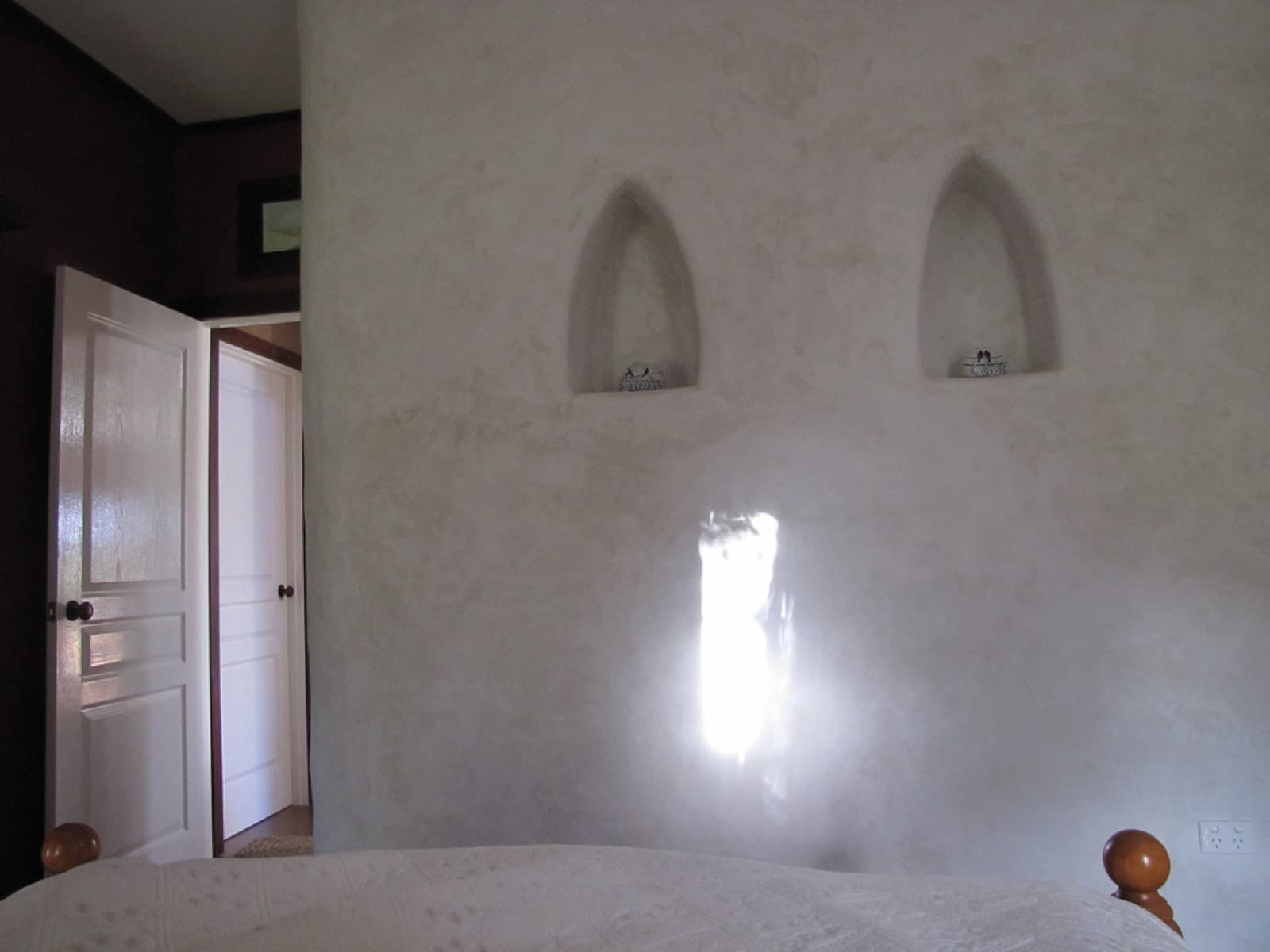
- Limewash or mineral silicate paint keeps the wall vapour-open and avoids trapping moisture.
- Bathroom with occasional humidity
- Choose a breathable paint designed for bathrooms, and improve ventilation before blaming the finish.
- Wood shelves, doors, furniture
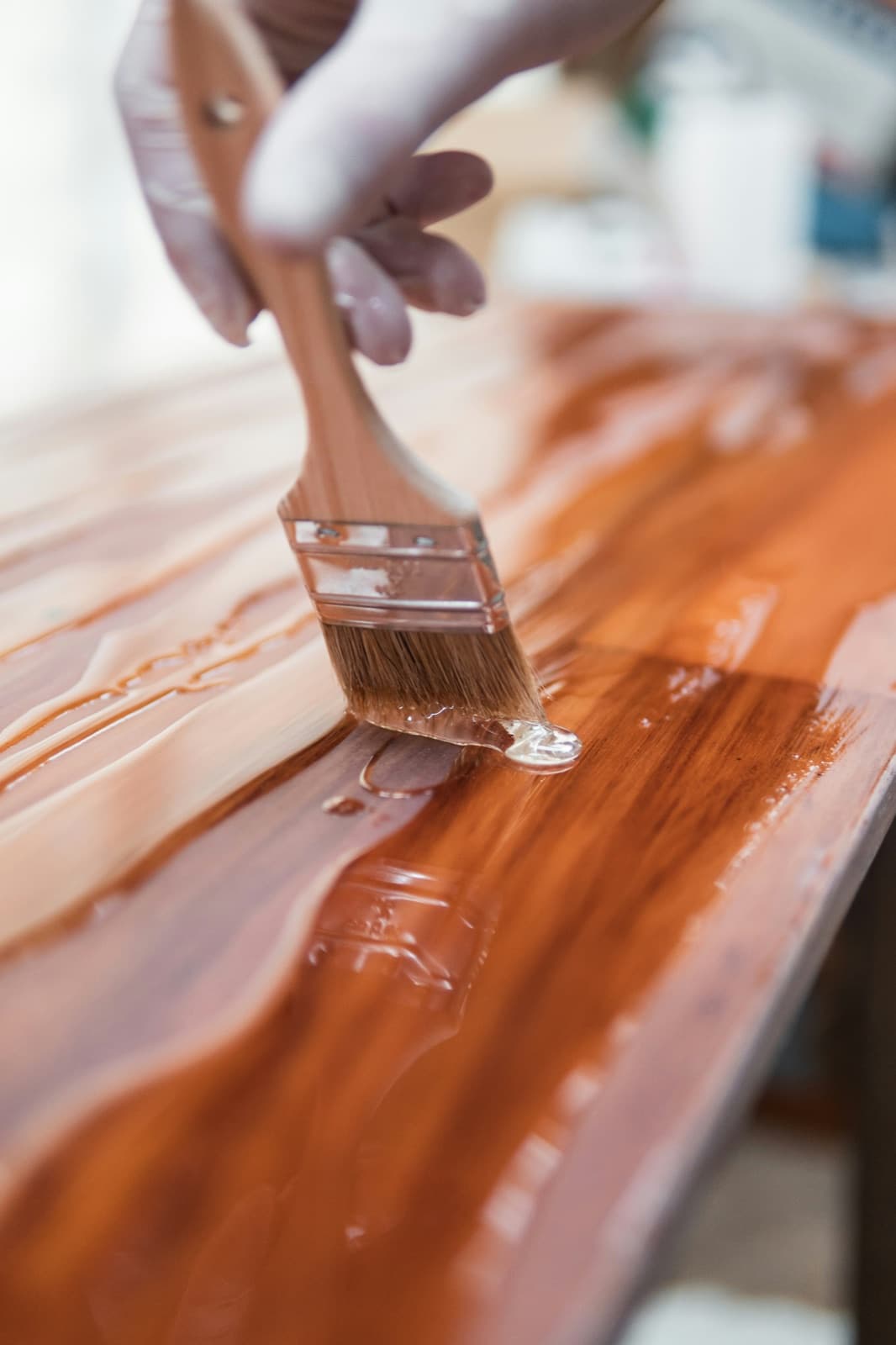
- Plant oil or hard-wax oil is easier to repair than a plastic film varnish.
- High-scuff hallway
- A durable low-VOC washable paint, if a delicate clay finish will annoy you in daily use.
Tip. For a first DIY project, clay paint on a bedroom or living room wall is the lowest-drama entry point. Limewash is beautiful, but it asks more of the wall and the person applying it.
Prep matters more than the paint
Most natural finishes fail because the surface was dusty, sealed, glossy, damp, or painted with something incompatible. Before buying paint, clean a small area, check whether the wall is sound, and work out what is already on it.
If the surface is modern plasterboard or standard emulsion, clay paint is usually straightforward with the right primer. If the wall is old masonry, lime plaster, or has signs of damp, avoid vinyl-heavy paints and look for breathable systems.
Clean the surface
Brush off dust and loose material before any primer goes on.
Fill cracks compatibly
Old lime walls usually want lime-based repair, not hard gypsum filler.
Do a sample patch
Let it dry fully before judging the colour.
Check the primer advice
Follow the manufacturer's guidance for your surface rather than guessing.
Never paint over active damp
Fix the source first - paint will not solve a damp problem.
Match the finish to the surface
Natural finishes are easier when the surface and finish agree with each other. Use this as a quick compatibility check before buying full tins.
| Surface | Usually easier | Be careful with |
|---|---|---|
| Modern plasterboard | Clay paint or low-VOC paint with recommended primer | Limewash without a specialist primer |
| Lime plaster | Limewash, clay paint, mineral paint, breathable paint | Vinyl paint, hard fillers, sealed primers |
| Old brick or stone | Limewash or mineral paint on suitable masonry | Painting over salts, damp, dust, or friable faces |
| Timber furniture | Plant oil, hard-wax oil, casein paint where suitable | Thick film varnish on damp or dirty timber |
| Bathrooms | Ventilation first, then moisture-suitable low-VOC or breathable systems | Assuming natural paint is waterproof |
Simple tools list
You do not need a specialist kit for most beginner natural finishes, but the right basic tools make the result look calmer.
- Good masking tape and dust sheets
- Sugar soap or mild cleaner for greasy surfaces
- Filler and a flexible filling knife
- Medium-pile roller for clay paint
- Large masonry brush for limewash
- Clean water mister for limewash on absorbent walls
- Sample pots before buying full tins
Common DIY mistakes
Natural finishes are not difficult, but they are less forgiving of rushed decisions than standard emulsion.
- Choosing limewash for plasterboard without a compatible primer
- Painting a damp wall and expecting the finish to solve the damp
- Skipping sample patches; natural pigments can dry lighter or softer than expected
- Using shiny synthetic filler on a breathable wall
- Expecting one-coat coverage from clay paint or limewash
Troubleshooting after the first coat
Do not panic if the first coat looks uneven. Many natural finishes settle after the second coat, but some signs tell you the prep needs fixing.
| Topic | Detail |
|---|---|
| Patchy clay paint | Check whether the wall suction is uneven or the primer is missing. |
| Powdery limewash | The coat may be too thick, the wall too dry, or the temperature too hot. |
| Paint lifting old coating | The existing paint may be glossy, dusty, or incompatible. |
| Colour looks wrong | Wait until fully dry and check in daylight before deciding. |
| Mould comes back | Investigate humidity, ventilation, leaks, and cold surfaces rather than blaming the paint. |
What to search for on Matera
Look for clay paints, limewash, mineral silicate paints, natural primers, breathable fillers, and plant-based wood oils. For older homes, check supplier notes for compatibility with lime plaster, brick, stone, and solid walls.