Insulation
Compare sustainable insulation materials from UK suppliers, including wood fibre, cork, hemp, cellulose, sheep wool, and mineral wool products.
Insulation influences operational energy, summer comfort, moisture behaviour, buildability, and the embodied impact of an envelope. The right product depends on the whole wall, roof, or floor build-up rather than thermal conductivity alone.
Live insulation listings
Insulation suppliers
AT
A10 Timber Co.
A10 Timber, Hertfordshire
Family-run timber and sheet-material merchant based at Barwick Ford, near Ware, Hertfordshire.
Cladding & FacadesLandscaping & Outdoor+4
AR
AK Rubber & Industrial Supplies Ltd
18 Twyford Business Centre, Hertfordshire
Bishop’s Stortford supplier of acoustic panels, cork-rubber underlay, thermal-break materials and rubber, foam and plastic sheets.
Acoustic PanelsInsulation+1
No materials listed yet
AA
Arthur Acoustics
Unit 13 Kingfisher Park
Specialist acoustic insulation installer for walls, floors and ceilings, serving London, Hertfordshire and Bedfordshire.
Finishes & CoatingsInsulation

Back to Earth
7 Tuns Lane, Devon EX5 4HY
Sustainable building materials supplier with wood fibre insulation, wall, roof and floor insulation, airtightness tapes and membranes.
Bio-Based ProductsFinishes & Coatings+1

Celtic Sustainables
Celtic House
Natural insulation supplier offering sheep wool, hemp and other thermal or acoustic natural insulation products.
Bio-Based ProductsFinishes & Coatings+1

EcoMerchant
National Self Build & Renovation Centre
Sustainable building materials supplier with natural and eco insulation, including sheep's wool and breathable products.
Bio-Based ProductsInsulation
HA
HA Acoustics
HIC113 ARU Arise
Acoustic consultancy and testing practice supporting sound insulation specification in South Hertfordshire and the South East.
Insulation
HD
Hancocks Drainage & Building Supplies
Unit 6Opening hours
Builders' merchant in Bishop's Stortford supplying building materials, timber, drainage, roofing and landscaping products, with delivery within 15 miles.
Timber & WoodInsulation+8
IT
ICE Thermal Insulation
Jubilee House
Thermal insulation installers serving Hertford, working with mineral wool, phenolic foam, Armaflex Class O and fibreglass.
Insulation
What to compare before specifying
Thermal and moisture performance
Compare conductivity, density, vapour resistance, and suitability for the intended construction build-up—not simply nominal thickness.
Evidence and composition
Look for product-specific EPDs, clear binder and additive information, certification, and a declared basis that permits like-for-like comparison.
Installation and availability
Check format, handling, lead time, delivery area, waste factors, and whether an experienced installer is needed for the chosen system.
Frequently asked questions
Which insulation material is the most sustainable?
There is no universal winner. Impact depends on thermal performance, quantity, service life, manufacturing, transport, installation waste, and what happens at end of life. Compare products against the same functional requirement and declared unit.
Can natural insulation replace PIR?
Wood fibre, cellulose, cork, hemp, and wool can replace PIR in many assemblies, but they often need a different thickness and moisture strategy. Confirm fire, condensation, structural, and space constraints for the particular build-up.
What information should an insulation supplier provide?
Ask for thermal conductivity, density, fire classification, vapour or moisture data, relevant certificates, installation guidance, and an EPD or other transparent carbon source where available.
Related guides
Material6 min read
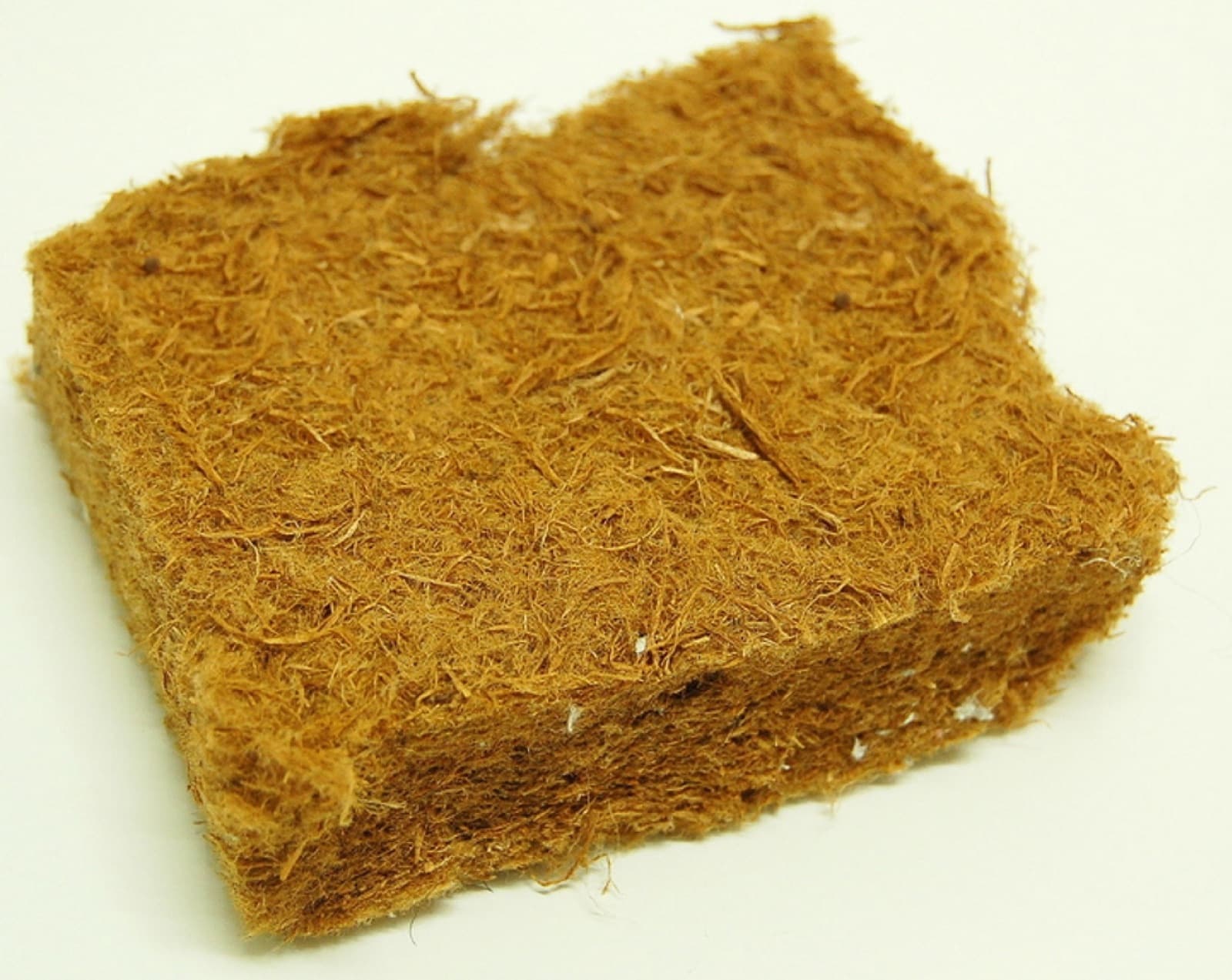
Wood Fibre Insulation
A low-impact alternative to PIR and mineral wool
Alternatives7 min read
Alternatives to PIR Insulation
Lower-impact insulation options, and when to specify each one
Concept7 min read
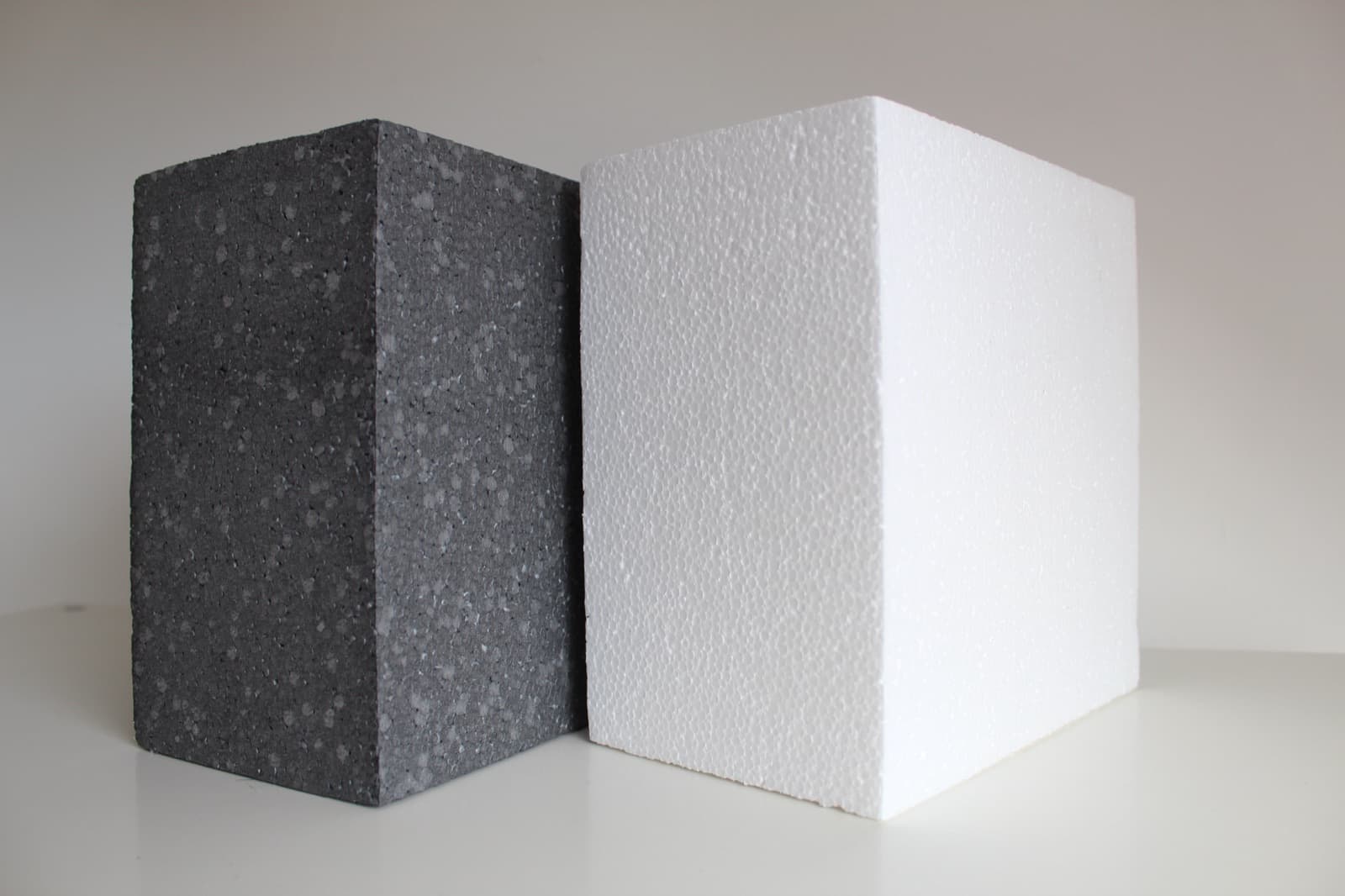
How to Compare Insulation Materials
A practical framework for choosing insulation by performance, carbon, and cost