Masonry & Stone · Clay bricks
Reclaimed bricks
Herts Architectural Salvage·Pursley Farm
In Stock
Request quote
The case for building with materials from closer to home
6 min readUpdated April 2026
Save guideThere is no single definition of local in construction. It might mean materials quarried in the same county, manufactured in the same country, or sourced within a few hundred miles of the building site. The useful question is not where the boundary sits, but how far each material has actually travelled.
A practical approach is to think in tiers. Hyper-local means the material comes from within roughly 30 miles - salvaged brick from a nearby demolition, stone from a regional quarry, timber from a local woodland. National means manufactured domestically, even if raw materials were imported. Each tier reduces transport distance and the carbon, cost, and risk that come with it.
Hyper-local
Within ~30 miles
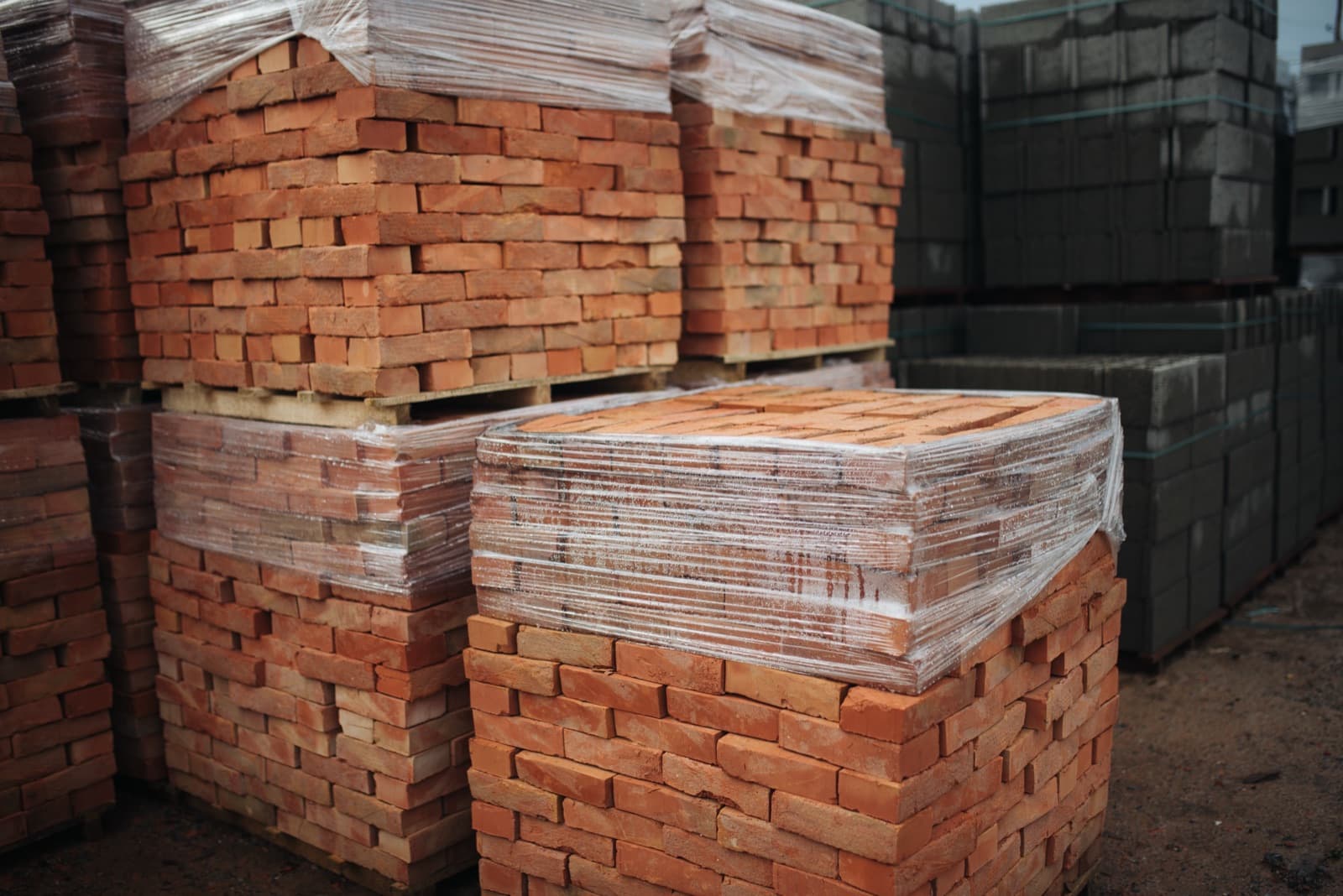
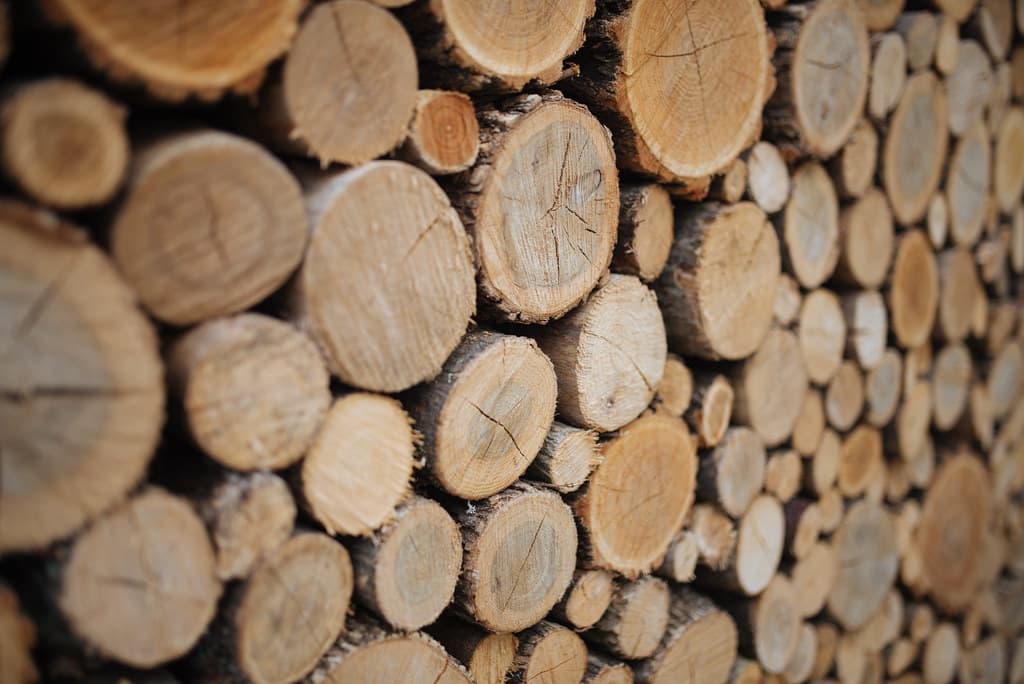
Salvaged brick from a nearby demolition, stone from a regional quarry, timber from a local woodland. Lowest transport carbon.
Regional
Same region or county
Manufactured within your region. Short road delivery, easy to audit, familiar with local building traditions.
National
Same country
Made domestically, even if raw materials were imported. Still avoids international shipping and customs delays.
Transport emissions are often a small fraction of a material's total embodied carbon, but they are also the easiest to reduce. A pallet of bricks driven 40 miles from a regional brickworks has a fundamentally different transport footprint from one shipped from mainland Europe.
The bigger carbon benefit is indirect. Local manufacturers are easier to audit, more likely to hold verified EPDs relevant to your market, and more responsive to specification questions. When you can visit a factory in person, sustainability claims become verifiable rather than aspirational.
By the numbers. Transport typically accounts for 5–15% of a material’s embodied carbon - but for heavy, low-value materials like aggregates, bricks, and stone, that percentage can be much higher.
The case for local sourcing extends well beyond emissions. Shorter supply chains bring practical advantages that affect programme, cost, and risk on every project.
| Topic | Detail |
|---|---|
| Faster lead times | Regional suppliers can often deliver within days rather than weeks |
| Lower transport costs | Fewer miles means lower haulage charges, especially for bulk materials |
| Supply chain resilience | Less exposure to international shipping delays, port congestion, and currency fluctuations |
| Regional economic impact | Spending stays in local economies, supporting jobs and skills in your area |
| Material suitability | Locally produced materials often suit regional building traditions, climates, and planning requirements |
| Easier quality control | Site visits, sample collection, and supplier relationships are simpler when the factory is nearby |
Not every material needs to be local. The biggest wins come from heavy, bulky products where transport is a significant cost and carbon factor. Focus local sourcing efforts where the impact is greatest.
Tip. On Matera, check the supplier profile for their location and delivery radius. Many suppliers highlight their regional focus and can advise on transport options for your site.
Local sourcing is a preference, not a rule. Some materials simply are not produced domestically, and insisting on local alternatives can lead to worse outcomes if performance, durability, or suitability is compromised.
High-performance glazing, specialist membranes, and certain insulation products may only be manufactured in a handful of factories globally. In these cases, the embodied carbon of the product itself dwarfs the transport component, and the best environmental choice is the best-performing product regardless of origin.
Building a local supply chain takes intention but not revolution. Start with the materials where local options already exist and expand from there.
Map your heavy materials first
Identify which products travel furthest and cost most to transport. These are your biggest wins.
Talk to regional suppliers early
Many smaller manufacturers don't appear in national catalogues but welcome direct enquiries.
Use Matera's location filters
Browse suppliers by region to discover verified local options you may not have known about.
Specify local where practical
Include local sourcing preferences in tender documents and material schedules.
Track and report
Document the origin of key materials for BREEAM Mat credits or client sustainability reporting.