Modern Methods of Construction (MMC) & Sustainability
How offsite, modular, and prefabricated construction affects material choices and carbon
7 min readUpdated April 2026
Save guideWhat are modern methods of construction?
Modern methods of construction (MMC) is an umbrella term for construction techniques that move work from the building site into a controlled factory environment. The spectrum ranges from fully volumetric modular buildings (complete rooms manufactured and delivered to site) to panelised systems (wall, floor, and roof panels assembled on site) and component-level sub-assemblies.
The MHCLG (Ministry of Housing, Communities and Local Government) defines seven MMC categories, from Category 1 (3D primary structural systems - volumetric modules) through to Category 7 (site-based process improvements). Categories 1-5 involve physical offsite manufacture; categories 6-7 are about process innovation.
MMC is not new - prefabrication has existed in various forms for over a century. What has changed is the precision of digital design tools (BIM), the sophistication of factory production, and the growing recognition that construction must industrialise to meet housing targets, carbon targets, and skills shortages simultaneously.
Sustainability advantages of MMC
Factory-based construction offers several sustainability advantages over traditional site-based methods, though the scale of benefit depends on the specific system and how well it is executed.
| Topic | Detail |
|---|---|
| Waste reduction | Factory production generates 50-70% less waste than equivalent site-based construction. Material is cut precisely using CNC equipment, offcuts are recycled within the factory, and there is no weather-related material damage. WRAP data shows typical MMC waste at 5-10% of material input, compared to 15-25% for traditional construction |
| Programme speed | Faster construction reduces the duration of site energy use, temporary works, and welfare facilities. A modular building can be enclosed 60-70% faster than a traditional build, reducing the A5 (construction) carbon impact |
| Quality and airtightness | Factory conditions allow much tighter tolerances than site-based work. This translates into better airtightness (reducing operational energy) and fewer defects (reducing rework and material waste) |
| Transport efficiency | While modules must be transported from factory to site, the consolidation of deliveries and reduction in site vehicle movements often results in fewer total transport emissions |
| Design for disassembly | Modular and panelised systems can be designed for future disassembly and relocation, supporting circular economy principles. Some modular buildings have been successfully relocated and reused |
By the numbers. WRAP research found that offsite construction reduces total construction waste by an average of 56% compared to traditional methods. For timber frame panelised systems, the reduction can exceed 70%.
How MMC affects material specification
The choice of MMC system directly constrains and enables material options. Understanding these interactions is essential for sustainable specification.
| Topic | Detail |
|---|---|
| Lightweight preference | Transport logistics and crane capacities favour lighter materials. Timber, light gauge steel, and SIPs are more common in MMC than heavy concrete or masonry. This inherently tends toward lower embodied carbon for the structural frame |
| Standardisation | Factory production rewards standardised dimensions and repeatable details. This can limit material choices but also means that once a sustainable material is proven in the system, it is used consistently across every unit |
| Integrated insulation | Many MMC panels incorporate insulation as part of the factory assembly. The insulation choice (mineral wool, wood fibre, PIR, or cellulose) is fixed at the system design stage, not at project level. Specifying sustainable insulation means engaging with the MMC manufacturer, not just the insulation supplier |
| Factory finishing | Internal finishes (plasterboard, paint, flooring) are often applied in the factory. This allows better control of VOC levels and curing times but means finish material choices must be made earlier in the process |
| Connection and interface materials | The joints between modules and panels often require sealants, tapes, and membranes that are not needed in traditional construction. These interface materials should also be assessed for environmental impact |
Carbon trade-offs
MMC does not automatically deliver lower embodied carbon. The carbon outcome depends on the materials used, the transport distances, and how well the factory operates.
| Topic | Detail |
|---|---|
| Light gauge steel framing | Common in volumetric modular systems but has higher embodied carbon per square metre than timber frame alternatives. The waste reduction benefits may not offset the higher material carbon |
| Transport distance | If the factory is 200 miles from the site, transport carbon can be significant - particularly for heavy volumetric modules requiring specialist haulage. Local supply chains matter |
| Factory energy | Factory operations consume energy for heating, lighting, CNC equipment, and material handling. The source of this energy (grid electricity, gas, renewables) directly affects the A3 and A5 carbon figures |
| Overengineering | Modules designed for transport loading (lifting, stacking, road vibration) may require additional structural material that is not needed in the final installed condition. This 'transport structure' adds embodied carbon |
| Design life and flexibility | If a modular building has a shorter design life than a traditional building (e.g. 30 years vs 60 years), the whole-life carbon per year of use may be higher despite lower upfront carbon |
Watch out. Do not assume MMC is automatically lower carbon. Request whole-life carbon data from MMC manufacturers and compare it against traditional construction benchmarks for the same building type. The best MMC systems can achieve 20-40% lower embodied carbon; the worst can be higher.
Specifying sustainable MMC
These strategies help ensure that MMC delivers on its sustainability potential rather than just its programme and cost benefits.
| Topic | Detail |
|---|---|
| Set carbon targets | Include embodied carbon targets (kg CO2e/m²) in the employer's requirements for MMC procurement. Reference LETI or RIBA 2030 benchmarks |
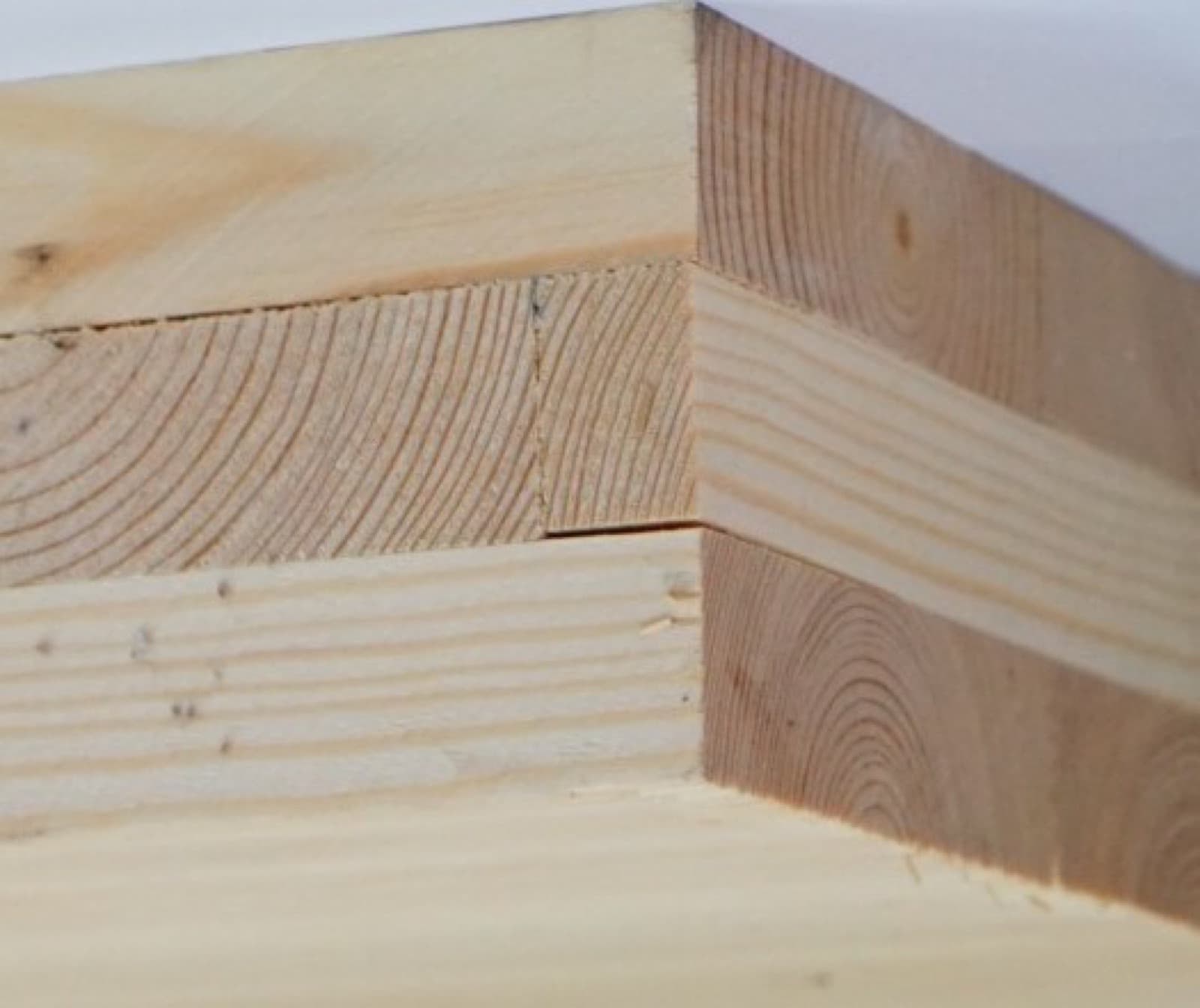
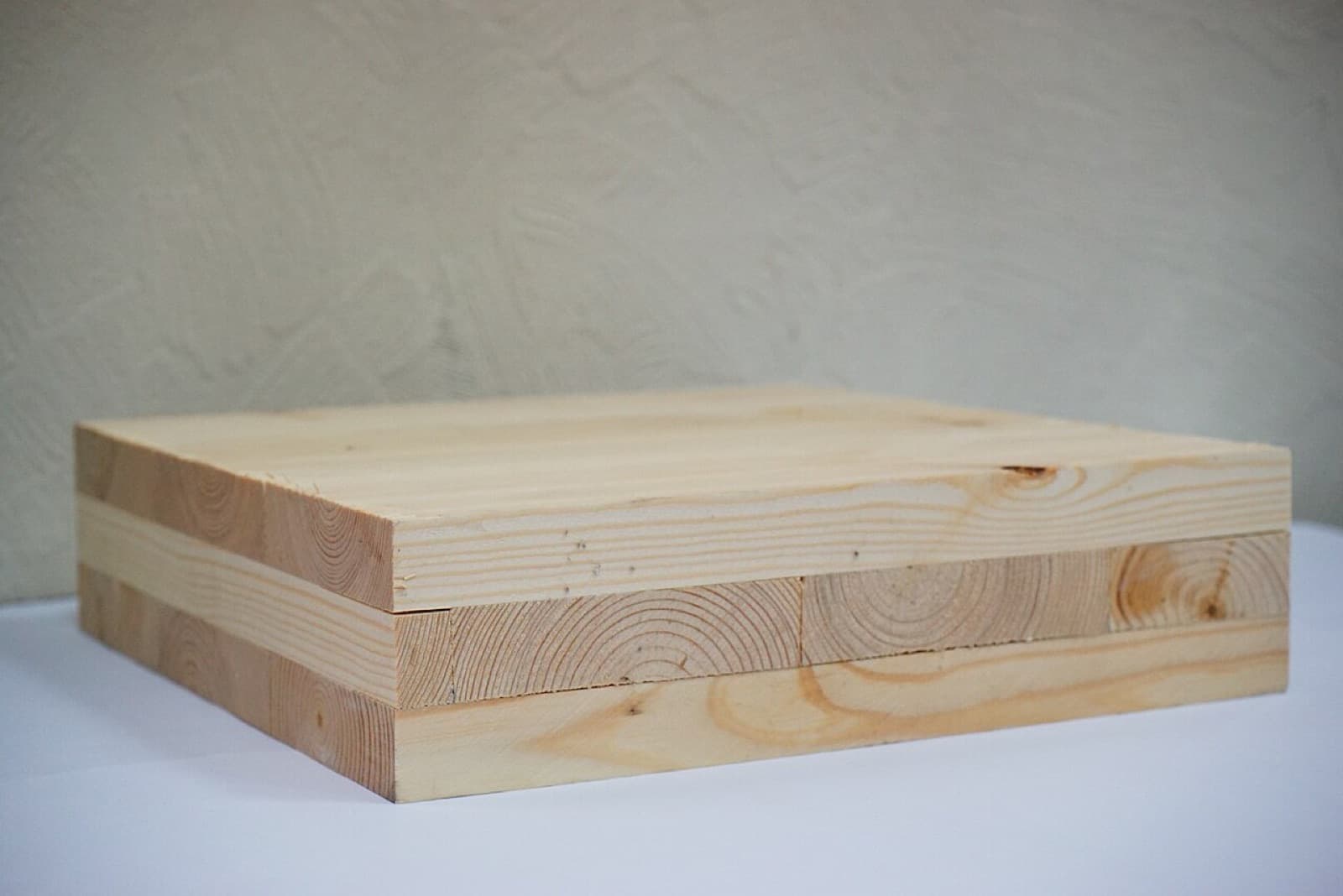
| Prefer timber-based systems | Timber frame panelised and volumetric systems typically have the lowest embodied carbon of all MMC approaches. Cross-laminated timber (CLT) and glulam are proven in offsite systems up to 10+ storeys |
| Specify insulation type | Do not accept 'insulation to achieve U-value X' without specifying the insulation material. Request wood fibre, cellulose, or other low-carbon options where the system allows |
| Ask about factory energy | Request information about the factory's energy sources and waste management. Leading manufacturers are moving to renewable energy and achieving zero waste to landfill |
| Design for disassembly | If future relocation or adaptation is plausible, specify mechanical fixings rather than adhesives and ensure connections allow modules to be separated without destruction |
| Request EPD data | Some MMC manufacturers are producing system-level EPDs covering the complete panel or module. This is the most reliable way to compare the embodied carbon of different systems |
Useful links
- EPD InternationalLargest public EPD registry. Useful for benchmarking before commissioning your own.
- BRE Global EPDsUK-based EPD programme operator widely used for construction products.
- IBUInstitut Bauen und Umwelt - German programme operator widely accepted across Europe.
- FSC chain of custodyRequirements, fees, and the route to finding an accredited certifier.
- BREEAMHow certifications map onto BREEAM credits that specifiers chase on projects.