
Structural Systems · Timber frame systems
Open panel timber frame
Allways Timber Frame Ltd·Clavering
On request
Request quote
How unusual materials can affect a project's finance, and how to find out early
4 min readUpdated November 2026
Save guideLenders, insurers, and warranty providers need confidence that a building will last and hold its value. Materials they rarely see can trigger more questions, a specialist survey, higher premiums, or a refusal. None of that means the material is a bad choice, but it is much easier to deal with before the design is fixed.
Note. This guide is general information, not financial or insurance advice. Criteria differ and change, so get written confirmation from your own lender, insurer, or warranty provider. A specialist mortgage or insurance broker can help.
Lenders commonly treat brick or stone walls under a tile or slate roof as standard. Anything else may be treated as non-standard, although each lender draws the line differently. Modern timber frame with a recognised warranty is widely accepted, while straw bale, cob, and thatch tend to get more scrutiny.
Modern timber frame
CLT and offsite systems
Hempcrete
Straw bale, cob, or earth
Thatch
Natural insulation in a conventional wall
A rough guide only. Individual policies vary.
Self-builders should check before buying land or finalising the design. The lender may want to see the build method and warranty arrangements from the start. Homebuyers should expect a surveyor to report the construction type and possibly ask for a specialist inspection.
A structural warranty covers defined defects for a set period, commonly around 10 years. Warranty providers set technical standards and may inspect during the build. Talk to them before you specify, as they may ask for extra evidence on unfamiliar products.
Third-party technical approval, such as a BBA certificate, can make that conversation easier. It is not a legal requirement for every product, and many good natural products may not have one. Ask the provider what evidence it would accept instead, such as test reports or engineer's calculations.
Tip. Get acceptance in writing and tied to the specific product. If a contractor later substitutes another one, check that the warranty position has not changed.
Standard policies ask about walls and roofs, so answer accurately. Getting these details wrong could affect a claim. For an existing home, tell your insurer before major works start, as ordinary cover may be restricted during a renovation.
| Topic | Detail |
|---|---|
| Self-build or renovation insurance | Check that it covers the structure while it is being built, including materials on site. |
| Combustible materials | Ask whether the insurer has conditions for timber frame during construction. |
| Moisture-sensitive materials | Keep evidence that they were stored and installed correctly. |
| After completion | Pass on the final specification so that the insurer's record matches the building. |
Retrofit can raise similar questions. Some lenders and surveyors have been wary of certain spray foam installations, which shows how a single product can affect a later sale. Keep a clear record of what was installed, where, and by whom, and check for an insurance-backed guarantee where it is offered.
Work carried out under PAS 2035 should come with a handover pack that includes test certificates, warranties, and maintenance instructions. Keep it with the deeds or property file.
A good paper trail helps with insurance claims, warranties, and any future sale.
When you enquire about a product, ask the supplier whether it has been used on warranted or mortgaged projects and what evidence it can share. Keep the replies together so they are easy to find when your lender or insurer asks.
Where the facts in this guide come from. Standards and guidance change, and some sources are suppliers or trade sites, so check the original before relying on a detail.

An agricultural byproduct that insulates and sequesters carbon
An agricultural byproduct that insulates and sequesters carbon
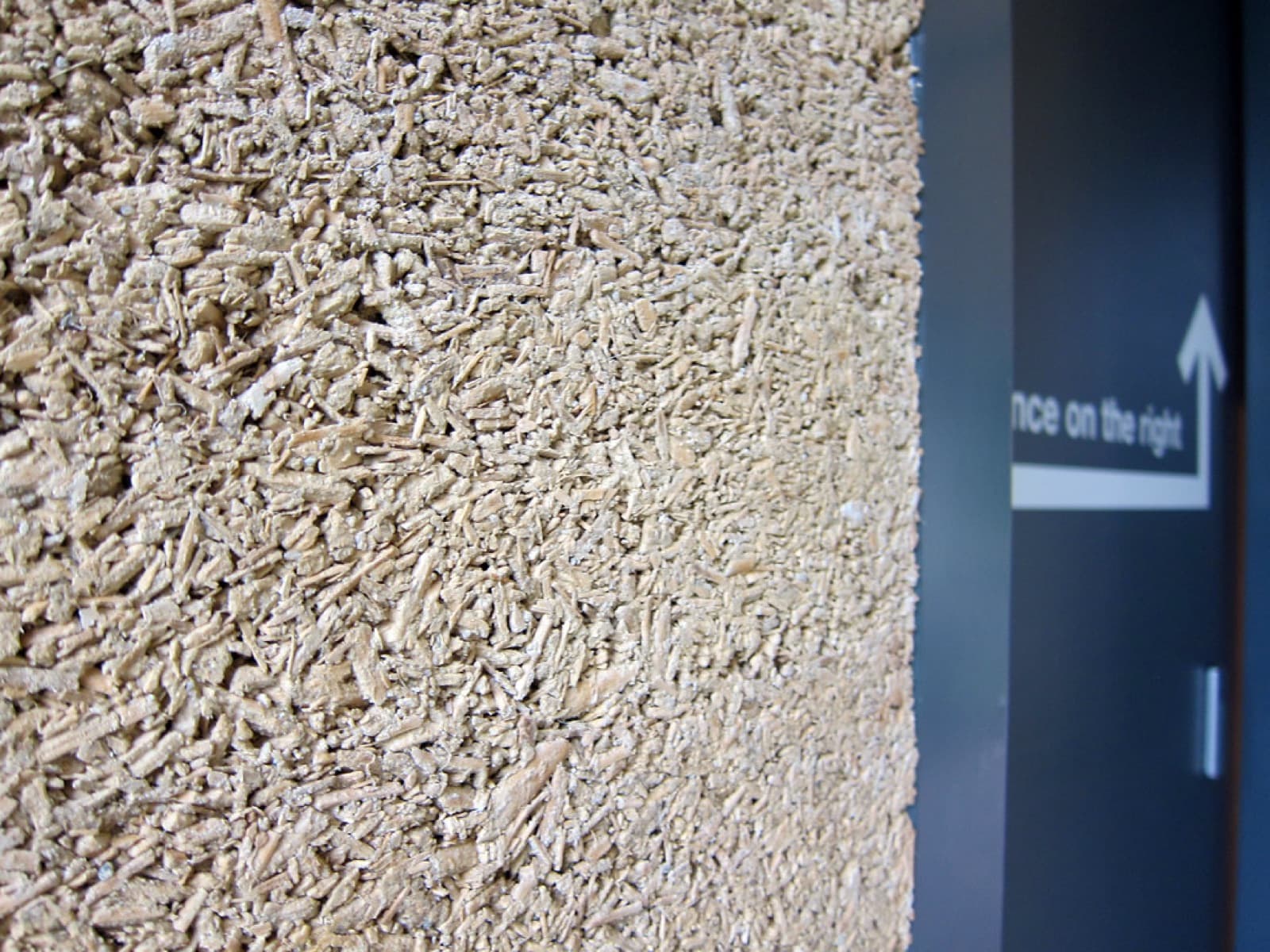
A carbon-storing insulating wall material
A carbon-storing insulating wall material
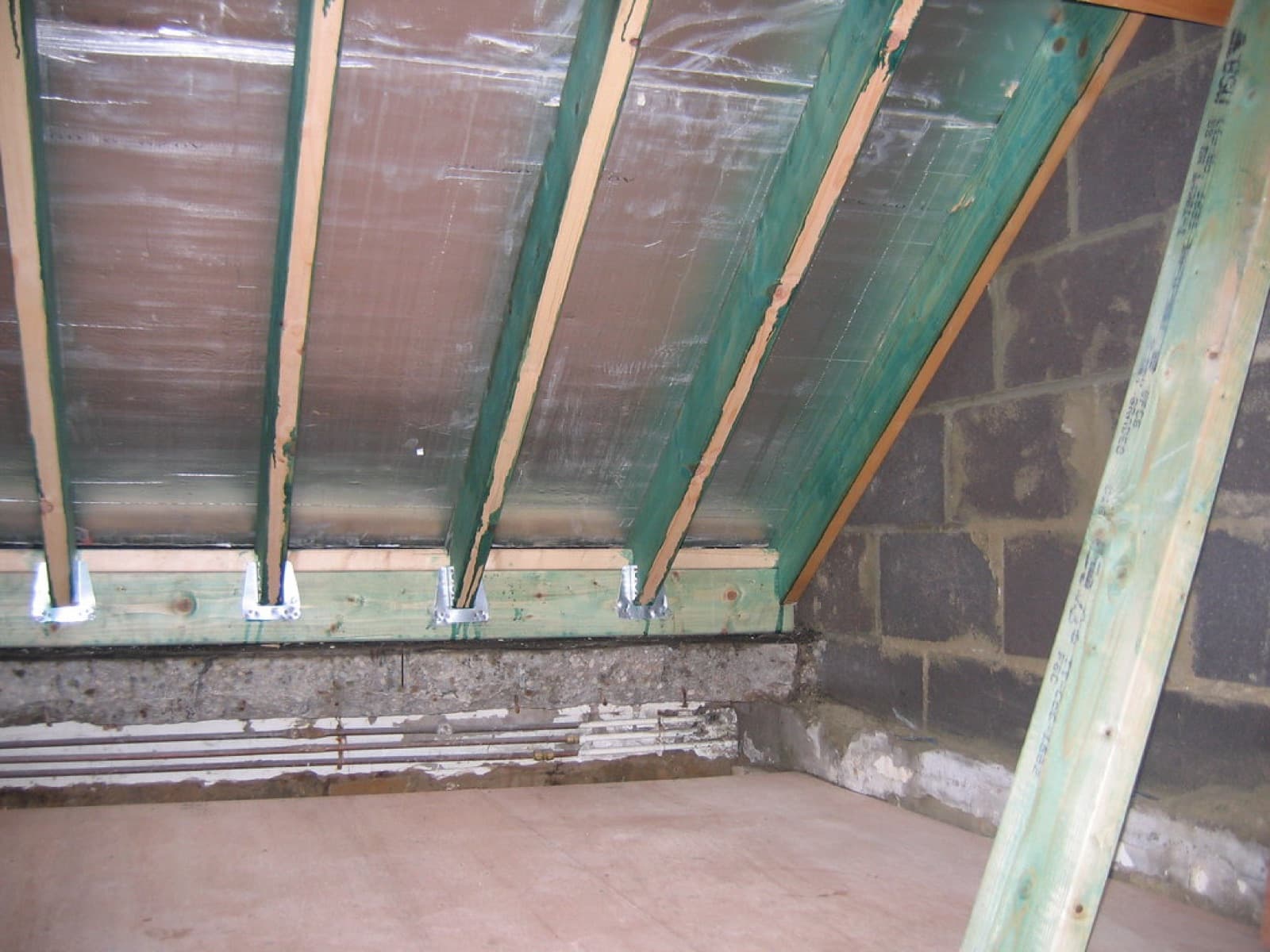
How the UK's whole-home retrofit standard works, and what it means for your materials
How the UK's whole-home retrofit standard works, and what it means for your materials

What BBA Agrément certificates mean and why they matter for innovative materials
What BBA Agrément certificates mean and why they matter for innovative materials