Metals · Steel framing
Architectural steel materials
AG Evans Ltd·Lodge Way, Tring
In Stock
Request quote
EAF steel, recycled content, and structural timber trade-offs
8 min readUpdated April 2026
Save guideSteel is the second most produced material in the world after concrete, and the steel industry accounts for approximately 7-9% of global CO2 emissions. But unlike concrete, steel's carbon story has two very different chapters depending on how it is made.
Blast furnace / basic oxygen furnace (BOF) steel starts from iron ore. Coal is used both as fuel and as a chemical reducing agent to extract iron from ore in a blast furnace, then refined in the basic oxygen furnace. This route produces roughly 1.8-2.5 tonnes of CO2 per tonne of steel. Approximately 70% of global steel is produced this way.
Electric arc furnace (EAF) steel starts from scrap metal. An electric current melts the scrap in an arc furnace, and the resulting steel is refined to specification. This route produces roughly 0.3-0.8 tonnes of CO2 per tonne of steel, depending on the electricity source. The remaining 30% of global steel uses this route, and the share is growing.
This means the embodied carbon of steel can vary by a factor of three to eight times depending on the production route and energy source. Specifying EAF steel, or steel with high recycled content, is one of the most impactful decisions a specifier can make.
EAF (Electric Arc)
BOF (Blast Furnace)
Note. In the UK, most structural sections (I-beams, channels, angles) are produced by British Steel at Scunthorpe using the BOF route. Most reinforcing bar (rebar) is produced from scrap in EAF mills. Knowing this helps you make targeted specifications.
Steel is one of the most recycled materials in the world - over 85% of structural steel is recovered at end of life. But recycled content and recyclability are not the same thing, and the distinction matters for embodied carbon calculations.
Recycled content refers to how much scrap went into making the steel you are buying now. Recyclability refers to the potential for the steel to be recycled in the future. An EPD reports recycled content (current impact); Module D reports recyclability (future potential benefit).
The steel industry is investing heavily in decarbonisation, and several technologies are at varying stages of maturity.
| Topic | Detail |
|---|---|
| Hydrogen direct reduction (H-DRI) | Replaces coal with green hydrogen as the reducing agent. SSAB's HYBRIT project in Sweden has produced fossil-free steel at pilot scale. If scaled with renewable hydrogen, this could reduce BOF-route emissions by 90%+ while still using virgin iron ore. |
| EAF with renewable electricity | The simplest decarbonisation path for scrap-based steel. As electricity grids decarbonise, EAF steel approaches near-zero emissions. Some EAF producers already offer 'green' steel powered by renewable energy certificates. |
| Carbon capture and storage (CCS) | Retrofit technology for existing blast furnaces that captures CO2 before it reaches the atmosphere. Technically feasible but expensive, and does not eliminate emissions entirely. |
| Direct electrolysis | Uses electricity to extract iron from ore directly, without carbon as a reducing agent. Still at laboratory scale but potentially transformative. |
Tip. When suppliers claim 'green steel', ask what that means specifically. Is it EAF with renewable energy? H-DRI? Or simply an offset programme? The carbon reduction varies enormously depending on the actual technology used.
The choice between steel and timber framing is one of the most debated topics in sustainable construction. Both have genuine advantages, and the right answer depends on the specific project.
| Topic | Detail |
|---|---|
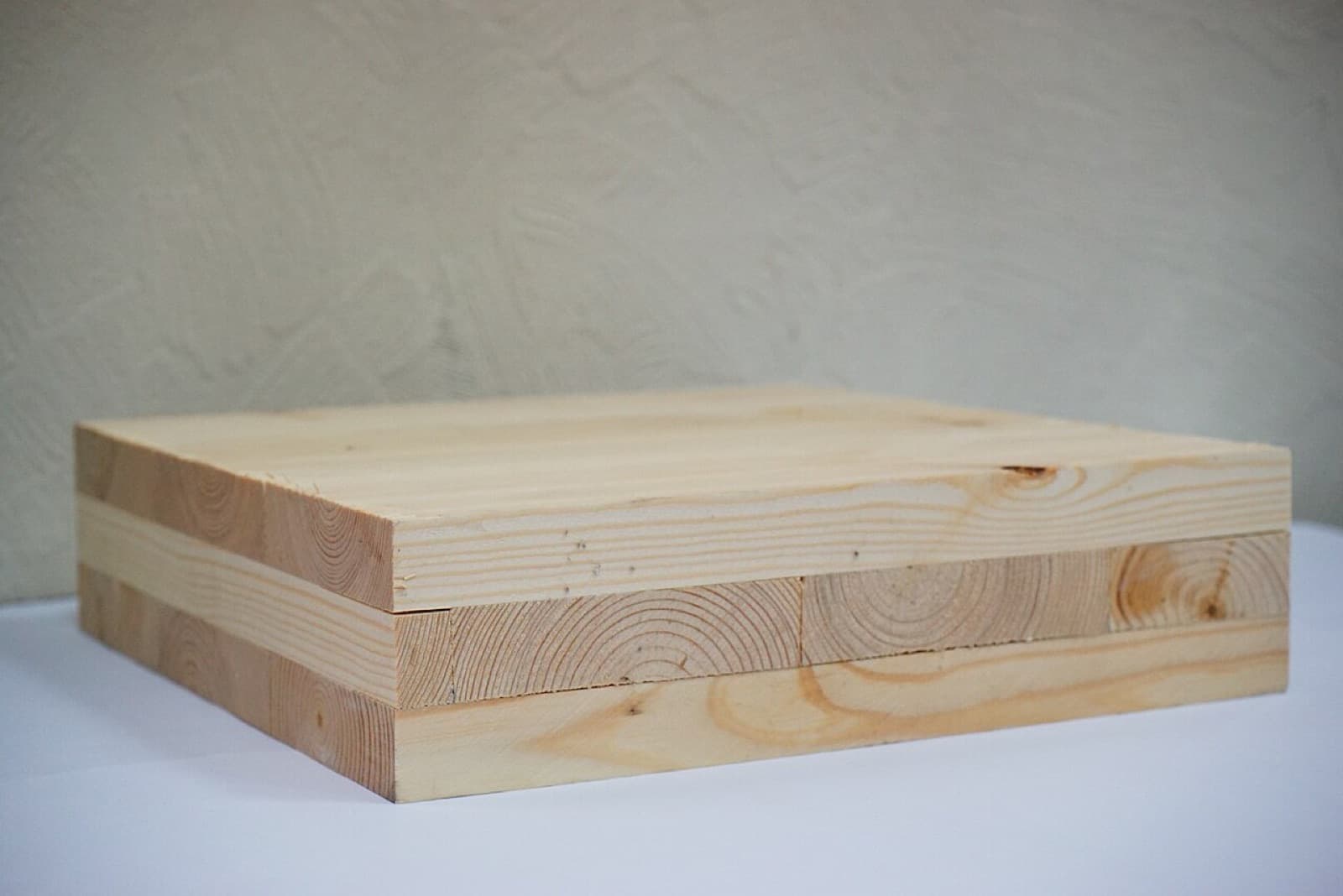
| Embodied carbon | Engineered timber (glulam, CLT) typically has lower cradle-to-gate carbon than BOF steel, and can claim carbon sequestration for the CO2 stored in the wood. However, if EAF steel with high recycled content is specified, the gap narrows significantly. |
| Biogenic carbon | Timber stores carbon that was absorbed during tree growth. This is a genuine benefit, but it is temporary unless the timber is kept out of landfill and combustion indefinitely. EN 15804 requires biogenic carbon to be reported separately from fossil carbon. |
| Span and loading | Steel can achieve longer spans and carry heavier loads than timber in less depth. For buildings requiring large open-plan spaces, steel may require fewer and smaller structural elements, which can offset its higher per-kg carbon. |
| Fire performance | Steel loses strength at elevated temperatures and requires fire protection (intumescent paint or board). Engineered timber chars predictably, maintaining structural capacity behind the char layer. Both can meet fire regulations but through different mechanisms. |
| Speed of construction | Both steel and engineered timber are precision-manufactured off-site for rapid erection. CLT panels can be erected very quickly, but steel connections are well understood and widely available. |
| End of life | Steel is readily recyclable with established infrastructure. Timber can be reused (best), recycled into particleboard (good), or used for energy recovery (last resort). Designing for disassembly matters for both materials. |
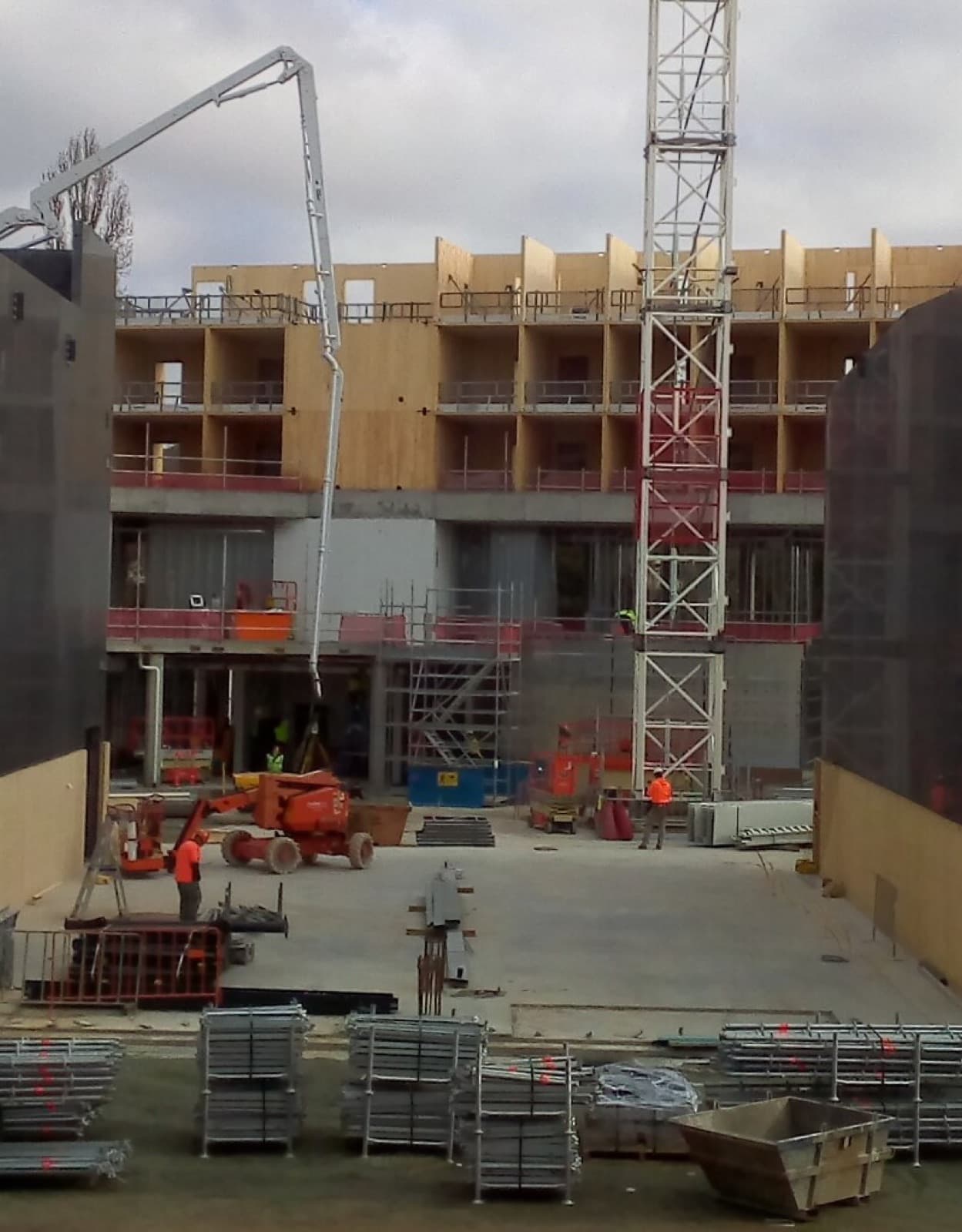
| Hybrid structures | Combining timber upper floors with a steel or concrete ground floor and foundations often gives the best overall carbon outcome while managing practical constraints. |
These practical steps help you reduce the carbon impact of steel in your projects.
Ask for production route
EAF steel has significantly lower carbon. Request confirmation of steelmaking method.
Request product EPDs
Product-specific EPDs from the steel producer, not industry averages.
Specify recycled content
Set a minimum recycled content percentage and request mill certificates.
Consider reused steel
Structural steel from demolition can be retested and reused with very low carbon.
Optimise structural design
Reduce steel tonnage through efficient design. Less material = less carbon.
Tip. The Steel Construction Institute (SCI) and BCSA publish guidance on specifying for reduced embodied carbon. The SCI's 'Target Zero' programme provides worked examples showing carbon-optimised steel frame designs.